
Tag Archives: assessment

Strengths-Based Suicide Prevention on the Blackfeet Reservation
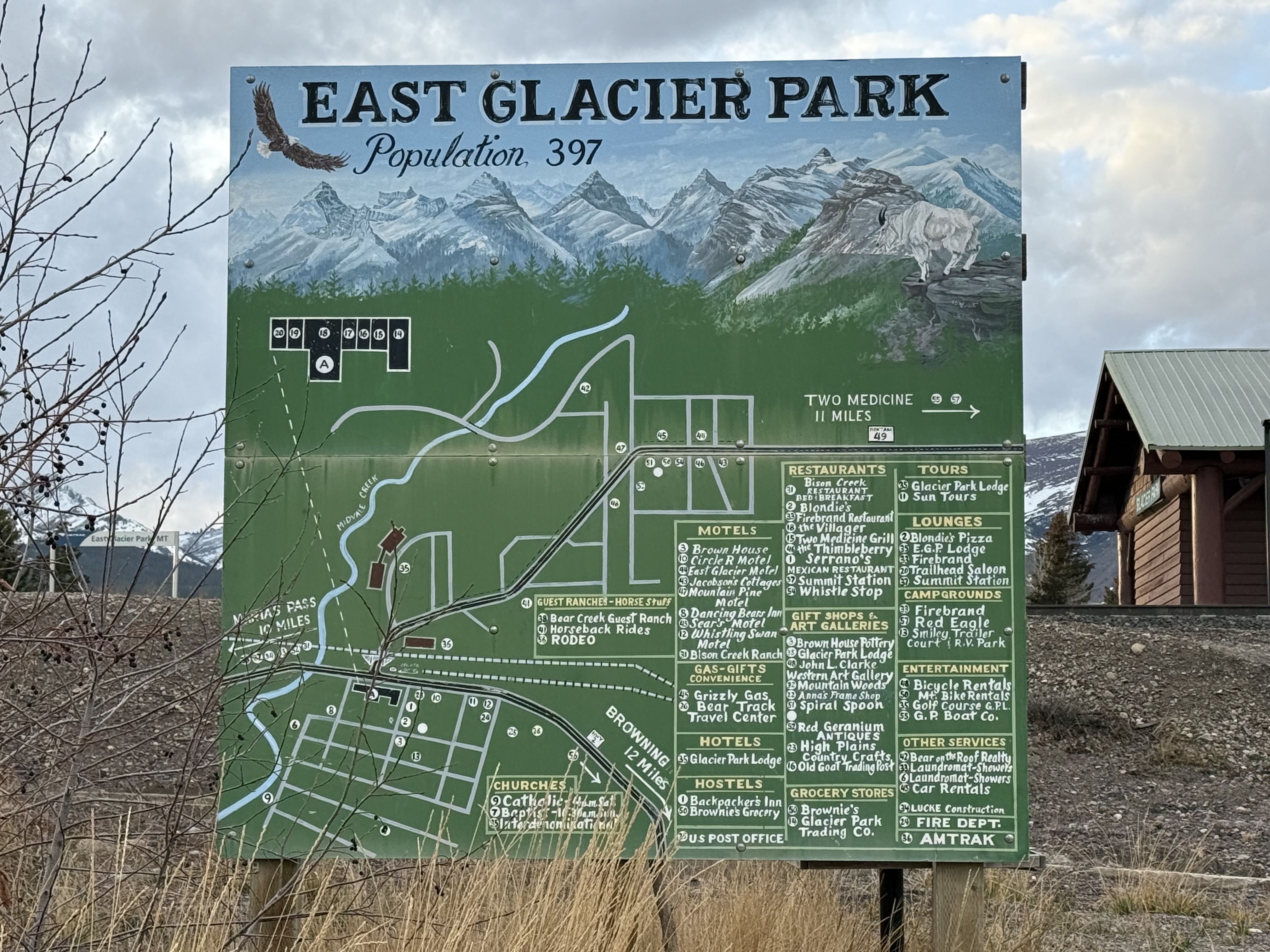
Today, Tammy Tolleson Knee and completed day 1 of a 2-day course on Strengths-Based Suicide Assessment and Interventions in Schools at the Buffalo Hide Academy of Browning Public Schools on the Blackfeet Reservation. We are beyond happy for this opportunity. It’s the first time for Tammy and I to present together (for two days!). As frosting on the presentation cake, Rita is here with us, watching, listening, heckling, and guiding.

In case you haven’t heard, Browning Public Schools and their staff have already started integrating strengths-based suicide prevention work into their programming. Two of our former University of Montana school counseling graduates, Sienna and Charlie Speicher are at the center of this work. Sienna and Charlie have already taught strengths-based courses through Blackfeet Community College, and they founded the Firekeeper Alliance. Here’s the Firekeeper Alliance Mission Statement:

Our mission is to cultivate resources, attention, and awareness to ultimately transform perspectives regarding suicidal distress in Indian Country and to help reduce suicide rates in our communities. We believe that mainstream and current approaches of suicide assessment and intervention struggle to meet the unique needs of Tribal populations. The Firekeeper Alliance promotes a different set of strengths-based, decolonized ideals around suicidal behavior. We believe that systemic and cultural shifts in the clinical community are necessary to truly make a positive change.

The Firekeeper Alliance also focuses on several areas, including offering strengths-based approaches to counseling, as in the following:

  • Offer individual and group counseling sessions utilizing evidence-based therapies which are effective in addressing suicidality.
  • Promote assessment techniques and interventions that elicit protective factors and a resilient spirit.
  • Administer assessment instruments that screen for strengths, character assets, and benevolent experience to depathologize suicidal distress.
  • Advocate for strengths based assessment and intervention approaches to be used in conjunction with cultural healing mechanisms.

Back to our training. . .here are the ppts that Tammy and I developed. There are SO MANY, but then again, we’re covering two whole days!

In closing, I want to give a big shout-out to Browning Public Schools (BPS) for collaborating with us (the Center for the Advancement of Positive Education; aka CAPE) to bring this training to Browning. Not only do we have a dozen or so school counselors in the room, we’ve also got a dozen or so administrative staff, including principals and the BPS superintendent. We had a blast today and are looking forward to more meaningful fun tomorrow!

John SF

Five Stages of a Clinical Interview – Updated – with Video
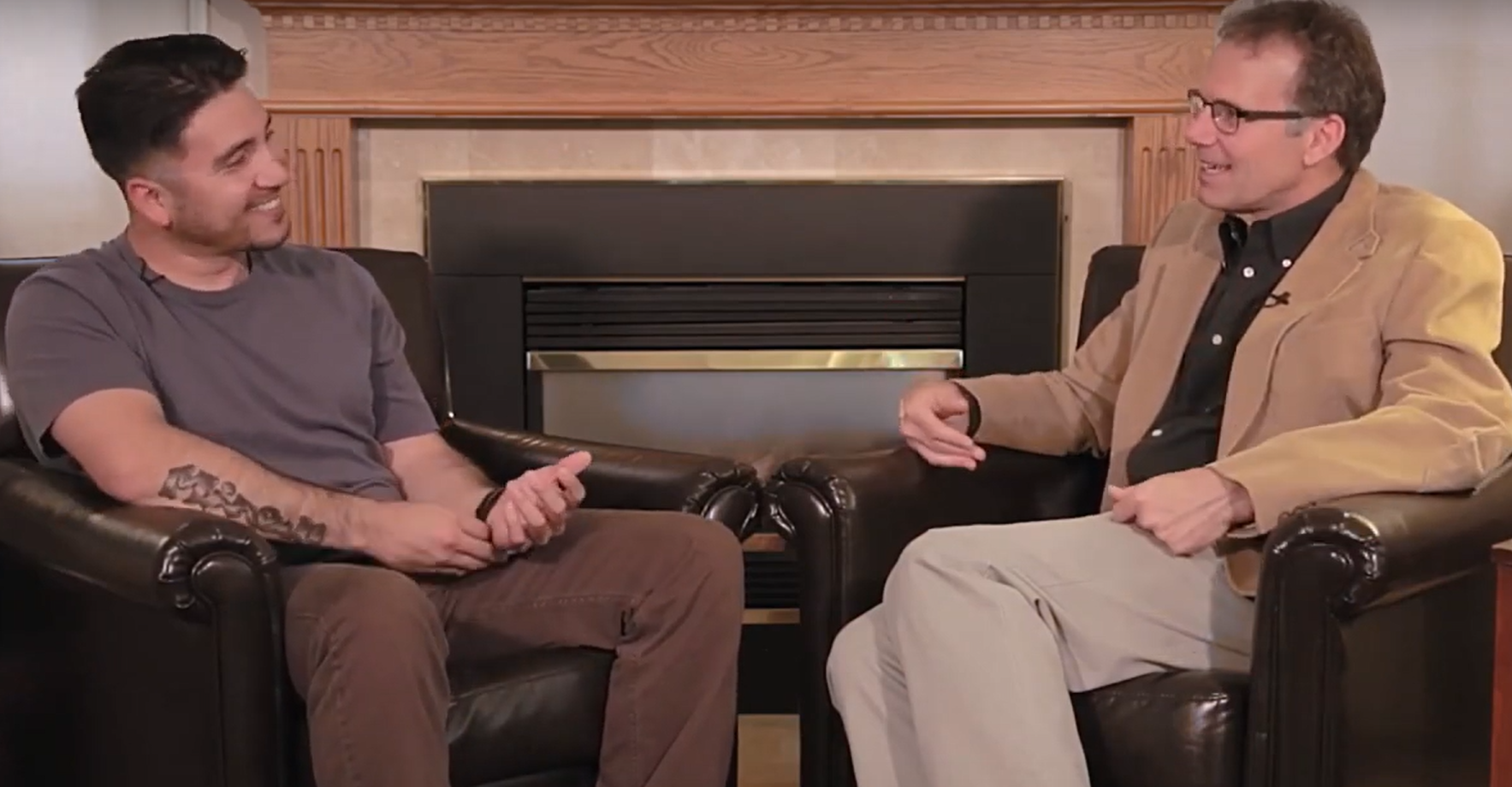
 

The following is an excerpt from a chapter I wrote with my colleagues Roni Johnson and Maegan Rides At The Door. The full chapter is in the Cambridge Handbook of Clinical Assessment and Diagnosis . . .

*********************************

The clinical interview is a fundamental assessment and intervention procedure that mental and behavioral health professionals learn and apply throughout their careers. Psychotherapists across all theoretical orientations, professional disciplines, and treatment settings employ different interviewing skills, including, but not limited to, nondirective listening, questioning, confrontation, interpretation, immediacy, and psychoeducation. As a process, the clinical interview functions as an assessment (e.g., neuropsychological or forensic examinations) or signals the initiation of counseling or psychotherapy. Either way, clinical interviewing involves formal or informal assessment. [For a short video on how to address client problems and goals in the clinical interview, see below]

Clinical interviewing is dynamic and flexible; every interview is a unique interpersonal interaction, with interviewers integrating cultural awareness, knowledge, and skills, as needed. It is difficult to imagine how clinicians could begin treatment without an initial clinical interview. In fact, clinicians who do not have competence in using clinical interviewing as a means to initiate and inform treatment would likely be considered unethical (Welfel, 2016).

Clinical interviewing has been defined as

a complex and multidimensional interpersonal process that occurs between a professional service provider and client [or patient]. The primary goals are (1) assessment and (2) helping. To achieve these goals, individual clinicians may emphasize structured diagnostic questioning, spontaneous and collaborative talking and listening, or both. Clinicians use information obtained in an initial clinical interview to develop a [therapeutic relationship], case formulation, and treatment plan” (Sommers-Flanagan & Sommers-Flanagan, 2017, p. 6)

A Generic Clinical Interviewing Model

All clinical interviews follow a common process or outline. Shea (1998) offered a generic or atheoretical model, including five stages: (1) introduction, (2) opening, (3) body, (4) closing, and (5) termination. Each stage includes specific relational and technical tasks.

Introduction

The introduction stage begins at first contact. An introduction can occur via telephone, online, or when prospective clients read information about their therapist (e.g., online descriptions, informed consents, etc.). Client expectations, role induction, first impressions, and initial rapport-building are central issues and activities.

First impressions, whether developed through informed consent paperwork or initial greetings, can exert powerful influences on interview process and clinical outcomes. Mental health professionals who engage clients in ways that are respectful and culturally sensitive are likely to facilitate trust and collaboration, consequently resulting in more reliable and valid assessment data (Ganzini et al., 2013). Technical strategies include authentic opening statements that invite collaboration. For example, the clinician might say something like, “I’m looking forward to getting to know you better” and “I hope you’ll feel comfortable asking me whatever questions you like as we talk together today.” Using friendliness and small talk can be especially important to connecting with diverse clients (Hays, 2016; Sue & Sue, 2016). The introduction stage also includes discussions of (1) confidentiality, (2) therapist theoretical orientation, and (3) role induction (e.g., “Today I’ll be doing a diagnostic interview with you. That means I’ll be asking lots of questions. My goal is to better understand what’s been troubling you.”). The introduction ends when clinicians shift from paperwork and small talk to a focused inquiry into the client’s problems or goals.

Opening

The opening provides an initial focus. Most mental health practitioners begin clinical assessments by asking something like, “What concerns bring you to counseling today?” This question guides clients toward describing their presenting problem (i.e., psychiatrists refer to this as the “chief complaint”). Clinicians should be aware that opening with questions that are more social (e.g., “How are you today?” or “How was your week?”) prompt clients in ways that can unintentionally facilitate a less focused and more rambling opening stage. Similarly, beginning with direct questioning before establishing rapport and trust can elicit defensiveness and dissembling (Shea, 1998).

Many contemporary therapists prefer opening statements or questions with positive wording. For example, rather than asking about problems, therapists might ask, “What are your goals for our meeting today?” For clients with a diverse or minority identity, cultural adaptations may be needed to increase client comfort and make certain that opening questions are culturally appropriate and relevant. When focusing on diagnostic assessment and using a structured or semi-structured interview protocol, the formal opening statement may be scripted or geared toward obtaining an overview of potential psychiatric symptoms (e.g., “Does anyone in your family have a history of mental health problems?”; Tolin et al., 2018, p. 3).

Body

The interview purpose governs what happens during the body stage. If the purpose is to collect information pertaining to psychiatric diagnosis, the body includes diagnostic-focused questions. In contrast, if the purpose is to initiate psychotherapy, the focus could quickly turn toward the history of the problem and what specific behaviors, people, and experiences (including previous therapy) clients have found more or less helpful.

When the interview purpose is assessment, the body stage focuses on information gathering. Clinicians actively question clients about distressing symptoms, including their frequency, duration, intensity, and quality. During structured interviews, specific question protocols are followed. These protocols are designed to help clinicians stay focused and systematically collect reliable and valid assessment data.

Closing

As the interview progresses, it is the clinician’s responsibility to organize and close the session in ways that assure there is adequate time to accomplish the primary interview goals. Tasks and activities linked to the closing include (1) providing support and reassurance for clients, (2) returning to role induction and client expectations, (3) summarizing crucial themes and issues, (4) providing an early case formulation or mental disorder diagnosis, (5) instilling hope, and, as needed, (6) focusing on future homework, future sessions, and scheduling (Sommers-Flanagan & Sommers-Flanagan, 2017).

Termination

Termination involves ending the session and parting ways. The termination stage requires excellent time management skills; it also requires intentional sensitivity and responsiveness to how clients might react to endings in general or leaving the therapy office in particular. Dealing with termination can be challenging. Often, at the end of an initial session, clinicians will not have enough information to establish a diagnosis. When diagnostic uncertainty exists, clinicians may need to continue gathering information about client symptoms during a second or third session. Including collateral informants to triangulate diagnostic information may be useful or necessary.

See the 7th edition of Clinical Interviewing for MUCH more on this topic:

https://www.wiley.com/en-sg/Clinical+Interviewing%2C+7th+Edition-p-9781119981985

Tomorrow Morning in Ronan, MT: A Presentation and Conversation about Strengths-Based Suicide Assessment and Treatment
Tomorrow morning, three counseling interns and I will hit the road for Ronan, where we’ll spend the day with the staff of CSKT Tribal Health. We are honored and humbled to engage in a conversation about how to make the usual medical model approach to suicide be more culturally sensitive and explicitly collaborative.

Here are the ppts for the day:

Strengths-Based Suicide Assessment with Diverse Populations — The PPTs

Tomorrow morning (Wednesday, October 2) I have the honor and privilege of being the keynote speaker for Maryland’s 36th Annual Suicide Prevention Conference. So far, everyone I’ve met associated with this conference is amazing. I suspect tomorrow will be filled with excellent presentations and fabulous people who are in the business of mental health and saving lives.

I hope I can do justice to my role in this very cool conference.

Here’s a link to tomorrow’s ppts:

Happiness and Suicide at the Mental Health Academy Summit
Good Morning or Good Afternoon (wherever you may be),

In 28 minutes I’ll be online presenting for the Mental Health Academy Suicide Prevention Summit. A big thanks to Pedro and Greg for their organizing and broadcasting of this worldwide event. I’m honored to be a part of it.

It’s still not too late to register. The link is here: https://www.mentalhealthacademy.net/suicideprevention. It’s all free . . . or you can pay a whopping $10 and have access to all the recordings. TBH, I’m not sure if I’d pay $10 to hear me (jokes), but tomorrow morning features Craig Bryan, and I’ll be an early-riser to catch him live (and free). There are also some other FABULOUS presenters.

Here are my ppts . . . just so you all have them.

Traditional and Strengths-Based Suicide Assessment: The Workshop Handout

Tomorrow evening I’ll be doing an online, 3-hour workshop titled, “Blending Traditional and Strengths-Based Approaches to Suicide Assessment.”

You can still sign up (until noon Mountain time tomorrow) here: https://secure.qgiv.com/for/socialworktrainingseries/event/suicideassesment/

And, if you’re taking the workshop, or you’re just curious and want to see the ppts, click here:

Checklists from the Forthcoming 7th Edition of Clinical Interviewing
Textbook writing is a particular kind of writing that requires a variety of ways to present relatively boring material to students and aspiring professionals. Although we pride ourselves on writing the most entertaining textbooks in the business, our efforts to entertain are all part of a reader-friendly delivery system.

Another (less humorous) reader-friendly delivery strategy is the checklist. We intermittently use checklists to summarize essential information in our Clinical Interviewing text. Below, I’m including links to three checklists. Please note, these checklists are in process, and so if you see any typos or missing information or have some excellent feedback to share with me . . . post your feedback here on this blog or email me: john.sf@mso.umt.edu. I will greatly appreciate your feedback!

From Chapter 10: A Checklist on Suicide Assessment Documentation:

From Chapter 12: A Checklist on Strategies and Techniques for Working with Client Ambivalence or Natural Client Resistance.

From Chapter 13: A Checklist on Getting Prepped for Your First Session with a Child or Adolescent Client

For those of you who are still reading (and I hope that’s everyone), I’m still looking for someone who can write me a short (400 word) case or two on working with LGBTQ+ youth. A transgender case would be especially nice. If you’re interested, send me an email: john.sf@mso.umt.edu

Welcome to Enterprise, Oregon

I’m in Enterprise, Oregon today and tomorrow morning. I got here Sunday evening after a winding ride through forests and mountains. Yes, I’m in Eastern Oregon. Even I, having attended Mount Hood Community College and Oregon State University, had no idea there were forests and mountains in Enterprise.

The scenes are seriously amazing, but the people at the Wallowa Valley Center for Wellness-where I’m doing a series of presentations on suicide assessment and prevention-are no less amazing. I’ve been VERY pleasantly surprised at the quality, competence, and kindness of the staff and community.

Just in case you’re interested, below I’m posting ppts for my three different presentations. They overlap, but are somewhat distinct.

Here’s the one-hour intro:

Here’s the two-hour session for clinicians and staff:

Here’s the upcoming 90 minute session for the community:

And here’s a view!

Early Birds and Two Upcoming Strengths-Based Suicide Trainings

On September 24, I’m doing a full-day online-only Strengths-Based Suicide Assessment and Treatment Planning workshop. The workshop is on behalf of the Association for Humanistic Counselors . . . a cool professional organization if there ever was one.

I’m posting today because today is the last day for the “Early bird rates” for this AHC workshop. Just in case you want to be an early bird, this link will give you that chance . . . at least for a few more hours: https://events.r20.constantcontact.com/register/eventReg?oeidk=a07eibjc7x5afb40bd4&oseq=&c=&ch=&fbclid=IwAR2mwGRA6UgOtrTXBdWlS8ZlQAArlPlQR3LGOZigxdIeyodKcIBtY1yovXs

Just in case you want two-days of Strengths-Based Suicide Training or you want to come to the U of Montana or you need some college credit, we’ve got a full two-day version of the workshop happening in Missoula on November 19 and 20. In addition, if you’re wanting a continuing education smörgåsbord, this link also includes two day trainings with the fabulous Dr. Kirsten Murray (Strong Couples) and the amazing Dr. Bryan Cochran (LGBTQI+ Clients). Here’s that link: https://www.familiesfirstmt.org/umworkshops.html

There’s more happening too . . . but for now, this is probably enough for one post.

Have a fantastic week, and don’t be afraid to be the early bird.

Taking a Strengths-Based Approach to Suicide Assessment and Treatment

Below, I’ve excerpted our whole article from this month’s Counseling Today. You also can read it (along with other cool stuff) from the magazine itself, here: https://ct.counseling.org/2021/07/taking-a-strengths-based-approach-to-suicide-assessment-and-treatment/

By embracing a holistic, strengths-based and wellness orientation in their work with clients who may be suicidal, counselors can improve on traditional approaches to suicide assessment and treatment

By John and Rita Sommers-Flanagan

When the word “suicide” comes up during counseling sessions, it usually triggers clinician anxiety. You might begin having thoughts such as, “What should I ask next? How can I best evaluate my client’s suicide risk? Should I do a formal suicide assessment, or should I be less direct?” In addition, you might worry about possible hospitalization and how to make the session therapeutic while also assessing risk.

Suicide-related scenarios are stressful and emotionally activating for all mental health, school and health care professionals. Counselors are no exception. But counselors bring a different orientation into the room. As a discipline, counseling is less steeped in the medical model, more oriented toward wellness, and more relational throughout the assessment and intervention processes. In this article, we explore how professional counselors can meet practice standards for suicide assessment and treatment while also embracing a holistic, strengths-based and wellness orientation.

Moving beyond traditional views of suicide

Suicide and suicidality have long been linked to negative judgments. Sometimes suicide — or even thinking about suicide — has been characterized as sinful or immoral. In many societies, suicide was historically deigned illegal, and it remains so in some countries today. In the past, suicidality was nearly always pathologized, and that largely remains the case now. Defining suicide and suicidal thoughts as immoral, illegal or as an illness is an alienating and judgmental social construction that makes people less likely to openly discuss these thoughts and feelings. Most people experiencing suicidality already feel bad about themselves;socially sanctioned negative judgments can cause further harm.

Our position is that suicide is neither a moral failure nor evidence of so-called mental illness. Instead, consistent with a strengths-based perspective, we believe that suicidal ideation is a normal variation on human experience. Suicidal ideation usually stems from difficult environmental circumstances, social disconnection or excruciating emotional pain. Improving life circumstances, enhancing social connection and reducing emotional pain are usually the best means for reducing the frequency and intensity of suicidal thoughts and feelings.

Practitioners trained in the medical model tend to diagnose people who are suicidal with some variant of depressive disorder and provide treatments that target suicidality. Sometimes treatments are applied without patient consent. Health care providers are usually considered authority figures who know what’s best for their patients.

In contrast to the medical model, a strengths-based perspective includes several empowering assumptions:

• When painful psychological distress escalates, strengths-based counselors view the emergence of suicidal ideation as a normal and natural human response. Suicidal ideation is a reaction to life circumstances and may represent a method for coping with relentless psychological pain.

• Because suicidal ideation is viewed as a normal response to psychological pain, client disclosures of suicidality are framed as expressions of distress, rather than evidence of illness. Consequently, if clients disclose suicidality, counselors don’t react with fear and judgment, but instead welcome suicide-related disclosures. Strengths-based counselors recognize that when clients openly share suicidal thoughts, they are showing trust, thus creating opportunities for interpersonal and emotional connection.

• Many people who are suicidal want to preserve their right to die by suicide. If they feel judged by health care or school professionals and coerced to receive treatment, they may shut down and resist. Instead of insisting that clients and students “need treatment,” strengths-based counselors recognize that clients are the best experts on their own lived experiences. Strengths-based counselors provide empathic, collaborative assessment and treatment when clients and students who are suicidal.

• Instead of relying on mental health diagnoses or asking symptom-based questions from a standard form such as the Patient Health Questionnaire-9, strengths-based counselors weave in assessment questions and observations pertaining to client strengths, hope and coping resources. Using principles of solution-focused counseling and positive psychology, strengths-based counselors balance symptom questions with wellness-oriented content.

We believe these preceding assumptions can be woven into counseling in ways that improve traditional suicide assessment and treatment approaches. In fact, over the past two decades, evidence-based treatments for suicide, such as collaborative assessment and management of suicide, have increasingly emphasized empathy, normalization of suicidality and counselor-client collaboration. An objectivist philosophy and medical attitude is no longer required to work with clients or students who are suicidal. Newer approaches, including the strengths-based approach discussed here, flow from postmodern, social constructionist philosophy in which conversation and collaboration are fundamental to decreasing distress and increasing hope.

A holistic approach

When clients disclose suicidal ideation, it’s not unusual for counselors to overfocus on assessment. In reaction to suicidality, counselors may begin asking too many closed questions about the presence or absence of suicide risk and protective factors. This shift away from an empathic focus on what’s hurting and toward analytic assessment protocols is unwarranted for two primary reasons. First, based on a meta-analysis of 50 years of risk and protective factors studies, a research group from Vanderbilt, Harvard and Columbia universities concluded that no factors provide much statistical advantage over chance suicide predictions. In other words, even if mental health or school professionals conduct an extensive assessment of client risk and protective factors, that assessment is unlikely to offer clinical or predictive value. Second, focusing too much on suicide risk assessment usually detracts from important relationship-building interactions that are necessary for positive counseling outcomes.

Instead of overemphasizing risk factor assessment, counselors should identify client distress and respond empathically. Recognizing and responding supportively to emotional pain and distress will help individualize your understanding of the client’s unique risk and protective factors. From a practical perspective, rather than using a generic risk factor checklist, counselors are better off directly asking clients questions such as, “What’s happening that makes you feel suicidal?” and “What one thing, if it changed, would take away your suicidal feelings?”

Additionally, as strengths-based practitioners, we should be scanning for, identifying and providing clients feedback on their unique positive qualities. Statements such as “Thank you so much for being brave enough to tell me about your suicidal thoughts” communicate acceptance and a reflection of client strengths. Although counselors may work in settings that use traditional suicide risk assessment protocols, they can still complement that procedure with a more holistic, positive and interpersonally supportive assessment and treatment planning process.

To help counselors tend to the whole person — instead of overfocusing on suicidality — we recommend using a dimensional assessment and treatment model. Our particular dimensional model tracks and organizes client distress into seven categories. Here, we describe each dimension, offer examples of how distress manifests differently within each dimension, and identify evidence-based or theoretically robust interventions that address dimension-specific distress.

The emotional dimension: Clients who are suicidal often experience agonizing levels of sadness, anxiety, guilt, shame, anger and other painful emotions. Other times, clients feel numb or emotionally drained. Focusing on and showing empathy for core emotional distress or numbness is foundational to working with these clients. Clients also may experience emotional dysregulation. Interventions to address emotional issues in counseling include traditional cognitive behavioral therapies for depression and anxiety, existential exploration of the meaning of emotions, and dialectical behavior therapy to aid clients in emotional regulation skill development.

The cognitive dimension: Humans often react to emotional pain with maladaptive cognitions that further increase their distress. Hopelessness, problem-solving impairments and core negative beliefs are linked to suicide. Depending upon each client’s unique cognitive symptoms and distress, strengths-based counselors will begin by responding with empathy and then, if needed, work with hopelessness in the here and now as it emerges in session. Counselors also may initiate problem-solving strategies, emphasize solution-focused exceptions and teach clients how to notice, track and modify maladaptive thoughts.

The interpersonal dimension: Substantial research points to social and interpersonal difficulties as factors that drive people toward suicide. Common interpersonal themes that trigger suicidal distress include social disconnection, interpersonal grief and loss, social skills deficits, and repetitive dysfunctional relationship patterns. Interventions in the interpersonal dimension include couple or family counseling, grief counseling, social skills training, and other strategies for enhancing social and romantic relationships.

The physical dimension: Physical symptoms trigger and exacerbate suicidal states. Common physical symptoms linked to suicide include agitation/arousal, physical illness, physical symptoms related to trauma, and insomnia. Using a strengths-based model, counselors can collaboratively develop treatment plans that directly address physical symptoms. Specific interventions include physical exercise, evidence-based trauma treatments, and cognitive behavior therapy for insomnia.

The cultural-spiritual dimension: Cultural practices and beliefs alleviate or contribute to client distress and suicidality. Religion, spirituality and a sense of purpose or meaning (or a lack thereof) powerfully mediate suicidality. Specific cultural-spiritual themes that trigger distress include disconnection from a community, higher power or faith system. A sense of meaninglessness or acculturative distress may also be present. Strengths-oriented counselors explore the cultural-spiritual and existential issues present in clients’ lives and develop individualized approaches to addressing these deeply personal sources of distress and potential sources of support or relief.

The behavioral dimension: Clients and students sometimes engage in specific behaviors that increase suicide risk. These may include alcohol/drug use, impulsivity and repeated self-injury. Having easy access to guns or other lethal means is another factor that increases risk. Helping clients recognize destructive behavior patterns, develop alternative coping behaviors and decrease their access to lethal means can be central to a holistic treatment plan. Additionally, collaborative safety planning is an evidence-based suicide intervention that focuses on positive coping behaviors.

Contextual dimension: Many larger contextual, environmental or situational factors contribute to distress in the other six dimensions and thus heighten suicidality. These factors include poverty, neighborhood or relationship safety, racism, sexual harassment and unemployment. Helping clients recognize and change contextual life factors — if they have control over those factors — can be very empowering. Clients also need support coping with uncontrollable stressors. Developing an action plan and discerning when to use mindful acceptance may be an important part of the counseling process. Advocacy can be particularly useful for supporting clients as they face systemic barriers and oppression.

Suicide competencies

Regardless of theoretical orientation or professional discipline, mental health and school professionals must meet or exceed foundational competency standards. In this article, we recommend integrating strengths-based principles, holistic assessment and treatment planning, and wellness activities into your work with individuals who are suicidal. Our recommendation isn’t intended to completely replace traditional suicide-related practices, but rather to add strengths-based skills and holistic case formulation to your counseling repertoire.

When adding a strengths-based perspective into your counseling repertoire, it is critical to remain cognizant of the usual and customary professional standards for working with suicide. The American Counseling Association’s current ethics code doesn’t provide specific guidance for suicide assessment and treatment. However, suicide-related competencies are available in the professional literature. For example, Robert Cramer of the University of North Carolina Charlotte distilled 10 essential suicide competencies from several different health care and mental health publications, including guidelines from the American Association of Suicidology.

Cramer’s 10 suicide competencies are listed below, along with short statements describing how strengths-based counselors can address each competency.

1) Be aware of and manage your attitude and reactions to suicide. Strengths-based counselors strive for individual, cultural, interpersonal and spiritual self-awareness. Self-care also helps counselors stay balanced in their emotional responses to clients who are suicidal.

2) Develop and maintain a collaborative, empathic stance with clients. Strengths-based counselors are relational, collaborative and empathic, while also consistently orienting toward clients’ strengths and resources. 

3) Know and elicit evidence-based risk and protective factors. Strengths-based counselors understand how to individualize risk and protective factors to fit each client’s unique risk and protective dynamics.

4) Focus on the current plan and intent of suicidal ideation. Strengths-based counselors not only explore client plans and intentions but also actively engage in conversations about alternatives to suicide plans and ask clients about individual factors that reduce intent.

5) Determine the level of risk. Strengths-based counselors engage clients to obtain information about self-perceived risk and collaborate with clients to better understand factors that increase or decrease individual risk.

6) Develop and enact a collaborative evidence-based treatment plan. Strengths-based counselors engage clients in establishing an individualized safety plan that includes positive coping behaviors and collaboratively develop holistic treatment plans that address emotional, cognitive, interpersonal, cultural-spiritual, physical, behavioral and contextual life dimensions.

7) Notify and involve other people. Strengths-based counselors recognize the core importance of interpersonal connection to suicide prevention and involve significant others for safety and treatment purposes.

8) Document risk assessment, the treatment plan and the rationale for clinical decisions. Strengths-based counselors follow accepted practices for documenting their assessment, treatment and decision-making protocols.

9) Know the law concerning suicide. Strengths-based counselors are aware of local and national ethical and legal considerations when working with clients who are suicidal.

10) Engage in debriefing and self-care. Strengths-based counselors regularly consult with colleagues and supervisors and engage in suicide postvention as needed.

The strengths-based approach in action

Liam was a 20-year-old cisgender, heterosexual male with a biracial (white and Latino) cultural identity. At the time of the referral, Liam had just started a vocational training program in the diesel mechanics trade through a local community college. He was referred to counseling by his trade instructor. About a week previously, Liam had experienced a relationship breakup. Subsequently, he punched a wall while in class (breaking one of his fingers), talked about killing himself, threatened his former girlfriend’s new boyfriend, and impulsively walked off the job at his internship placement.

Liam started his first session by bragging about punching the wall. He stated, “I don’t need counseling. I know how to take care of myself.”

Rather than countering Liam’s opening comments, the counselor maintained a positive and accepting stance, saying, “You might be right. Counseling isn’t for everyone. You look like you’re quite good at taking care of yourself.”

Liam shrugged and asked, “What am I supposed to talk about in here anyway?”

Many clients who are feeling suicidal immediately begin talking about their distress. Others, like Liam, deny suicidality. When clients lead with distress, the counselor’s first task is to empathically explore the distress and highlight unique factors in the client’s life that trigger suicidal thoughts and impulses. In contrast, with Liam, the counselor mirrored Liam’s opening attitude, accepted Liam’s explanation and explicitly focused on Liam’s strengths: his employment goals, his initiative to start vocational training immediately after graduating high school, his ability to care deeply for others (such as his ex-girlfriend), and his pride at being physically fit.

After about 15 minutes, the conversation shifted to how Liam made decisions in his life. Instead of questioning Liam’s judgment, the counselor continued a positive focus, saying, “As I think about your situation, in some ways, hitting the wall was a good idea. It’s definitely better than hitting a person.” The counselor then added, “I don’t blame you for being pissed off about breaking up. Nobody likes a breakup.”

The counselor asked Liam to tell the story of his relationship and the events leading to the breakup. Liam was able to talk about his sense of betrayal and loneliness and his underlying worries that he’d never accomplish anything in life. He admitted to occasional thoughts of “doing something stupid, like offing myself.” He agreed to continue with counseling, mostly because it would look good to his vocational training instructor. Before the session ended, the counselor explained that counselors always need to do a thing called “a safety plan.” During safety planning, Liam admitted to owning two firearms, and even though he “didn’t need to,” he agreed to store his guns at his mom’s house for the next month.

After the first session, the counselor documented the assessment, the intervention and Liam’s treatment plan. The counselor’s documentation included problems and strengths, organized with the holistic dimensional model:

1) Emotional: Liam experienced acute emotional distress and emerging suicidal ideation related to a relationship breakup. Although he minimized his distress, Liam also was able to articulate feelings of betrayal and loneliness.

2) Cognitive: Liam felt hopeless about finding another girlfriend. He was somewhat evasive when asked about suicidal ideation. Eventually, he acknowledged thinking about it and that if he ever decided to die (which he said he “wouldn’t”), he would shoot himself. Liam was able to participate in problem-solving during the session.

3) Interpersonal: Although Liam was distressed about the breakup of his romantic relationship, he agreed to consult with his counselor about relationships during future sessions. He collaboratively brainstormed positive and supportive people to contact in case he began feeling lonely or suicidal. Liam reported a positive relationship with his mother.

4) Physical: Liam reported difficulty sleeping. He said, “I’ve been drinking more than I need to.” During safety planning, Liam agreed to specific steps for dealing with his insomnia and alcohol consumption. Liam was in good physical shape and was invested in his physical well-being.

5) Cultural-spiritual: Liam said that “it won’t hurt me any” to attend church with his mom on Sundays. He reported a good relationship with his mother. He said that going to church with her was something she enjoyed and something he felt good about.

6) Behavioral: Liam contributed to writing up his safety plan. He agreed to follow the plan and take good care of himself over the coming week. Liam identified specific behavioral alternatives to drinking alcohol and suicidal actions. He agreed to store his firearms at his mother’s home.

7) Contextual: Other than high unemployment rates in his community, Liam didn’t report problems in the contextual dimension. He said that he currently had an apartment and believed he had a good employment future.

Concluding comments

A holistic, strengths-based and wellness-oriented model for working with clients and students who are suicidal is a good fit for the counseling profession. In tandem with knowledge and expertise in traditional suicide assessment and treatments, the strengths-based model provides a foundation for suicide assessment and treatment planning. A detailed description of the strengths-based model is available in our book, Suicide Assessment and Treatment Planning: A Strengths-Based Approach, which was published earlier this year by the American Counseling Association.

BIO BOX

John Sommers-Flanagan is professor of counseling at the University of Montana with over 100 professional publications, including Clinical Interviewing, Suicide Assessment and Treatment Planning, and seven other books coauthored with Rita. You can contact him via email (john.sf@mso.umt.edu) or through his blog, where you can also access free counseling-related resources (https://johnsommersflanagan.com/)

Rita Sommers-Flanagan is professor emerita of counseling at the University of Montana. After retiring, Rita has shifted her interests toward suicide prevention, positive psychology, creative writing and passive solar design. She blogs at: https://godcomesby.com/author/ritasf13/ and her email address is rita.sf@mso.umt.edu.

Counseling Today reviews unsolicited articles written by American Counseling Association members. To access writing guidelines and tips for having an article accepted for publication, visit ct.counseling.org/feedback.