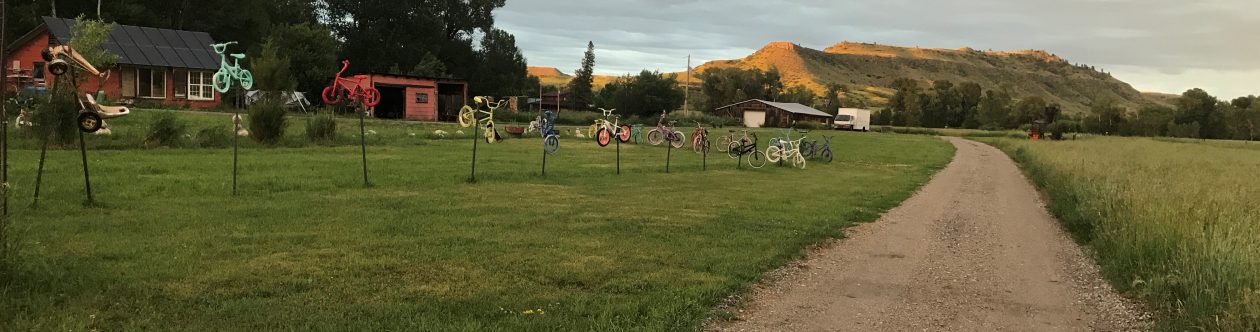
[Photo by Jean Bjerke, from a post in the Henrys Fork Wildlife Alliance – Wildlife Weekly Archives – July 15, 2021
Rita and I are working on a short “Happiness Handbook.” It’s a secret. Don’t tell ANYONE!
Below is a short and modified excerpt of something I’d written a while back on happiness being “hard to catch.” I’m looking for a place to put it in our secret handbook . . . so, for now, I’m putting it here. There’s one line in this little story that I love so much that I wish I could turn it into a quotable quote for everyone to use on the internet (haha). See if you can find it!
******************************************
Several days prior to driving across the state to a party she was planning with her family, a friend met up with us and we talked about happiness. She said she liked the word contentment better than happiness, along with the image of hanging out in a recliner after a day of meaningful work.
After her family party, she wrote me an email, sharing, rather cryptically, that her party planning turned out just okay, because,
“Sigh. Some days, happiness runs so fast!”
I loved her image of chasing happiness even more than the image of her reclining in contentment–although savoring contentment after a meaningful day is unequivocally awesome.
As it turns out, being naturally fleet, happiness prefers not being caught. Because happiness is in amazing shape, if you chase it, it will outrun you. Happiness never gets tired, but usually, before too long, it gets tired of you.
In the U.S., we’ve got an unhealthy preoccupation with happiness, as if it were an end-state we can eventually catch and convince to live with us. But happiness doesn’t believe in marriage—or even in shacking up. Happiness has commitment issues. Just as soon as you start thinking happiness might be here to stay, she/he/they disappears into the night.
But don’t let our pessimism get you down. Even though we’re not all that keen on pursuing happiness, we believe (a) once we’ve defined happiness appropriately, and (b) once we realize that instead of happiness, we should be pursuing meaningfulness.
Then, ironically or paradoxically or dialectically, after we stop chasing it, happiness will sneak back into our lives, sometimes landing on our shoulder like a delicate butterfly, and other times trumpeting like a magnificent elephant.
I’ve been in repeated conversations with numerous concerned people about the risks and benefits of suicide screenings for youth in schools. Several years ago, I was in a one-on-one coffee shop discussion of suicide prevention with a local suicide prevention coordinator. She said, more as a statement than a question, “Who could be against school-based depression and suicide screenings?”
I slowly raised my hand, forced a smile, and confessed my position.
The question of how and why I’m not in favor of school-based mental health and suicide screenings is a complex one. On occasion, screenings will work, students at high-risk will be identified, and tragedy is averted. That’s obviously a great outcome. But I believe the mental health casualties from broad, school-based screenings tend to outweigh the benefits. Here’s why.
Early identification of depression and suicide in youth will result in early labeling in school systems; even worse, young people will begin labeling themselves as being “ill” or “defective.” Those labels are sticky and won’t support positive outcomes.
Most youth who experience depressive symptoms and suicide ideation are NOT likely to die by suicide. Odds are that students who don’t report suicidal ideation are just as likely to die by suicide. As the scientists put it, suicidal ideation is not a good predictor of suicide. Also, depression symptoms generally come and go among teenagers. Most teens will recover from depressive symptoms without intensive interventions.
After a year or two of school-based screenings, the students will know the drill. They will realize that if they endorse depression symptoms and suicidal items that they’ll have to experience a pretty horrible assessment and referral process. When I talk to school personnel, they tell me that, (a) they already know the students who are struggling, and (b) in year 2 of screenings, the rates of depression and suicidality plummet—because students are smart and they want to avoid the consequences of being open about their emotional state.
About 10-15% of people who complete suicide screenings feel worse afterward. We don’t really want that outcome.
There’s no evidence that school-based screenings are linked to reductions in suicide rates.
For more info on this, you can check out a brief commentary I published in the American Psychologist with my University of Montana colleague, Maegan Rides At The Door. The commentary focuses on suicide assessment with youth of color, but our points work for all youth. And, citations supporting our perspective are included.
Here are a few excerpts from the commentary:
Standardized questionnaires, although well-intended and sometimes helpful, can be emotionally activating and their use is not without risk (Bryan, 2022; de Beurs et al., 2016).
In their most recent recommendations, the United States Preventive Services Task Force (2022) concluded that the evidence supporting screening for suicide risk among children and adolescents was “insufficient” (p. 1534). Even screening proponents acknowledge, “There is currently little to no data to show that screening decreases suicide attempt or death rates” (Cwik et al., 2020, p. 255). . . . Across settings, little to no empirical evidence indicates that screening assessments provide accurate, predictive, or useful information for categorizing risk (Bryan, 2022).
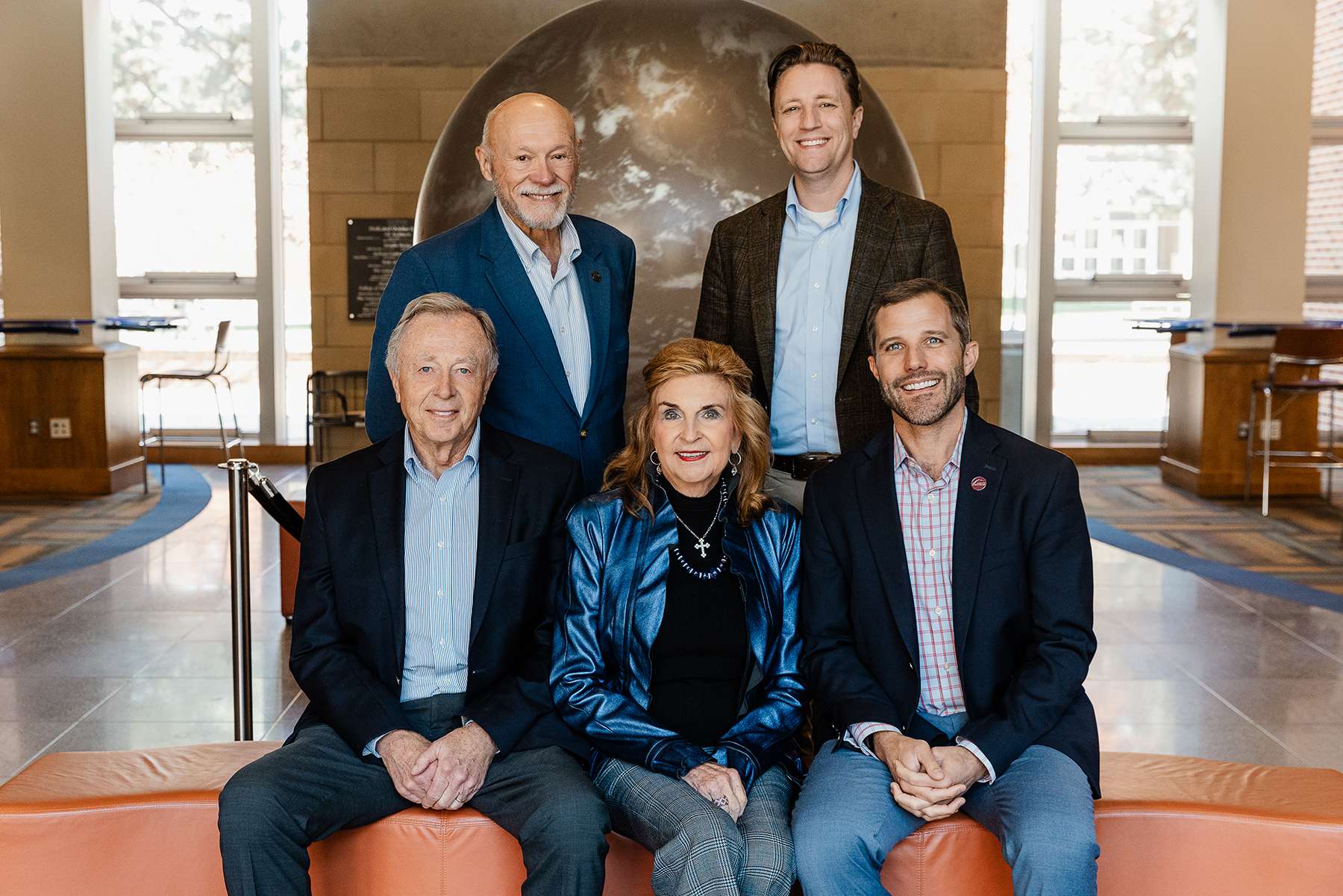
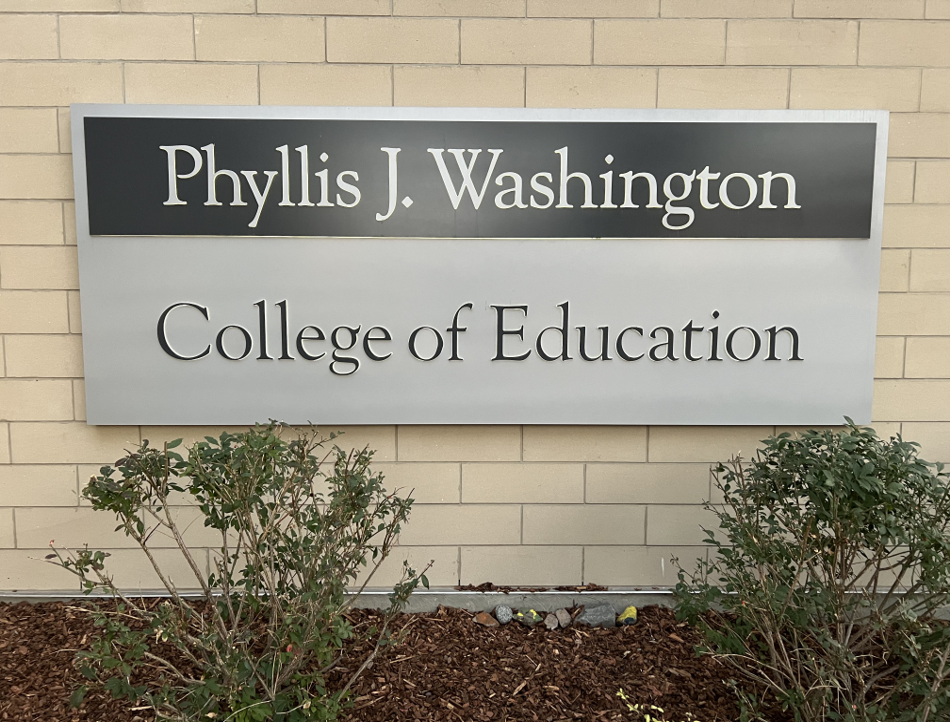
The University of Montana Foundation and the Phyllis J. Washington College of Education have just issued a press release announcing a $9.4M grant from the Dennis and Phyllis Washington Foundation to support positive education at the University of Montana and throughout the state. I am humbled to hear of this amazing support and immensely grateful to Phyllis Washington and the Washington Foundation for their vision and generosity.
Specifically, these funds will support the educational journey of prospective Montana teachers and school counselors and will grow our efforts to address the emotional and behavioral health of Montana educators and students through positive education. As you may know, thanks to a previous grant from the Arthur M. Blank Family Foundation, I’ve been very involved in promoting the principles of positive psychology and education throughout Montana. I look forward to continuing my work with Montana teachers and administrators. This incredibly generous grant will deepen our support for current and future Montana educators, including professional school counselors. Together, we will work to improve the emotional and behavioral health of young people in Montana and beyond.
If you have questions, please reach out to the names and numbers listed in the official press release.
P.S.: Along with my thanks to the Washington Foundation, in keeping with the principles of positive psychology, I want to emphasize my gratitude to Dr. Dan Lee, Dean of the Phyllis J. Washington College of Education, and the extremely competent and capable team of Erin Keenan, Erin White, and Jason Newcomer from the University of Montana Foundation. Of course, many of you who receive this message are also on my gratitude list. I hope you can feel good feelings deep inside yourselves about your own contributions to creating a better future for Montana youth, educators, and schools. I look forward to working collaboratively with all of you in the future.
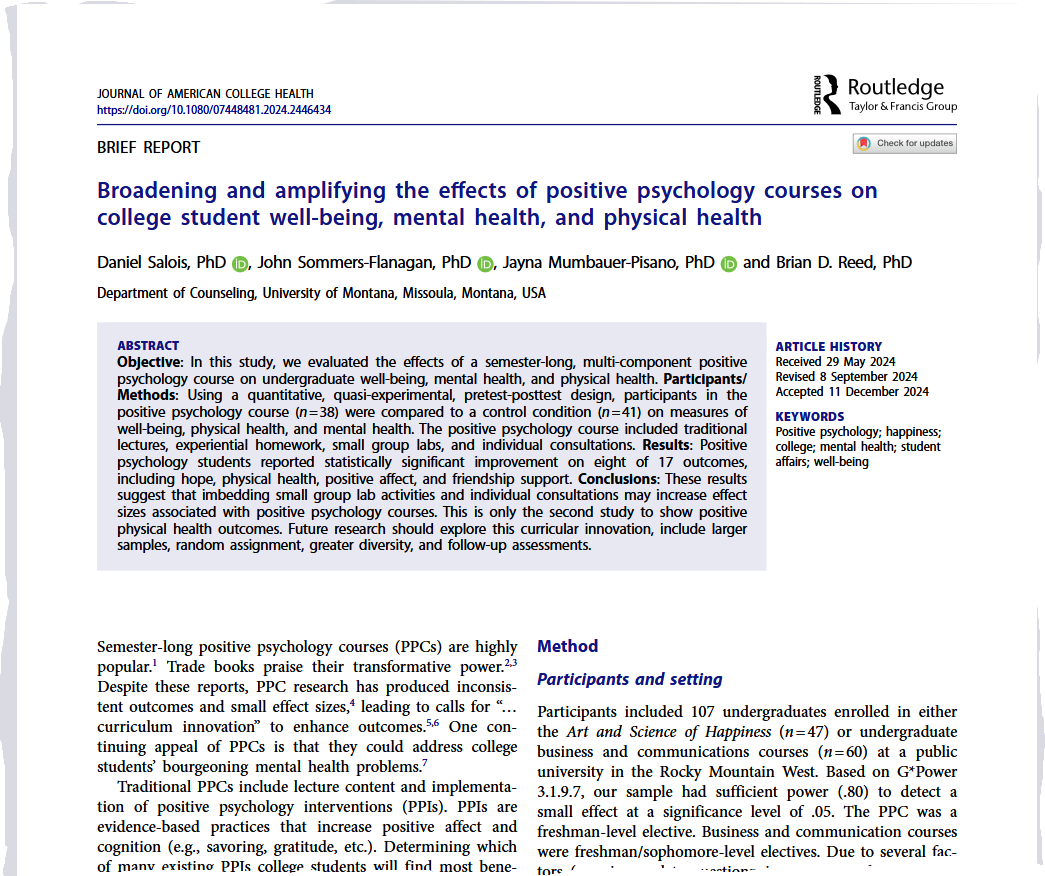
We have more good news for 2025. At long last, we’ve published a research article based on Dr. Dan Salois’s doctoral dissertation. Congratulations Dan!
This article is part of growing empirical support for our particular approaches to teaching positive psychology, happiness, and how people can live their best lives. As always, I want to emphasize that our approach is NOT about toxic positivity, as we encourage people to deal with the deep conflicts, trauma, and societal issues that cause distress — while also teaching strategies for generating positive affect, joyspotting, and other practices derived from positive psychology.
One of the big takeaways from Dr. Dan’s dissertation is that our happiness class format may produce physical health benefits. Also, it’s important to note that this publication is from early on in our research, and that our later research (currently unpublished) continues to show physical health benefits. Exciting stuff!
Tomorrow is a celebrated holiday involving gratitude. Given the American history of mistreatment, oppression, and abuse of indigenous peoples, I have trouble saying the holiday name. You may think I’m being over-sensitive or politically correct, or you may find yourself seeking some other label to describe me. No worries, I’m here to help. My current labels (which switch with considerable frequency) are grumpy and discouraged.
I know better than to dwell too long on my grumpy and discouraged thoughts, feelings, and somatic complaints. Those of you who know me well know that it makes me grumpy to even use the word somatic, and so the discouragement is deep. While I’m drilling down into my negativity, I’ll add that it also makes me grumpy to hear the words “fight-or-flight” and “brain shut-down” and “amygdala hijack” and “PHQ-9 or GAD-7” and “mental illness” and the mispronunciation of “Likert” and everything else our culture is using to push us into negative mental and emotional states—and keep us there.
I also know that some of the preceding linguistic pet peeves may seem cryptic. That’s okay. I like being mysterious. I’ll just say that I would prefer “amygdala hijinks” over “hijack,” and leave the mystery unsolved.
Not surprisingly, the bigger laments are what give the smaller laments most of their negative power. My bigger laments are probably obvious, but here are a few: How did we develop into a culture where the voices and opinions of people like Andrew Tate and Joe Rogan shape the psychology, emotions, and behavior of so many young men? How did we become a nation that could elect a convicted felon, rapist, racist, sexist, reality television star as the next president? When did Christianity take a turn and become a narcissistic, nationalist, anti-immigrant movement? How did our mainstream media become an entity that gives voice to social media posts from the president elect? And, because the president elect is a well-known serial and pathological liar, how did the media decide they should center their reporting around his likely dissembling bloviations as potentially truthful statements?
I do have to admit that it makes me a little bit happy to use the word bloviations. That was fun.
Now that I have you (my six faithful readers) grumpy and discouraged along with me, maybe I should pause to take stock of the many things and people toward whom I feel gratitude. If, by chance, you’ve also been feeling your share of doom and gloom, I hope you’ll consider joining me in a gratitude activity.
First in line is Rita. Only minutes ago, while planning a few Turkey Day dishes, I offered up one simple suggestion that may have required only one or two brain cells and could easily have been brought forth during a so-called fight-or-flight brain shut-down. Her response of, “That’s a REALLY good idea!” made me laugh out loud (even amidst my gloomy mood). This small interaction reminded me of the many ways that I am lucky to be supported and inspired by Rita every day.
Our children (and son-in-law) are basically overachieving geniuses who work every day to make the world a better place. I won’t go into details here, but this is more good fortune on a rather magnificent scale.
This past weekend I hung out with my sisters, attending a Bat Mitzvah with my Jewish cousins who welcomed us into their celebration with open arms and hearts. We mercilessly teased each other, laughed together, played games, and did what family does. My sisters and I often marvel at our mutual family experiences . . . as given to us by our amazing parents. More big gratitude.
First thing this morning, I got to lightly supervise a few interns who are facilitating a group for dads, prepping to present to classrooms of 8th graders, and being coached by Dylan Wright, who just might be the most dynamic presentation coach of all time. These young people are smart, capable, and committed to being therapeutic forces in the world. . . and I get to work with them.
Tomorrow Rita and I will have dinner with a long-time friend who, having already made substantial contributions to the mental health of a multitude of Montanans, invited us over to help her eat up a frozen turkey that she surprisingly found in her freezer. We have gratitude to her for the past, present, and future.
Just in case you’re wondering, the empirical research on gratitude is pretty fantastic. Focused and intentional gratitude will not immediately transform your life, but in general, gratitude practice is linked to improved mood, increased positive communications with others, hope, and improvements in physical exercise. That last one is as cryptic as my linguistic pet peeves. How could gratitude make you exercise more? Nobody knows. All I can say is this: How about you practice gratitude tonight, tomorrow, and into the future and then see if it helps you exercise more? As B.F. Skinner might say, we should all experiment with our experiences.
Given all the world-wide and local reasons to be grumpy and discouraged, my plan is to counter those feelings by spending more time being grateful. I know it won’t fix the world . . . but I know it will create nicer feelings . . . and that, I suppose, is plenty good for now.
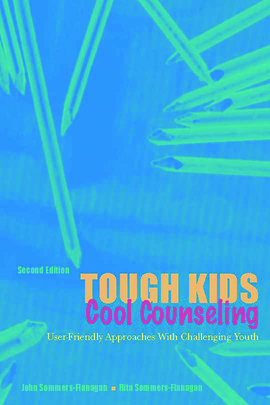
My wife (Rita) and I used to argue over who came up with the catchy “Tough Kids, Cool Counseling” title for our 1997/2007 book with the American Counseling Association. I would swear it was MY grand idea; she would swear back that it was HER idea. If any of you are in–or have been in–romantic partnerships, perhaps you can relate to disagreements over who has all the best ideas. I doubt that this dynamic is unique to Rita and me.
Years passed . . . and now I’ve come to very much dislike the title. . . leading me to give Rita ALL THE CREDIT! You’ve got it Rita! It was all you!
Despite my dislike for the title, I still sometimes use it for workshops. Why might that be, you may be wondering? Good question. I use it so I can make the point, early in the workshop, that we should NEVER use language that blames young people for their problems or their problem behaviors. In fact, we should never even “think” thoughts that assign blame to them for being “tough.”
My reasoning for this is informed by constructive theory and narrative therapy. When we assign blame and responsibility to young people for being “tough” or “difficult” or “challenging,” we risk contributing to them holding a tough, difficult, or challenging identity–which is exactly the opposite of what we want to be doing. Instead, I tell my workshop participants that we should recognize, there are no “tough kids” . . . there are only kids in tough situations . . . and being in counseling or psychotherapy is just another tough situation that young people have to face. Consequently, it’s NOT their fault if they engage in so-called tough or challenging behaviors.
All this leads me to share that I’ll be online all day on December 6, 2024, doing a workshop for mental health professionals. The workshop, anachronistically titled, “Tough Kids, Cool Counseling” is sponsored by the Vermont Psychological Association. You can register for the workshop here: https://twinstates.ce21.com/item/tough-kids-cool-counseling-131540
Even if I do say so myself, I’m proclaiming here and now that this will be a very engaging online workshop. If you work with youth (ages 10-18) in counseling or psychotherapy, and you need/want some year-ending CEUs, we’ll be having some virtual fun on December 6, and I hope you can join in.
This past week I spent four days at West Creek Ranch, where I was forced to eat gourmet food, do sunrise yoga, experience a ropes course (briefly becoming a “flying squirrel”), watch a reflective horse session, dance away one night, hike in the beautiful Paradise Valley, and hang out, converse, and learn from about 25 very smart/cool/fancy people. Yes, it was a painful and grueling experience—which I did not deserve—but of which I happily partook.
On the first morning, I provided a brief presentation to the group on the concept of belonging, from the perspective of the Montana Happiness Project. Despite having shamefully forgotten to take off my socks during the sunrise morning yoga session, and having anxiety about whether or not I belonged with this incredible group of people, they let me belong. They also laughed at all the right moments during my initial mini-comedy routine, and then engaged completely in a serious reflective activity involving them sharing their eudaimonic belongingness sweet-spots with each other.
If you don’t know what YOUR eudaimonic belongingness sweet-spot is, you’re not alone (because hardly anyone knows what I mean by that particular jumble of words). That’s because, as a university professor, I took the liberty of making that phrase up, while at the same time, noting that it’s derived from some old Aristotelean writings. Yes, that’s what university professors do. Here’s the definition that I half stole and half made up.
That place where the flowering of your greatest (and unique) virtues, gifts, skills, talents, and resources intersect (over time) with the needs of the world [or your community or family].
I hope you take a moment to reflect on that definition and how it is manifest in who you are, and how you are in your relationships with others. If you’re reading this blog post, I suspect that you’re a conscious and sentient entity who makes a positive difference in the lives of others in ways that are uniquely you. Because we can’t and don’t always see ourselves as others see us, in our University of Montana Happiness course, we have an assignment called the Natural Talent Interview designed to help you gain perspective on your own distinct and distinctive positive qualities. You can find info on the Natural Talent Interview here: https://johnsommersflanagan.com/2023/12/26/what-do-you-think-of-me/
And my West Creek presentation powerpoint slides (all nine of them) are here:
You may have missed the main point of this blog post—which would be easy because I’m writing like a semi-sarcastic and erudite runaway loose association train that’s so busy whistling that it can’t make a point. My main point is GRATITUDE. Big, vast, and immense gratitude. Gratitude for the Arthur M. Blank Family Foundation (AMBFF) and our massively helpful program officers. Gratitude for our retreat facilitators. Gratitude for the staff at West Creek Ranch. Gratitude for the presence of everyone at the gathering. And gratitude for the therapeutic feelings of belonging I had the luxury of ruminating on all week. My experience was so good that I’m still savoring it like whatever you think might be worth savoring and then end up savoring even more than you expected.
Thank you AMBFF and Arthur Blank for your unrelenting generosity and laser-focus on how we can come together as community and make the world a better place.
************
*Note: At the Montana Happiness Project, we do not support toxic positivity. What I mean by that is: (a) no one should ever tell anyone else to cheer up (that’s just offensive and emotionally dismissive), and (b) although we reap benefits from shifting our thinking and emotions in positive directions, we also reap similar benefits from writing and talking about trauma, life challenges, and social injustice. As humans, we are walking dialectics, meaning we grow from exploring the negative as well as the positive in life. We are multitudes, simultaneously learning and growing in many directions.
It can be good to have an IOU. I knew I owed my former student and current colleague, Maegan Rides At The Door, a chance to publish something together. We had started working on a project several years ago, but I got busy and dropped the ball. For years, that has nagged away at me. And so, when I read an article in the American Psychologist about suicide assessment with youth of color, I remembered my IOU, and reached out to Maegan.
The article, written by a very large team of fancy researchers and academics, was really quite good. But, IMHO, they neglected to humanize the assessment process. As a consequence, Maegan and I prepared a commentary on their article that would emphasize the relational pieces of the assessment process that the authors had missed. Much to our good fortune, after one revision, the manuscript was accepted.
I saw Maegan yesterday as she was getting the President Royce Engstrom Endowed Prize in University Citizenship award (yes, she’s just getting awards all the time). She said, with her usual infectious smile, “You know, I re-read our article this morning and it’s really good!”
I am incredibly happy that Maegan felt good about our published article. I also re-read the article, and felt similar waves of good feelings—good feelings about the fact that we were able to push forward an important message about working with youth of color. Because I know I now have your curiosity at a feverish pitch, here’s our closing paragraph:
In conclusion, to improve suicide assessment protocols for youth of color, providers should embrace anti-racist practices, behave with cultural humility, value transparency, and integrate relational skills into the assessment process. This includes awareness, knowledge, and skills related to cultural attitudes consistent with local, communal, tribal, and familial values. Molock and colleagues (2023) addressed most of these issues very well. Our main point is that when psychologists conduct suicide assessments, relational factors and empathic attunement should be central. Overreliance on standardized assessments—even instruments that have been culturally adapted—will not suffice.
And here’s the Abstract:
Molock and colleagues (2023) offered an excellent scholarly review and critique of suicide assessment tools with youth of color. Although providing useful information, their article neglected essential relational components of suicide assessment, implied that contemporary suicide assessment practices are effective with White youth, and did not acknowledge the racist origins of acculturation. To improve suicide assessment process, psychologists and other mental health providers should emphasize respect and empathy, show cultural humility, and seek to establish trust before expecting openness and honesty from youth of color. Additionally, the fact that suicide assessment with youth who identify as White is also generally unhelpful, makes emphasizing relationship and development of a working alliance with all youth even more important. Finally, acculturation has racist origins and is a one-directional concept based on prevailing cultural standards; relying on acculturation during assessments with youth of color should be avoided.
And finally, if you’re feeling inspired for even more, here’s the whole Damn commentary:
Uncommon Courses is an occasional series from The Conversation U.S. highlighting unconventional approaches to teaching.
Title of Course
Evidence-Based Happiness for Teachers
What prompted the idea for the course?
I was discouraged. For nearly three decades, as a clinical psychologist, I trained mental health professionals on suicide assessment. The work was good but difficult.
I consulted my wife, Rita, who also happens to be my favorite clinical psychologist. We decided to explore the science of happiness. Together, we established the Montana Happiness Project and began offering evidence-based happiness workshops to complement our suicide prevention work.
In 2021, the Arthur M. Blank Family Foundation, through the University of Montana, awarded us a US$150,000 grant to support the state’s K-12 public school teachers, counselors and staff. We’re using the funds to offer these educators low-cost, online graduate courses on happiness. In spring 2023, the foundation awarded us another $150,000 so we could extend the program through December 2025.
What does the course explore?
Using the word “happiness” can be off-putting. Sometimes, people associate happiness with recommendations to just smile, cheer up and suppress negative emotions – which can lead to toxic positivity.
As mental health professionals, my wife and I reject that definition. Instead, we embrace Aristotle’s concept of “eudaimonic happiness”: the daily pursuit of meaning, mutually supportive relationships and becoming the best possible version of yourself.
The heart of the course is an academic, personal and experiential exploration of evidence-based positive psychology interventions. These are intentional practices that can improve mood, optimism, relationships and physical wellness and offer a sense of purpose. Examples include gratitude, acts of kindness, savoring, mindfulness, mood music, practicing forgiveness and journaling about your best possible future self.
Students are required to implement at least 10 of 14 positive psychology interventions, and then to talk and write about their experiences on implementing them.
The lesson on sleep is especially powerful for educators. A review of 33 studies from 15 countries reported that 36% to 61% of K-12 teachers suffered from insomnia. Although the rates varied across studies, sleep problems were generally worse when teachers were exposed to classroom violence, had low job satisfaction and were experiencing depressive symptoms.
The sleep lesson includes, along with sleep hygiene strategies, a happiness practice and insomnia intervention called Three Good Things, developed by the renowned positive psychologist Martin Seligman.
I describe the technique, in Seligman’s words: “Write down, for one week, before you go to sleep, three things that went well for you during the day, and then reflect on why they went well.”
Next, I make light of the concept: “I’ve always thought Three Good Things was hokey, simplistic and silly.” I show a video of Seligman saying, “I don’t need to recommend beyond a week, typically … because when you do this, you find you like it so much, most people just keep doing it.” At that point, I roll my eyes and say, “Maybe.”
Then I share that I often awakened for years at 4 a.m. with terribly dark thoughts. Then – funny thing – I tried using Three Good Things in the middle of the night. It wasn’t a perfect solution, but it was a vast improvement over lying helplessly in bed while negative thoughts pummeled me.
The Three Good Things lesson is emblematic of how we encourage teachers in our course – using science, playful cynicism and an open and experimental mindset to apply the evidence-based happiness practices in ways that work for them.
I also encourage students to understand that the strategies I offer are not universally effective. What works for others may not work for them, which is why they should experiment with many different approaches.
What will the course prepare students to do?
The educators leave the course with a written lesson plan they can implement at their school, if they wish. As they deepen their happiness practice, they can also share it with other teachers, their students and their families.
Over the past 16 months, we’ve taught this course to 156 K-12 educators and other school personnel. In a not-yet-published survey that we carried out, more than 30% of the participants scored as clinically depressed prior to starting the class, compared with just under 13% immediately after the class.
The educators also reported overall better health after taking the class. Along with improved sleep, they took fewer sick days, experienced fewer headaches and reported reductions in cold, flu and stomach symptoms.
As resources allow, we plan to tailor these courses to other people with high-stress jobs. Already, we are receiving requests from police officers, health care providers, veterinarians and construction workers.
Why Do We Need a Strengths-Based Approach to Suicide Assessment and Treatment?
Imagine this: You’re living in a world that seems like it would just as soon forget you exist. Maybe your skin color is different than the dominant people who hold power. Maybe you have a disability. Whatever the case, the message you hear from the culture is that you’re not important and not worthy. You feel oppressed, marginalized, unsupported, and as if much of society would just as soon have you become invisible or go away.
In response, you intermittently feel depressed and suicidal. Then, when you enter the office of a health or mental health professional, the professional asks you about depression and suicide. Even if the professional is well-intended, judgment leaks through. If you admit to feeling depressed and having suicidal thoughts, you’ll get a diagnosis that implies you’re to blame for having depressing and suicidal thoughts.
The medical model overfocuses on trying to determine: “Are you suicidal?” The medical model is also based on the assumption that the presence of suicidality indicates there’s something seriously wrong with you. But if we’re working with someone who has been or is currently being marginalized, a rational response from the patient might be:
“As it turns out, I’ve internalized systemic and intergenerational racism, sexism, ableism, and other dehumanizing messages from society. I’ve been devalued for so long and so often that now, I’ve internalized societal messages: I devalue myself and wonder if life is worth living. And now, you’re blaming me with a label that implies I’m the problem!”
No wonder most people who are feeling suicidal don’t bother telling their health professionals.
When I think of this preceding scenario, I want to add profanity into my response, so I can adequately convey that it’s completely unjust to BLAME patients for absorbing repeated negative messages about people who look like or sound like or act like them. WTH else do you think should happen?
This is why we need to integrate strengths-based principles into traditional suicide assessment and prevention models. Of course, we shouldn’t use strengths-based ideas in ways that are toxically positive. We ALWAYS need to start by coming alongside and feeling with our patients and clients. As it turns out, if we do a good job of coming alongside patients/clients who are in emotional pain, natural opportunities for focus on strengths and resources, including cultural, racial, sexual, and other identities that give the person meaning.
I’m reminded of an interview I did with an Alaskan Native person from the Yupik tribe. She talked at length about her depression, about feeling like a zombie, and past and current suicidal thoughts. Eventually, I inquired: “What’s happening when you’re not having thoughts about suicide?” She seemed surprised. Then she said, “I’d be singing or writing poetry.” I instantly had a sense that expressing herself held meaning for her. In particular, her singing Native songs and contemporary pop songs became important in our collaborative efforts to build her a safety plan.
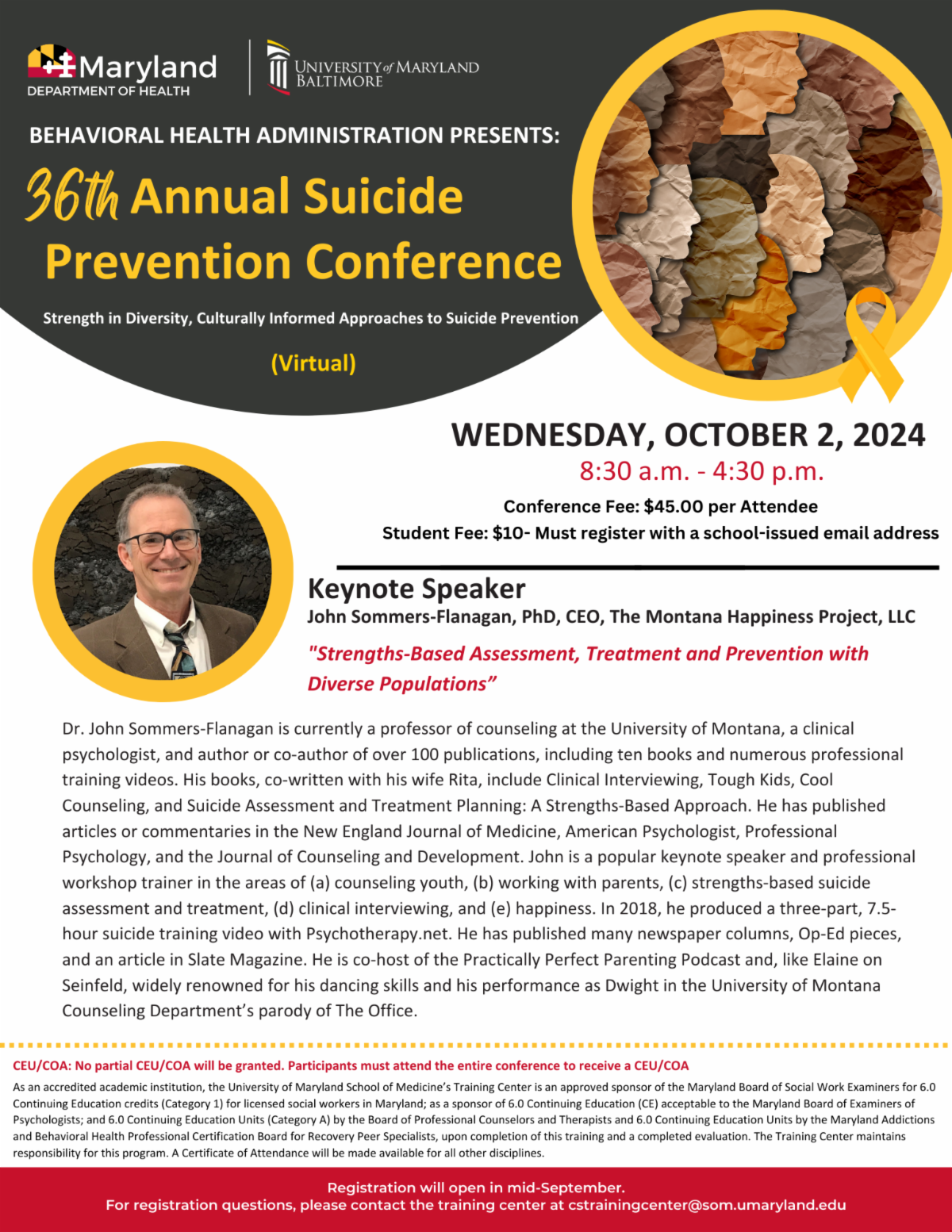
This coming Wednesday morning I have the honor of presenting as the keynote speaker for the Maryland Department of Health 36th Annual Suicide Prevention Conference. During this keynote, I’ll share more ideas about why a strengths-based model is a good fit when working with diverse clients who are experiencing suicidal thoughts and impulses.
With all that said, here’s the title and abstract of my upcoming presentation.
Strengths-Based Assessment, Treatment, and Prevention with Diverse Populations
Traditional suicide assessment tends to be a top-down information-gathering process wherein healthcare or prevention professionals use questionnaires and clinical interviews to determine patient or client suicide risk. This approach may not be the best fit for people from populations with historical trauma, or for people who continue to experience oppression or marginalization. In this presentation, John Sommers-Flanagan will review principles of a strengths-based approach to suicide prevention, assessment, and treatment. He will also discuss how to be more sensitive, empowering, collaborative, and how to leverage cultural strengths when working with people who are potentially suicidal. You will learn at least three practical strengths-based strategies for initiating conversations about suicide, conducting culturally-sensitive assessments, and implementing suicide interventions—that you can immediately use in your prevention work.
The place to click if you want to learn about psychotherapy, counseling, or whatever John SF is thinking about.




 John Sommers-Flanagan