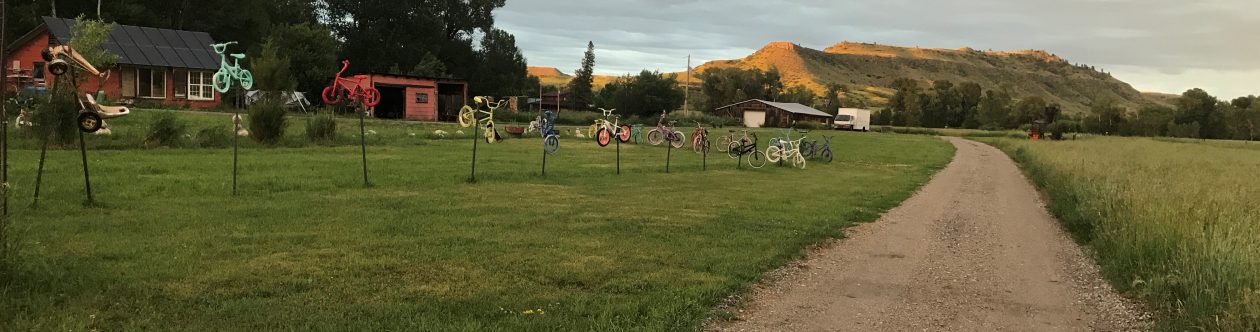
[Photo by Jean Bjerke, from a post in the Henrys Fork Wildlife Alliance – Wildlife Weekly Archives – July 15, 2021
Rita and I are working on a short “Happiness Handbook.” It’s a secret. Don’t tell ANYONE!
Below is a short and modified excerpt of something I’d written a while back on happiness being “hard to catch.” I’m looking for a place to put it in our secret handbook . . . so, for now, I’m putting it here. There’s one line in this little story that I love so much that I wish I could turn it into a quotable quote for everyone to use on the internet (haha). See if you can find it!
******************************************
Several days prior to driving across the state to a party she was planning with her family, a friend met up with us and we talked about happiness. She said she liked the word contentment better than happiness, along with the image of hanging out in a recliner after a day of meaningful work.
After her family party, she wrote me an email, sharing, rather cryptically, that her party planning turned out just okay, because,
“Sigh. Some days, happiness runs so fast!”
I loved her image of chasing happiness even more than the image of her reclining in contentment–although savoring contentment after a meaningful day is unequivocally awesome.
As it turns out, being naturally fleet, happiness prefers not being caught. Because happiness is in amazing shape, if you chase it, it will outrun you. Happiness never gets tired, but usually, before too long, it gets tired of you.
In the U.S., we’ve got an unhealthy preoccupation with happiness, as if it were an end-state we can eventually catch and convince to live with us. But happiness doesn’t believe in marriage—or even in shacking up. Happiness has commitment issues. Just as soon as you start thinking happiness might be here to stay, she/he/they disappears into the night.
But don’t let our pessimism get you down. Even though we’re not all that keen on pursuing happiness, we believe (a) once we’ve defined happiness appropriately, and (b) once we realize that instead of happiness, we should be pursuing meaningfulness.
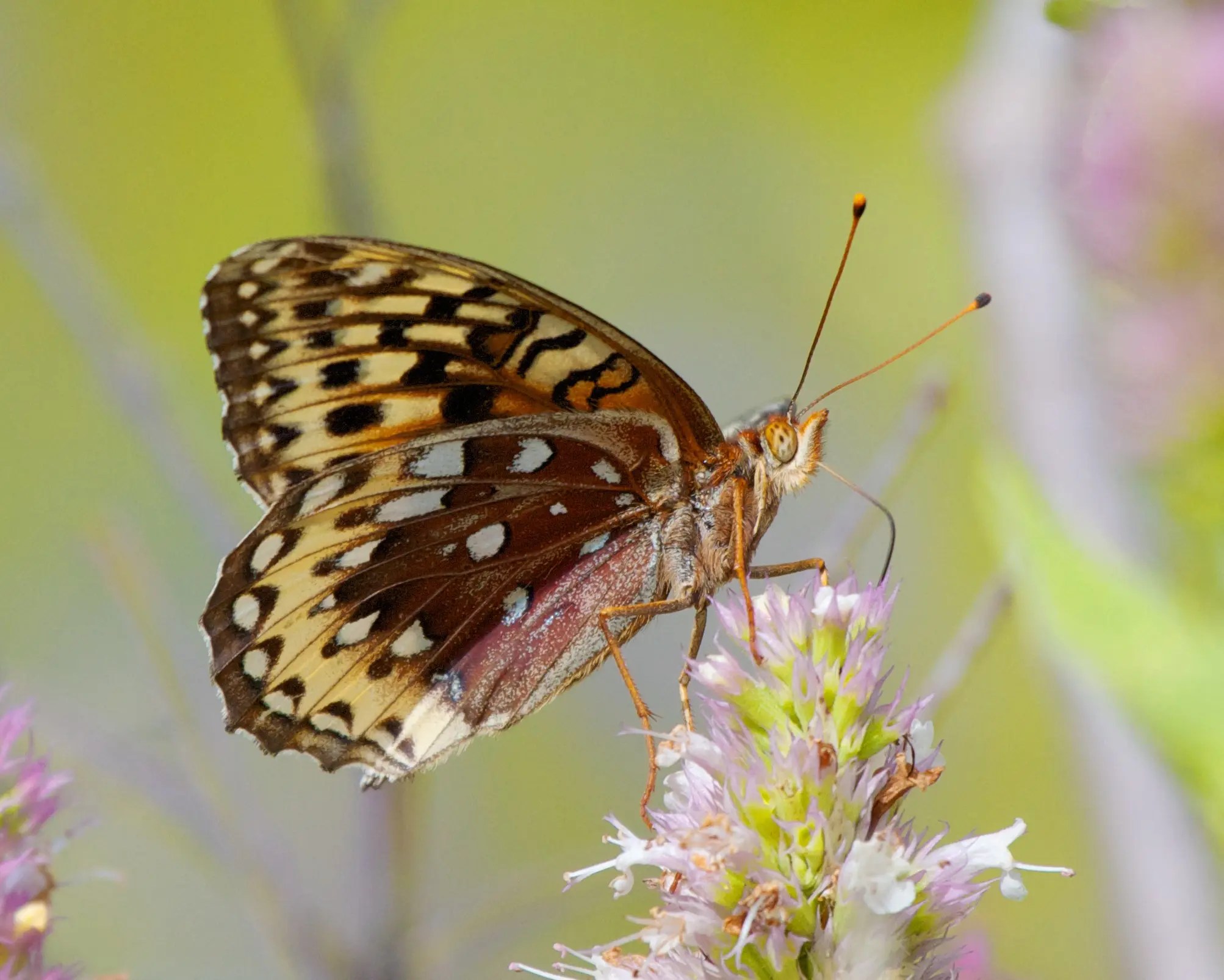
Then, ironically or paradoxically or dialectically, after we stop chasing it, happiness will sneak back into our lives, sometimes landing on our shoulder like a delicate butterfly, and other times trumpeting like a magnificent elephant.
This post is a continuation of my focus on kindness, positive psychology, and becoming the best possible versions of ourselves. Lyrics from Katharine Lee Bates’s America the Beautiful are part of my underlying inspiration. Buried in the 3rd verse, she wrote, “Till all success be nobleness.” We all should be seeking to be our best and noblest selves, but there are forces in the world pulling in less noble directions. Be forewarned that this post can be interpreted politically or through an historic religious lens. That’s not my intent. The point is simply that we should resist darker impulses and join together to elevate virtuous well-being for as many of us as we can muster. (Here’s Keb Mo singing my favorite version of “America the Beautiful” https://www.youtube.com/watch?v=zcUx3I0k_Fw):
***********************************
In 2015, at a family dinner, I told my sister that if then-candidate Donald Trump were caught in a strong headwind, his hair would fly up, revealing the number 666 (the mark of the Beast) on his forehead. My sister said, “John, you’re being overly dramatic.” She was right.
And so was I.
So many scenes and statements over the past month have been nauseating and shameful. When Trump, along with his #1 sycophant, JD Vance, berated Ukrainian President Volodymyr Zelenskyy (the only courageous person in the room), it was like a bad episode of an already failing reality television show. Trump likes to use the word disgrace to describe his adversaries. Trump was, is, and always will be a disgrace. As with most of his insults, “disgrace” is a projection that he pulls out of his own psyche and pastes onto others.
Musk and Trump are firing civil servants and dismantling government services. They have no concern for the lives of people they are destroying. One of their first targets was USAID. Why? Because USAID does kind, generous, and nice things for people across the globe who are in need and suffering. USAID does not promote crypto or cater to the well-heeled. For Musk and Trump, the suffering of others is sometimes collateral damage; other times being cruel is their point.
My new measure for politicians and other humans is kindness. USAID was doing more kind, generous, and compassionate things in one day, than Musk and Trump have done in their combined lifetimes. Marco Rubio recently announced that over 80% of USAID programming is cut. This is not a noble path.
If you don’t believe me, that’s fine. Do the research. Check it out. But don’t believe them. Mega-wealthy people who tell you they’re looking out for your best interests are nearly always lying. Trump and Musk didn’t get rich off their compassion; they got rich using, abusing, and scamming others.
My list of republican sycophants is long and boring. I’m thinking of Lindsey Graham and Rubio, but there are so many others. Most republicans don’t have Zelenskyy’s courage, so they insult him, or imply that he didn’t read the room. Seriously? He read the room with precision. His first option was to get screwed by Trump and Vance while acting like their lap dog. His second option was to stand strong in the face of their theatrical insults to fight for his country and his people. He chose the latter. There never was an option that was in Ukraine’s best interests. The situation was a set up; Zelenskyy took the only respectable option.
Many republicans recognize our democracy is at stake, but they cave to Trumpian bullying anyway. Spineless, led by their fear, they capitulate, even when they know that unpredictable tariffs are reaping chaos on the economy. They capitulate even when they know that pardoning January 6 rioters who attacked the police is wrong. They remain quiet and demur while a legal protester and recent graduate from Columbia University is arrested.
I’m in a fevered state. I may regret putting my thoughts into words, but what I’m saying is coming directly from the burning in my heart for noble causes. I love America. I love the goals and hard work of organizations like USAID. I love civil servants. I stand with them, with Zelenskyy, with peaceful protesters, with the Department of Education, to push back against the big gangsters in their big, imaginary thrones.
If Evil had a plan, it might be this: Make the tired, hungry, and poor the enemy. Sow fear and distrust; grow it into jealousy and hate. Once the hate sprouts, attack the poor and disenfranchised. Cut federal education because of its great value to the poor and uselessness to the rich. Eliminate environmental protections for marginalized communities; let them breathe monoxide and drink brown water because their voices are easy to ignore or dismiss. Destroy USAID, because what wealthy person ever benefited from aid to the hungry or medicines for the sick? Convince the gullible to distrust medicine and question life-saving vaccines; only the affluent deserve to live long and healthy lives.
If Evil had a plan, it might be happening—even as you read these words. And the plan is profoundly Un-American.
But Evil is not a thing or a person. Evil, and all things we call Evil, are conceptual. The great Evil makes us all fall from grace. Evil plays the news cycle, promotes hate, stokes division, and makes us all less good, less happy, angrier, and less compassionate. I was wrong in 2015. If you look closely at Donald Trump’s forehead, you won’t see the numbers 666. He’s no concrete embodiment of Evil. Instead, if you look and listen closely, you’ll see and hear a large vacuous ego that seeks to fill itself with power, and by inspiring everyone to hate more and be less humane, because, quite frankly, that’s how “Evil” works.
Now is the time to put Evil in the rear-view mirror. We will need all our combined strength to make this happen. We need to reach out in kindness and compassion. We need to push back against messages of hate and division and policies that further decimate the poor and disenfranchised. We need to listen to the small, still voice in the night, the voice that knows our name, the voice beckoning us to embrace our better selves and noble natures.
Tomorrow is a celebrated holiday involving gratitude. Given the American history of mistreatment, oppression, and abuse of indigenous peoples, I have trouble saying the holiday name. You may think I’m being over-sensitive or politically correct, or you may find yourself seeking some other label to describe me. No worries, I’m here to help. My current labels (which switch with considerable frequency) are grumpy and discouraged.
I know better than to dwell too long on my grumpy and discouraged thoughts, feelings, and somatic complaints. Those of you who know me well know that it makes me grumpy to even use the word somatic, and so the discouragement is deep. While I’m drilling down into my negativity, I’ll add that it also makes me grumpy to hear the words “fight-or-flight” and “brain shut-down” and “amygdala hijack” and “PHQ-9 or GAD-7” and “mental illness” and the mispronunciation of “Likert” and everything else our culture is using to push us into negative mental and emotional states—and keep us there.
I also know that some of the preceding linguistic pet peeves may seem cryptic. That’s okay. I like being mysterious. I’ll just say that I would prefer “amygdala hijinks” over “hijack,” and leave the mystery unsolved.
Not surprisingly, the bigger laments are what give the smaller laments most of their negative power. My bigger laments are probably obvious, but here are a few: How did we develop into a culture where the voices and opinions of people like Andrew Tate and Joe Rogan shape the psychology, emotions, and behavior of so many young men? How did we become a nation that could elect a convicted felon, rapist, racist, sexist, reality television star as the next president? When did Christianity take a turn and become a narcissistic, nationalist, anti-immigrant movement? How did our mainstream media become an entity that gives voice to social media posts from the president elect? And, because the president elect is a well-known serial and pathological liar, how did the media decide they should center their reporting around his likely dissembling bloviations as potentially truthful statements?
I do have to admit that it makes me a little bit happy to use the word bloviations. That was fun.
Now that I have you (my six faithful readers) grumpy and discouraged along with me, maybe I should pause to take stock of the many things and people toward whom I feel gratitude. If, by chance, you’ve also been feeling your share of doom and gloom, I hope you’ll consider joining me in a gratitude activity.
First in line is Rita. Only minutes ago, while planning a few Turkey Day dishes, I offered up one simple suggestion that may have required only one or two brain cells and could easily have been brought forth during a so-called fight-or-flight brain shut-down. Her response of, “That’s a REALLY good idea!” made me laugh out loud (even amidst my gloomy mood). This small interaction reminded me of the many ways that I am lucky to be supported and inspired by Rita every day.
Our children (and son-in-law) are basically overachieving geniuses who work every day to make the world a better place. I won’t go into details here, but this is more good fortune on a rather magnificent scale.
This past weekend I hung out with my sisters, attending a Bat Mitzvah with my Jewish cousins who welcomed us into their celebration with open arms and hearts. We mercilessly teased each other, laughed together, played games, and did what family does. My sisters and I often marvel at our mutual family experiences . . . as given to us by our amazing parents. More big gratitude.
First thing this morning, I got to lightly supervise a few interns who are facilitating a group for dads, prepping to present to classrooms of 8th graders, and being coached by Dylan Wright, who just might be the most dynamic presentation coach of all time. These young people are smart, capable, and committed to being therapeutic forces in the world. . . and I get to work with them.
Tomorrow Rita and I will have dinner with a long-time friend who, having already made substantial contributions to the mental health of a multitude of Montanans, invited us over to help her eat up a frozen turkey that she surprisingly found in her freezer. We have gratitude to her for the past, present, and future.
Just in case you’re wondering, the empirical research on gratitude is pretty fantastic. Focused and intentional gratitude will not immediately transform your life, but in general, gratitude practice is linked to improved mood, increased positive communications with others, hope, and improvements in physical exercise. That last one is as cryptic as my linguistic pet peeves. How could gratitude make you exercise more? Nobody knows. All I can say is this: How about you practice gratitude tonight, tomorrow, and into the future and then see if it helps you exercise more? As B.F. Skinner might say, we should all experiment with our experiences.
Given all the world-wide and local reasons to be grumpy and discouraged, my plan is to counter those feelings by spending more time being grateful. I know it won’t fix the world . . . but I know it will create nicer feelings . . . and that, I suppose, is plenty good for now.
Tomorrow morning Alli Bristow (recent Montana School Counselor of the Year), Hannah Lewis (awesome elementary HPE teacher), and I will travel eastbound and take the Montana I-90 exit #166 for Gold Creek. We won’t be panning for gold. Instead, we’ll get way richer than we would from finding gold—because we’re offering a couple presentations on “Happiness and You” to the Young Survivors Group at Camp Mak-A-Dream.
The Young Survivors group consists of 13-18-year-olds who have experienced brain tumors. As someone who had the good fortune and great privilege of excellent health during my teen years, I can barely imagine the strength, resilience, persistence, and family support these young people have needed to bear their medical challenges. Although Alli, Hannah, and I have powerpoints and presentation plans, our two presentations will truly be an example of us all learning together.
When I was teaching social skills to elementary school-aged youth, one boy couldn’t stop talking about himself. Because I wanted the students to be interactive with and interested in each other, I intervened.
“Ask a question about her.”
He nodded, in apparent understanding. Returning to the activity, he followed my instructions (sort of), immediately asking,
“What do you think of me?”
The question, “What do you think of me?” is powerful. We all wonder this, at least occasionally, and perhaps constantly. As I just wrote in a previous blog post, being seen and known by others is a profound experience. Having your strengths and positive qualities reflected back to you by others is a gift: https://johnsommersflanagan.com/2023/12/25/the-gift-of-being-seen/
The Natural Talent Interview requires vulnerability; it’s a challenging and potentially awkward assignment. I recommend it anyway. 😲
Here’s a link to the version of the Natural Talent Interview that we assign in the Happiness Course. Note: It includes a nice description of self-awareness and the Johari Window.
Freud once said, “There are many ways and means of conducting psychotherapy. All that lead to recovery are good.”
Coming from rigid old Freud, that was a pretty wildly accepting statement. I’d like to apply it to gratitude.
There are many ways to practice gratitude. All that lead to meaning and happiness are good.
When it comes to gratitude, there are many “ways and means.” Let us count the ways.
1.Gratitude for others who are in our lives right now.
2.Gratitude for others, from the past; these people toward whom we feel gratitude may be alive or may have passed.
3.Gratitude for a higher power. Many people pray to express gratitude. In Traveling Mercies, Anne Lamott said there are only two types of prayer. “Help me. Help me. Help me.” And “Thank-you, thank-you, thank-you.” Obviously, Lamott’s second type of prayer is all about gratitude.
4.Gratitude for a concept a country or belief system.
5.Once, during a workshop, I had a teacher say she was grateful to her 16-year-old self for having the courage and good judgment to go immerse in Spanish, even though she didn’t like Spanish much. She went, learned, and is now a successful Spanish teacher. Very cool.
When it comes to gratitude, there are also many means. Let us count them too.
1.We can keep a gratitude journal. Journals are usually private, but sometimes not. Also, journals can be written, spoken, or video-recorded.
2.Gratitude can be practiced once-a-week, every day, or at whatever rate you choose.
3.We can have surface gratitude, or we can dig down deep and keep asking ourselves, “Why this gratitude for this person, place, or thing?”
4.We can purposefully find a way to communicate our gratitude to the person or persons toward whom we feel it. There are lots of online videos showing what happens when people communicate gratitude. We like this one from SoulPancake: https://www.youtube.com/watch?v=oHv6vTKD6lg
5.You can do a benefit reflection. This means that you take a few moments to reflect on (a) how much someone’s action helped you, (b) the time, money, or effort that a person sacrificed to help you; and (c) the fact that someone helped you on purpose.
Gratitude can have big or small benefits. Like everything, gratitude is in the eye of the beholder (meaning you will have an individualized response to practicing gratitude; it’s not about what you “should” experience; it’s about trying out gratitude and seeing how you feel). Generally, gratitude has small and positive effects on depression and anxiety. Here’s a link to a 2021 meta-analysis, if you want to read the science:
As always, I encourage you to experiment with gratitude. It might make a big difference, a small difference, or no difference at all . . . but it’s hard to know if you’ll benefit from gratitude unless you practice it—at least a little—using the ways and means that fit for you.
In the midst of an online workshop on happiness, I came to the gratitude slide, and asked the Zooming participants for their reactions. One person, a school psychologist, said, “I hate gratitude. I’m sick and tired of gratitude. Everybody talks about gratitude and how we all should be doing it. It just feels fake and trite to me.”
Being aware of the futility of trying to convince anyone of anything, I listened, reflected and validated her concerns, “Yes, gratitude can feel very trite, and it sounds like you pretty much hate it.” Then I kept on rolling.
A few minutes later, I asked for a volunteer to engage with me in a live “gratitude experience.” Of the 40 checkerboard faces on my screen, who volunteered? Of course, the woman who was “sick and tired of gratitude” spoke up quickly, “I’ll do it.”
It felt like a set-up for my gratitude demonstration to fail. But I’m a professional . . . and so I forged onward, encouraging her to think of someone specific—past or present—toward whom she felt gratitude. She cooperated. I nudged her to go a bit deeper, “What do you think it is, in particular, that makes you feel grateful to this person. Tell me the details.” She paused, responded, there was a sparkle of emotion, which I noticed and reflected back to her. In the end, she commented, “That was cool. Maybe I don’t really hate gratitude. Maybe I just hate superficial gratitude.”
This is a great example of the difference of thinking about gratitude vs. taking the time to feel about gratitude. Like everything, if we brush past gratitude like a stranger on the street, it can feel meaningless and trite. And then if people keep telling us we “should” do it because it has all these “benefits” we might become even more entrenched in our dislike of gratitude.
As with all things related to positive psychology, don’t do gratitude as an obligation. Intentionality in choosing to engage in a gratitude practice is foundational. Although random experiences of gratitude are fine, intentionally making the space and time to feel grateful is substantially better.
This week, your gratitude activity is part contemplation, part writing, and part action. Use the following steps:
1.Identify someone toward whom you feel or have felt appreciation and gratitude. You may have plenty of options. It’s likely a good idea to choose someone toward whom you believe you haven’t yet expressed enough gratitude.
2.Write a gratitude note to that person. Include in the note why you feel gratitude toward to the person. Include specifics as needed, as well as words that best express your sincere heartfelt feelings toward the person.
3.Find a way to express your feelings directly to your gratitude target. You can read the note in person, over the phone, or send it in whatever way you find best.
Your goal is to express your gratitude. What that means is that you need to drop expectations for how the recipient of your gratitude should or will respond. Don’t focus on their response, instead, focus on doing the best job you can expressing the gratitude that you sincerely feel.
If the person loves hearing about your gratitude, cool. If the person is uncomfortable or not positive or silent, that’s okay. Your goal should be within your control—meaning that all you can control is your end of the communication and not how the communication is received.
If you feel moved to do so, please share your experiences on social media. Tell the world (and us), (a) what it was like to write the gratitude message, (b) what it was like to deliver it, and (c) how it felt to express your gratitude. Feel free to repeat this gratitude experiment a second or third time.
There are many other ways to approach gratitude practice.
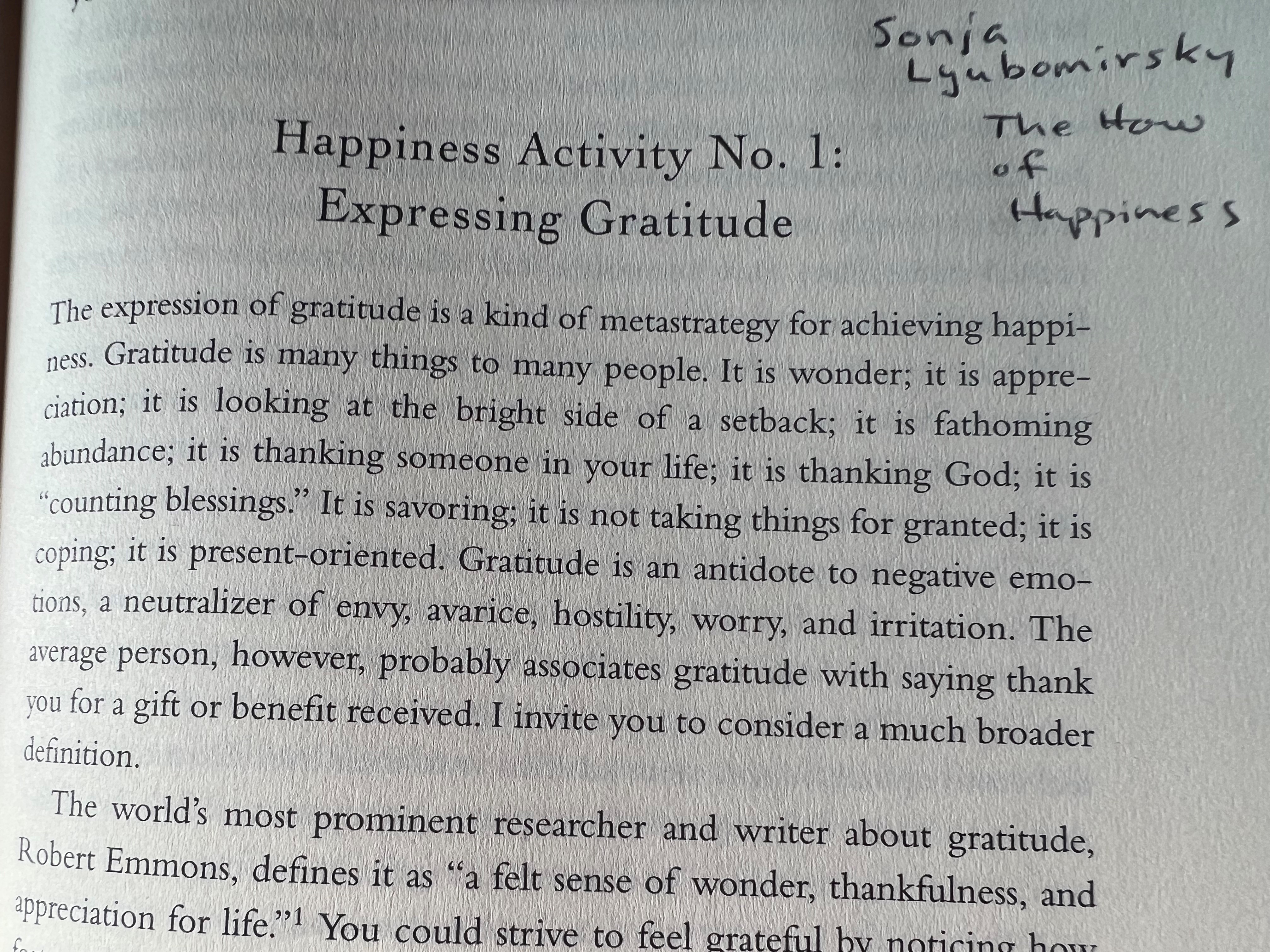
Here’s one example, from a book that offers teachers and school counselors ideas for how to apply positive psychology interventions in school settings.
In the summer of 2022, we held a Strengths-Based Suicide and Happiness retreat at Boulder Hot Springs in Montana. The food was excellent and well-worth savoring every nibble. Additionally, we encouraged all the participants to do approximately 1-minute videos focusing on a practice in their lives that they believe to be helpful to their happiness.
Here’s Charlie, talking about savoring his experiences as a one-man heavy metal band
Charlie — We Rip
I think these videos are incredible. I love what everyone says. . . and appreciate the participants, the messages, and the videographers. I find myself savoring these savoring videos.
Below, I’m including a few links to more of our retreat videos that, more or less, focus on savoring. They’re short, they’re cool, and I hope you watch, savor, and reflect on how you might do even more savoring in your life. Who knows, maybe you’ll even make your own social media video and share it with us and the world!
On TikTok, people often post challenges. A couple years ago, one of my former students reached out to me for a consultation because he was getting an unusual number of young clients reporting psychotic symptoms. Turns out there was a TikTok challenge to see if kids could trick their counselor or psychotherapist into thinking they were psychotic. This sort of “challenge” just turns me speechless.
But, no worries. I’m never speechless for long.
Today I’m issuing my own non-TikTok challenge. Along with wishing you all Happy Random Acts of Kindness Day, I’m challenging you to adopt an attitude of kindness.
Random Acts of Kindness Day has been celebrated since 1995. Although I love randomness and kindness, as some of you already know, I believe our efforts toward kindness should be more than just random. We should put value into being a kind person, have a kindness intention, and then be waiting and watching for kindness opportunities around every corner.
Just in case you want a copy of my “Intentional Acts of Kindness Homework Assignment,” here it is:
Good luck with the Intentional Acts of Kindness challenge. If you do something kind and feel an impulse to share it, please share it as a comment on this blog, or through your preferred social media platform.
And now, I present you with a kindness opportunity.
Hana Meshesha, one of our University of Montana doctoral students in counseling, is conducting a qualitative research study. I’m posting her call for participants below. If you or someone you know meets the criteria to participate in her study, please contact Hana. Her contact information is also below.
Hello!
My name is Hana Meshesha and I am a doctoral candidate in the Counselor Education and Supervision program at the University of Montana. I am conducting a qualitative research study on the experience and process of surviving from sexual trauma for individuals identifying as part of a minority/underrepresented group. My goal is to develop a framework to better support survivors of sexual trauma. This research is approved by the University of Montana Institutional Review Board #213-22.
If you experienced sexual trauma and identify as a part of a minority/underrepresented group based on your sexual orientation, gender, race, and/or ability status, I would appreciate your participation in this study. You are eligible for this study if you meet all of the following criteria:
Identify as a survivor of adulthood sexual violence and the sexual trauma is no longer intruding on your daily functioning
Have disclosed your experience to another person prior to participating in this study
Are 20 years of age or older
Identify as part of a minority/underrepresented group based on your gender, sexual orientation, disability status and/or race
Have not experienced childhood sexual abuse/trauma.
Participating in this study involves two 60-minute interviews focused on your process of surviving and healing from the experience of sexual trauma. If you are interested and willing, you will also be asked to share a poem, picture, song, or any artwork that represents your journey of surviving from sexual trauma. To participate or ask any questions related to this study, please contact me at hana.meshesha@umconnect.umt.edu or 406-303-1794.
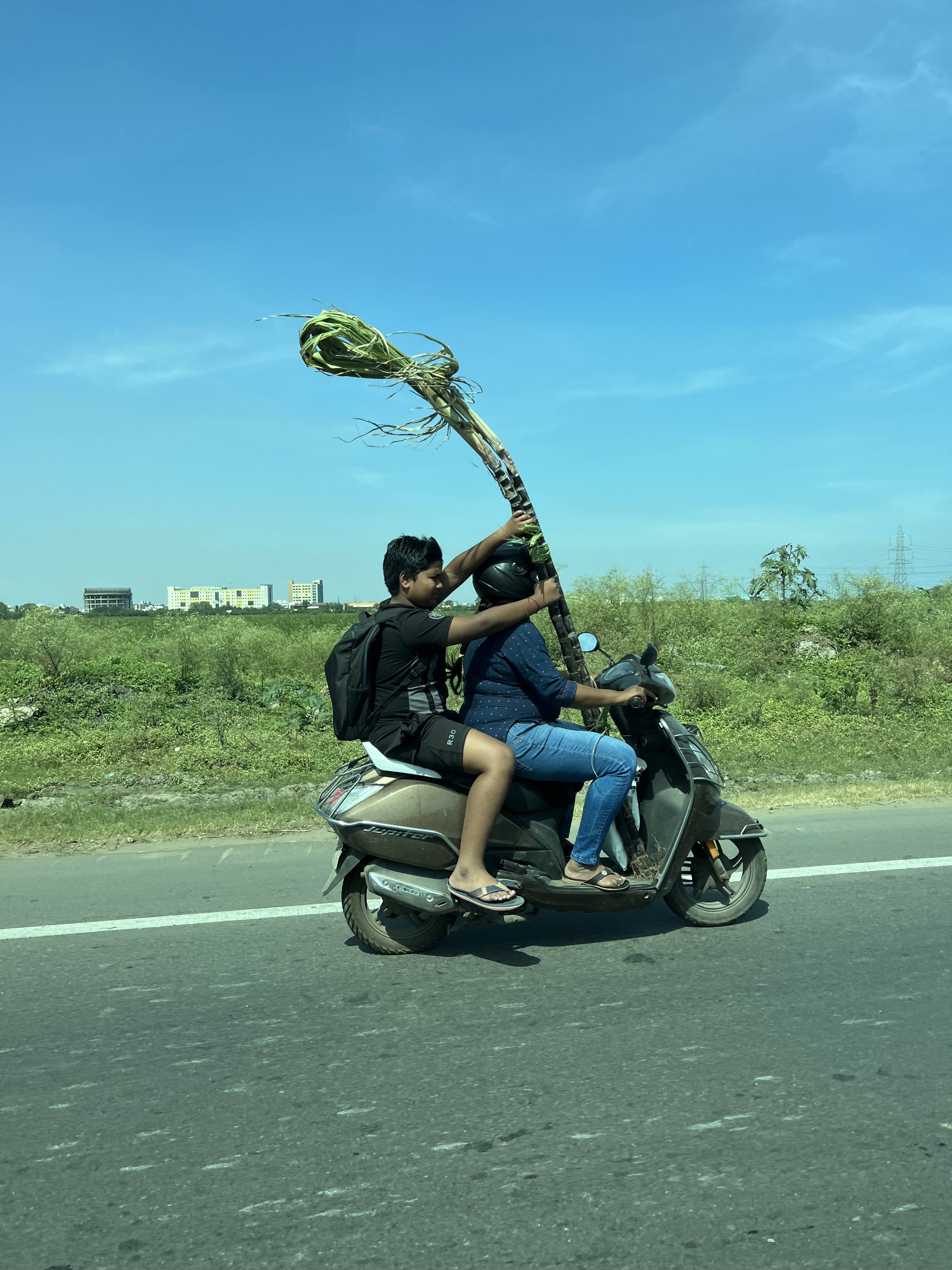
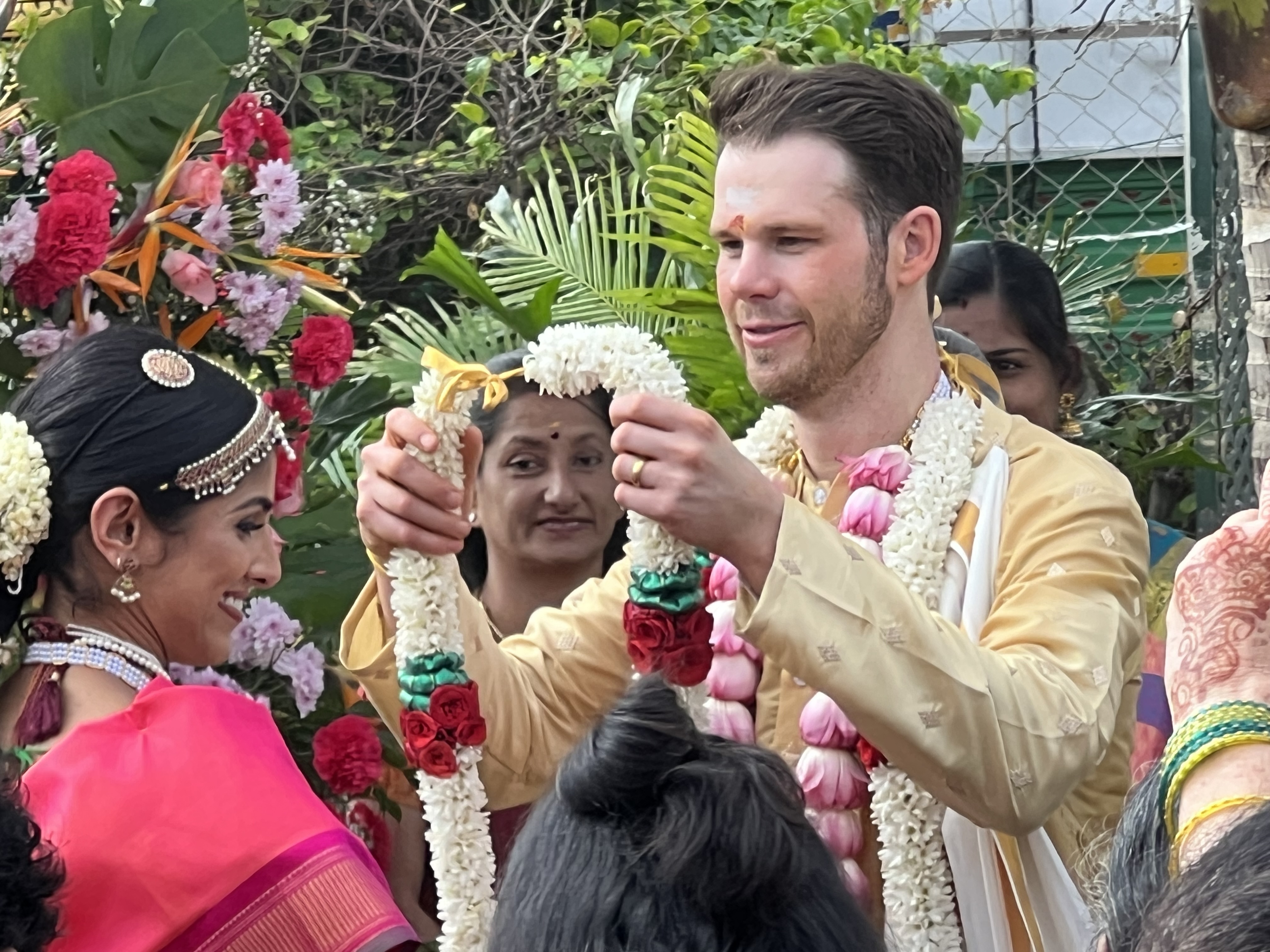
Last week I was dancing and singing in India at my nephew’s wedding. This week I’m jet-lagged in Missoula. But the afterglow continues.
Being at a wedding, it was hard not to think of my mother. She loved weddings and always wished for everyone to find love.
My sisters had similar thoughts. We reminisced and projected my mother into the scene of my nephew marrying an Asian Indian woman in a Hindu ceremony. We wished she could pop back into the world and join in.
Mostly, my mother was shy and insecure. She didn’t learn to drive until age 34. I often wished she had more confidence.
But there was one place where my mom found her voice, early and often. For mysterious and obvious reasons, she became anti-racist in the 1950s, before anti-racism was a thing. She delighted in visits from my father’s Japanese friend, Carl Tanaka. When a Black family moved onto our all-White dead-end suburban street, she was the first to greet them with welcome gifts. She then sat my sisters and I down, and told us with piercing clarity that we would ALWAYS treat every member of that family with nothing but respect and kindness. They quickly became our friends. I have great memories of hanging out with my friend Darrell, who was the closest to me in age and in school.
What I didn’t understand about my mom’s anti-racism—until last week—was that she also had a solution. My sisters told me that my mother’s favorite solution to all that ails the world was inter-racial, inter-cultural, and inter-religion marriage. Of course, I’m not naïve enough to think that any single strategy could solve racism, but last week, during a three-day Hindu marriage ceremony, I returned home transformed and preoccupied with the idea that we can and should love one another.
The internet tells me that love one another has Christian Biblical origins . . . and more. Here’s an excerpt from a site that discusses “love of neighbor” in Hinduism.
Love of the neighbor or the “other soul” is a fundamental requirement for a functioning Hindu who aspires for final liberation from this world. Any injury or insult inflicted upon the other soul is ultimately injury inflicted on oneself—or worse still, the higher being. Neighborly love is integral for one’s social existence in this world. The Anusana Parva (113:8) in Mahabharata encapsulates this wisdom and dictates that one should be unselfish and not behave toward others in a way that is disagreeable to oneself. [From: http://what-when-how.com/love-in-world-religions/love-of-neighbor-in-hinduism/]
The facts were that Stephen Klein married Sahana Kumar last week, in a beautiful coastal setting just south of Chennai, India.
In a marvelous stroke of luck, I happen to be Gayle Klein’s brother and Stephen’s Uncle John. Along with the dancing singing (which I may have overdone), I was completely taken by the intercultural love and acceptance. The Kumar family welcomed Stephen and all of us to be with them not only in the celebration, but in relationship. At the Sangeet, we were invited to dance a Bollywood and a Hollywood dance. We were terrible AND we were completely accepted. To be immersed in another culture, to learn about Hinduism, to experience glimpses of the Southern Indian cultural ways of being . . . was AMAZING.
In love and in relationship, we often fall short. It’s hard to love our politically different family members. It’s hard to love when we feel annoyed. Sometimes, as I heard the famous Julie and John Gottman say, it’s even hard to find the time and timing to love our romantic partners. But love is big and, thanks to my sisters and Stephen, Sahana, and the Kumars, I understand love a little better this week. The intent to love people who are different than us; the invitation to be in relationship across cultures and generations; the desire to be as loving as we can be . . . those are the ways of being my mom might be shouting from the heavens.
The place to click if you want to learn about psychotherapy, counseling, or whatever John SF is thinking about.


 John Sommers-Flanagan