Tammy, Dylan, and I are on our way to Polson, MT this morning to provide a 6-hour workshop on Counseling Youth.
The workshop title, “Tough Kids, Cool Counseling,” is a remnant of days gone by. Back in 1996, as Rita and I were driving from Missoula to Absarokee, we came up with that title, which we published as a book in 1997. The second edition came out in 2007.
For many years, we argued about who came up with what we considered a very nice title. I thought it was my idea. Rita thought it was hers. We were both equally shocked at each others’ claims. Have you ever had that experience with a romantic partner?
But, a few years after publishing the second edition, I gave up all claims to the title, because I suddenly realized that the title was neither nice nor cool. Constructing youth problems as “in them” was not good and not right. The title labeled the youth as “tough,” in essence, blaming them for their problems.
For the past two decades, I’ve seen youth problems differently. Now, I avoid using the phrase “Tough kids.” Instead, I advocate for framing the issues as “kids in tough life and personal situations.” I’ve decided that going to counseling is just another tough situation that many youth are forced into.
So why am I still using this title? I use it because I like to make the point–after using the phrase Tough Kids for the first five minutes–that I’ve stopped using it and that I won’t use it for the rest of the presentation and that we should all give it up together, and not even THINK about tough kids.
With that fun anecdote out of the way, I’m looking forward to a fun day of mutual learning with therapists who work for the Confederated Salish & Kootenai Tribes. And. . .here’s a pdf of the very long powerpoint slide deck.
I’m virtually in Vermont tomorrow doing an all-day-long workshop on working with so-called challenging youth in counseling and psychotherapy. We start at 8am Mountain Time . . . and 10am on the East coast. Here’s the link to register for the workshop for anyone who suddenly has found themselves with a wide open day. The cost is: $195.
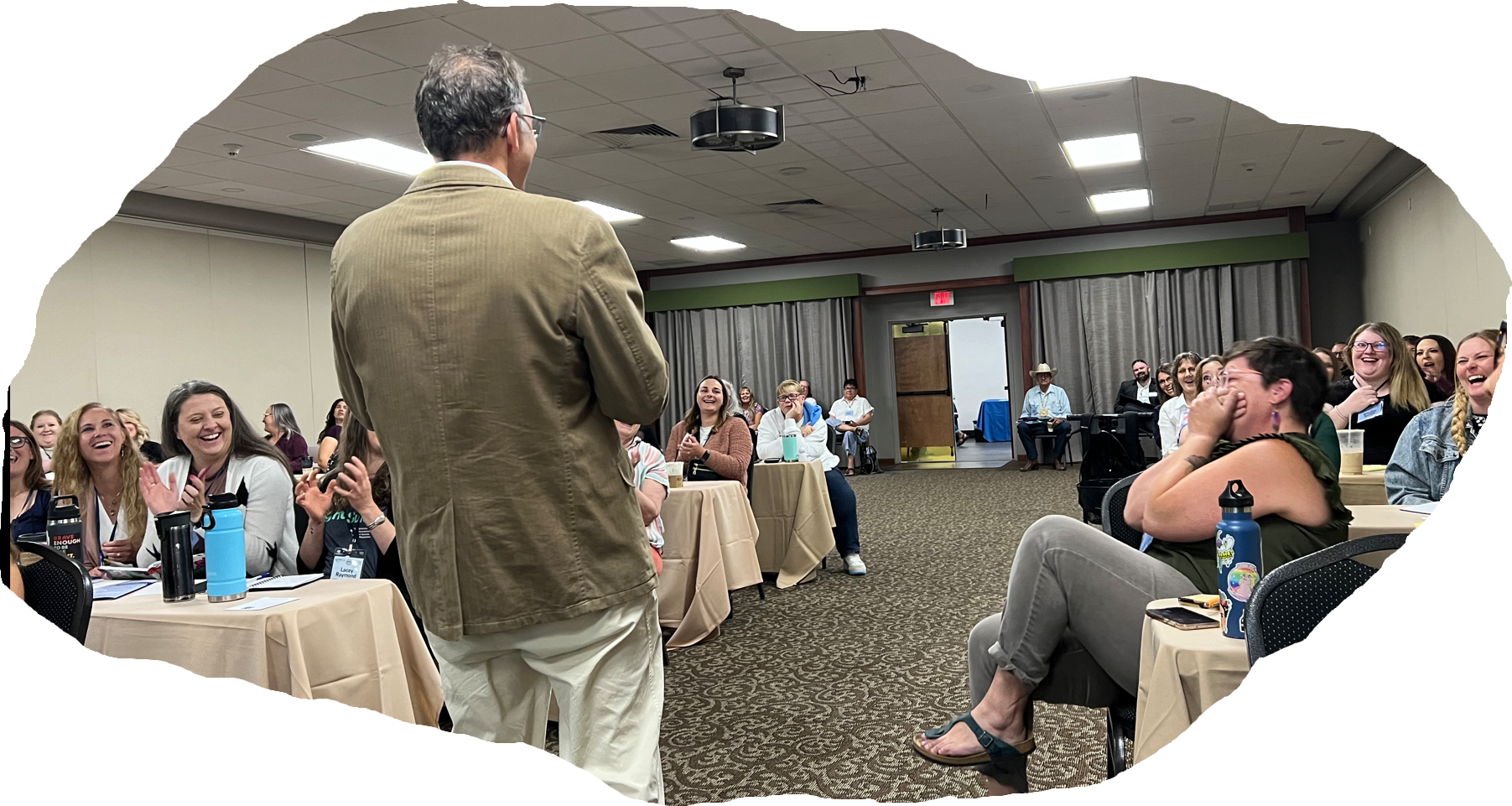
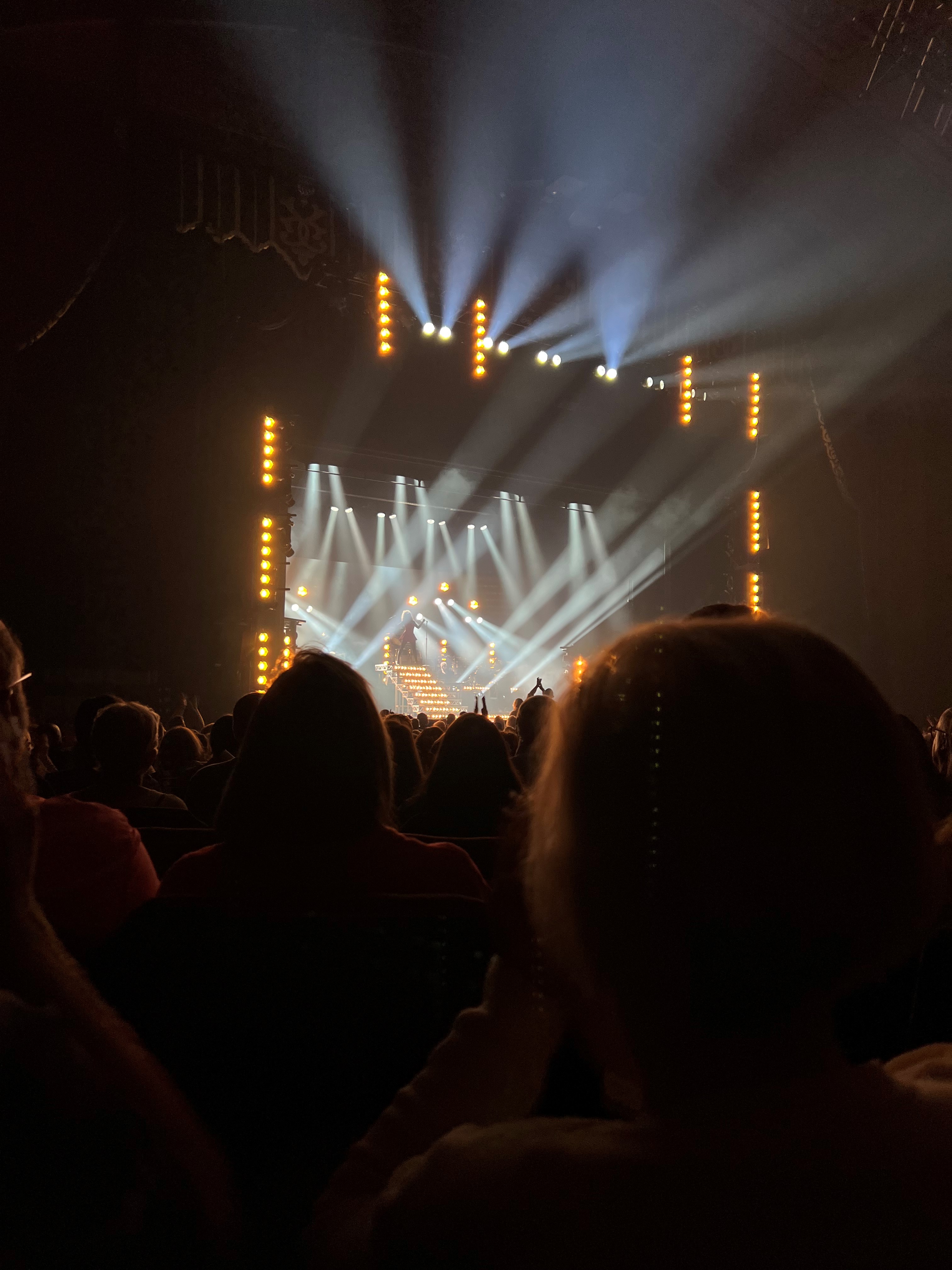
[I love the preceding photo because I’m doing a workshop on suicide in Billings, Montana, and despite the content, the participants are clearly having a good time]
Sometimes people ask me if I have presentations coming up. Other times they ask me about recent presentations. For reasons related to my own inability to be more organized and behave responsibly, I haven’t been very good at inserting “upcoming events” into my schedule, or at sharing links with readers about recent content that’s available online. Today’s post is my effort to address my irresponsibility.
September 11, 2024 – JSF presented a day-long ONLINE workshop, Conducting Parenting Consultations on behalf of Families First. Missoula, MT. Here are the ppts for the Parenting Consultation workshop:
September 26, 2024 – JSF presented a day-long IN-PERSON workshop, Tough Kids, Cool Counseling on behalf of Families First. Missoula, MT.
October 10, 2024 – JSF presented a day-long IN-PERSON workshop, Strengths-Based Suicide Assessment and Treatment on behalf of Tribal Health, Ronan, MT.
October 24, 2024 – JSF did an on-air guest interview on Evidence-Based Happiness for Teachers on a South Korean radio station. https://youtu.be/xYdJOInpAkE
November 6, 2024 – JSF presented on Let’s Pursue Happiness . . . Together (with our children) to the Washington Middle School Parent Teacher Association (PTA)
November 7, 2024 – JSF presented IN-PERSON on Why We Should Be in Pursuit of Eudaimonia (Not “Happiness”) for the University of Montana Alumni Association. Missoula, MT.
UPCOMING ACTIVITIES AND EVENTS
November 13 – JSF is presenting Let’s Pursue Happiness Together [In our schools . . . with our teachers . . . and for our children]ONLINE to the Montana Office of Public Instruction Montana Student Wellness Advisory Committee.
November 14 – JSF is presenting Happiness and You: Methods for Managing Your MoodsIN PERSON at the annual statewide Future Farmers of America (FFA) conference at MSU in Bozeman, MT.
December 4 – JSF is presenting a one-hour workshop on Strengths-Based Integrating Strengths-Based and Traditional (Medical Model) Approaches to Suicide AssessmentONLINE to the Professional Counseling Association of Montana. Link unavailable for now.
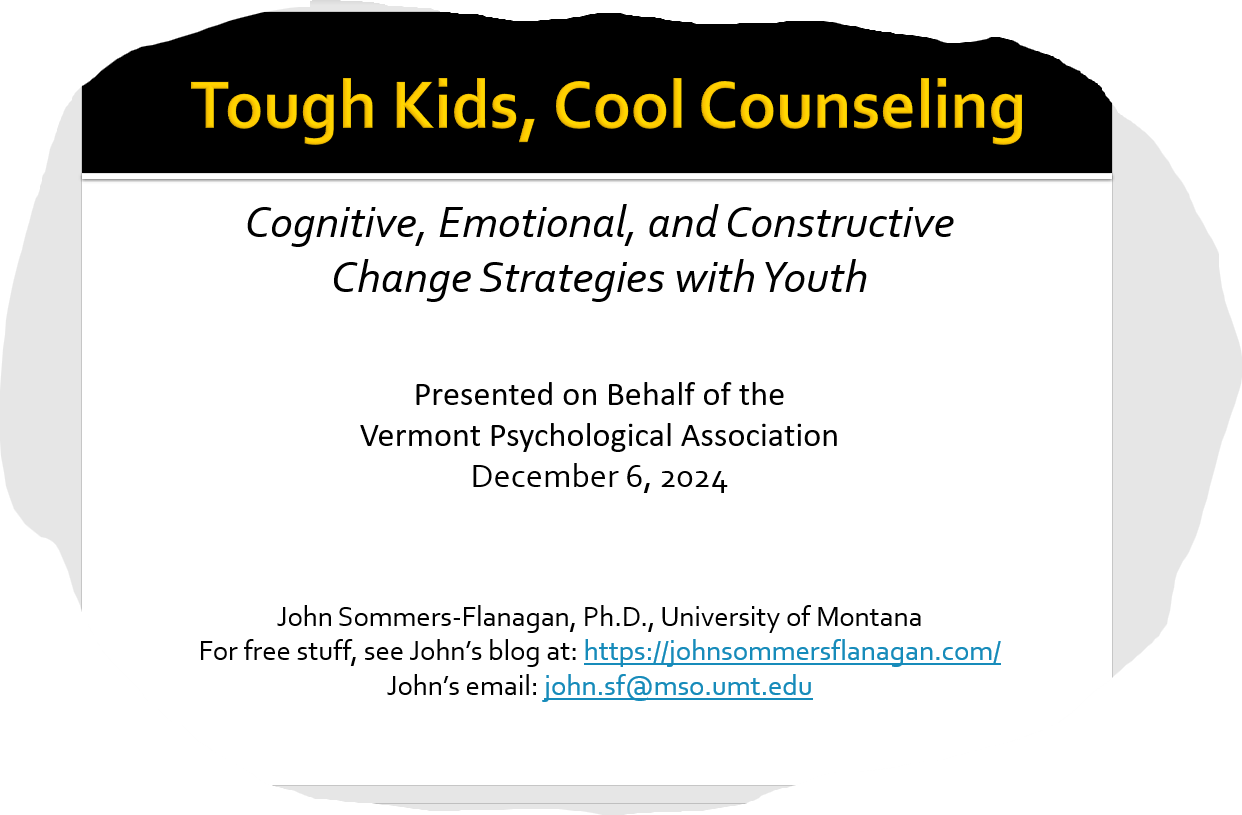
December 6 John Sommers-Flanagan is presenting an all-day ONLINE workshop for mental health professionals titled, Tough Kids, Cool Counseling, on behalf of the Vermont Psychological Association. Info is here: https://twinstates.ce21.com/speaker/john-sommersflanagan-2295709
January 10 – JSF is doing a 2-hour ONLINE workshop titled, Strategies for Integrating Traditional and Strengths-Based Approaches to Suicide, through the Cognitive Behavior Institute. You can register here for $25.00: https://www.pathlms.com/cbi/courses/77936#
Recently, I had the honor of presenting to Camp Mak-A-Dream residents (13-20 year-olds) on “Happiness and You.” To empower the residents—all of whom have experienced brain tumors—and resonate with the challenges of being human and having emotions, I shared the Three Step Emotional Change Technique. Then, I invited a volunteer to help me demonstrate how sometimes our brains can trick us by immediately providing the wrong answer to a question. A marvelous young man named Brandon stepped up and volunteered.
Here’s the video link, as recorded by Alli Bristow, last year’s Montana School Counselor of the Year (you can hear her reactions, which are pretty fun too):
You can watch the video, but I’m also sharing a description and rationale for the activities below.
The Riddle Activity
You’ll see me asking Brandon to respond to three riddles. I manage to trick him with the first one. For the second one, he’s briefly fooled, and then catches himself and gives the right answer. On the third, he pauses and gets the right answer the first time.
Why This Activity
I’ve used riddles like these in individual counseling with youth and in group presentations (as illustrated in the video). The riddle activity is all about a basic cognitive therapy message: If we go with our automatic thoughts, without pausing and evaluating them, we can be wrong. However, if we pause to evaluate the situational context and our reactive thoughts, sometimes we can override our automatic and possibly maladaptive impulses (Aaron and Judy Beck would be proud).
The Next Lesson
In the video, you only see Brandon and me doing the riddles. He’s great. When I’m doing this presentation (or using it in counseling) after the riddles, I immediately give the youth a situational example. I say something like, “Okay. Now let’s say I go to the same high school as Brandon, and I know him, and I’m walking by him in the hall at school. When I see him, I say ‘Hi Brandon!” But he just keeps on walking. What are my first thoughts?”
Whether I’m working with a group or with individuals, the young people are usually very good at suggesting possible immediate thoughts. They say things like: “You’re probably thinking he doesn’t like you.” Or, “Maybe you think he’s mad at you.”
At some point, I ask, “Have you ever said hello to someone and have them say nothing back?” There are always head nods and affirming responses.
Way back in our “Tough Kids, Cool Counseling” book, Rita and I wrote about the typical internalizing and externalizing responses that people tend to have in reaction to a possible social rejection. The internalizing response is depressed, anxious, and self-blaming. Internalizing thoughts usually take people down the track of “What did I do wrong” or “What’s wrong with me?” Alternatively, some youth have externalizing thoughts. Externalizing thoughts push the explanation outward, onto the other person. If you’re thinking externalizing thoughts, you’re thinking, “What’s wrong with him?” or “That jerk!” or “Next time, I’m not saying hi to him.” Back in the day, Kenneth Dodge wrote about externalizing thoughts in adolescents as contributing to aggression; he labeled this cognitive error “the misattribution of hostility.”
In counseling and in group presentations, the next step is to ask for neutral and non-blaming explanations for why Brandon didn’t say hello. The youth at Camp Mak-A-Dream were quick and efficient: “He probably didn’t hear you.” “Maybe he was having a bad day.” “He could have had his earbuds in.” “Maybe he was feeling shy?”
What’s the Point?
One goal of these activities is to help young people become more reflective and thoughtful. My neuroscience enthralled friends might say I’m working their frontal lobe muscles. I basically agree that whenever we can engage teens with thoughtful and reflective processes, they may benefit.
But the other goal may be even more important. Although I want to teach young people to be thoughtful, I also want to do that in the context of an engaging, sometimes fun, and interesting relationship. For me. . . it’s not just teaching and it’s not just learning. It’s teaching and learning in the crucible of a therapeutic relationship. As one of my former teen clients once said, “That’s golden.”
I’ll be online in about 75 minutes to present a workshop for the TexChip folks from TAMU-CC. The title of the workshop is: “Tough Kids, Cool Counseling: Strategies for Engaging and Influencing Youth.”
Here’s the link to the workshop . . . where the CEUs are free!:
You may be aware of the irony in the workshop title. . . which is the fact that very soon into the workshop I tell everyone that we should never even “think” the words “Tough kids.” The reason we drop the terminology “Tough kids” is because it blames and labels the young people with whom we’re working, and they may sense that. Instead, all we have are “Kids in tough situations” and one of the tough situations is being in counseling or therapy.
Whether I’ll see you in 75 minutes or not, here are the ppts:
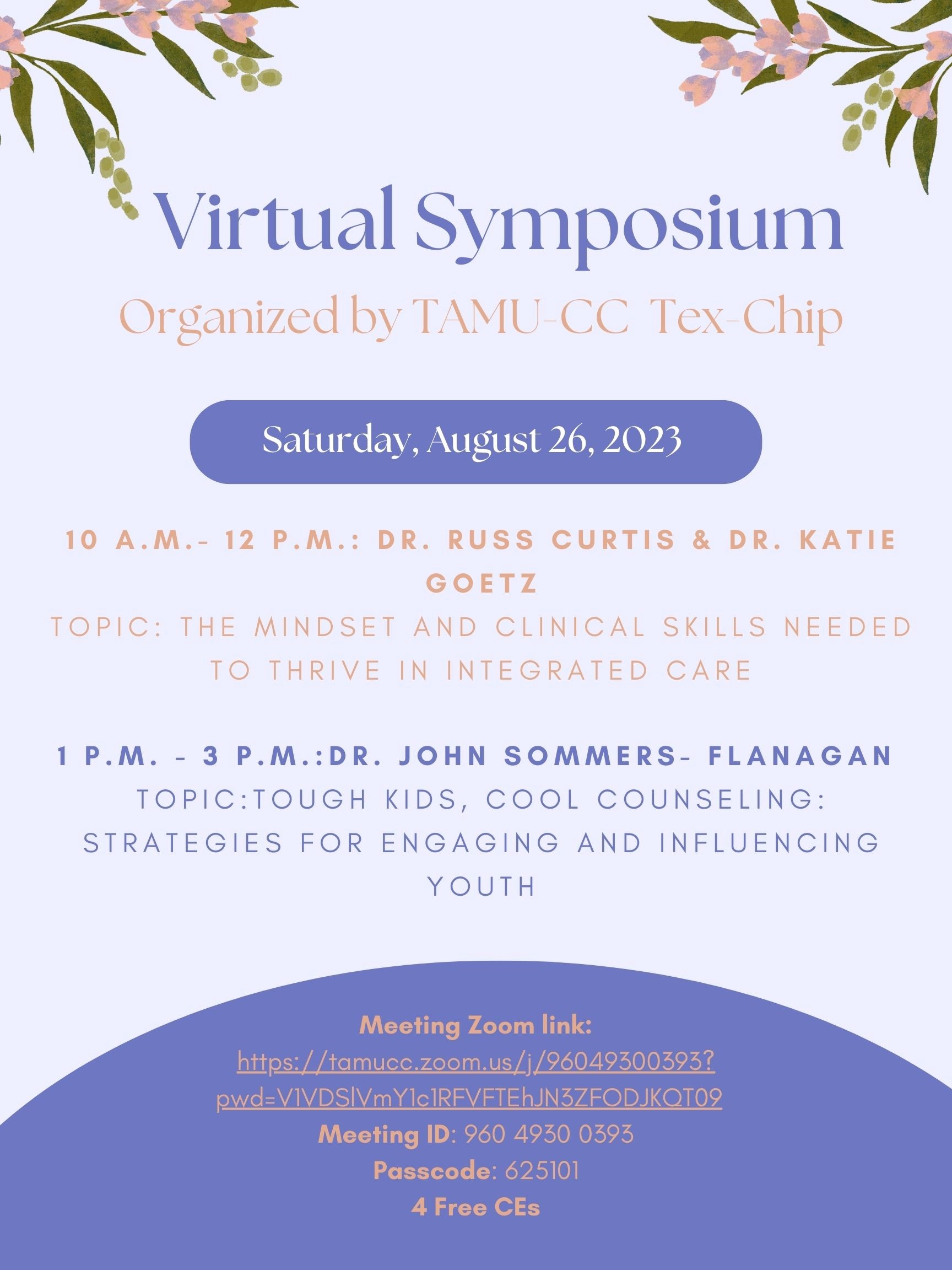
As a part of a virtual symposium offered by Texas A&M University – Corpus Christi, this coming Saturday, August 26, I’m doing a 2-hour free continuing education workshop from 12-2pm Mountain time (2pm-4pm Eastern). The cool thing is that the CEUs for this workshop are FREE. The less cool thing is that the workshop is on a Saturday.
My talk is: Tough Kids, Cool Counseling: Strategies for Engaging and Influencing Youth. Even better, I’ll be preceded by Dr. Russ Curtis and Dr. Katie Goetz (9am-11am Mountain time), who are presenting a 2-hour workshop on The Mindset and Clinical Skills Needed to Thrive in Integrated Care. . . and that’s 2 more FREE CEUs.
Below, I’ve pasted the blurbs and Zoom information for these online workshops.
You are invited to join Tex-Chip Virtual Symposium on Saturday, August 26, 2023, at 10am – 3pm (CST).
Dr. Russ Curtis & Dr. Katie Goetz is scheduled to present from 10am – 12pm CST on “The Mindset and Clinical Skills Needed to Thrive in Integrated Care.” In this interactive presentation, participants will learn how to integrate clinical skills with enlightening philosophical premises to expand their understanding of providing inclusive whole-person care. Attendees will develop their clinical voice through lecture, case examples, and discussions to begin asking the right questions about how to provide next-generation integrated care.
Dr. Sommers-Flanagan is scheduled to present from 1pm – 3pm CST on “Tough Kids, Cool Counseling: Strategies for Engaging and Influencing Youth.” Engaging “tough kids” in behavioral health can be immensely frustrating or splendidly gratifying. The truth of this statement is so obvious that the supportive reference, at least according to many teenagers is “Duh!” In this 2-hour workshop, participants will learn, experience, and practice several strategies for engaging and influencing youth. Several cognitive, emotional, and constructive brief counseling techniques will be described and demonstrated. Examples include acknowledging reality, positive questioning, wishes and goals, the affect bridge, the three-step emotional change trick, what’s good about you?/asset flooding, and more. Essential counseling principles, countertransference, and cultural issues will be included.
I’ve said it before and I’ll say it again: I have a friend who repeatedly espouses the glories of redundancy. Maybe that’s why some politicians stay on-message, regardless of the veracity of their statements. Of course, George Orwell and Hannah Arendt also commented on redundancy as persuasion, and not in a good way. I should emphasize that my goal for using redundancy and writing about the three-step emotional technique again has nothing to do with shaping your reality through political messaging.
When I presented on positive psychology to a bunch of UM STEM graduate students back in August, 2022, I made it very clear that I was not advocating toxic positivity. Nevertheless, in one of the student evaluations, someone complained that all I was doing was telling graduate students to “Cheer up.” Oh my. Sometimes people just hear what they want to hear. That’s a problem with over-valuing “lived experience.” When we over-value lived experience, then everything is viewed through our own, usually narrow and biased, personal lenses. Adler called this private logic. Too much private logic is too much private logic. Although we should strive to value, learn from, and share lived experiences, we should also have a shared value of this thing called . . . wait for it . . . science!
The next time I presented to the UM STEM grad students (in January, 2023), I made an explicit point of emphasizing my “non-toxic positivity street cred” by beginning the lecture with a short lesson on the three-step emotional change trick (which, BTW, with inspiration from Alfred Adler and Harold Mosak, we created as a youth psychotherapy technique in the mid-1990s). You can even find our (with Rita) original three-step article here: https://www.tandfonline.com/doi/abs/10.1300/J019v17n04_02 and a later book chapter here: https://psycnet.apa.org/record/2002-01308-098 and, of course, I’ve written about it on this blog, and have a youtube video demonstration: https://www.youtube.com/watch?v=ITWhMYANC5c, yada, yada, yada.
While presenting the 3SECT (which is what cool people call it) to the STEM students, there was a woman sitting toward the back. She had stationed her 8-year-old son still farther back, where he was sitting, head down, playing on her phone. I did the 3SECT thing, including the famous “And so I put my cat on my head” scene, emphasizing throughout, that the WHOLE reason for the 3SECT existing was because we should NEVER SAY CHEER UP to anyone, anytime!
The next day, I received the following email from the anonymous woman in the back (who generously gave me permission to share it here):
Hi John,
I was at your happiness seminar yesterday and was very disappointed I had to leave early. You may have noticed my son (who is 8) was sitting in the back playing a game on my phone during the seminar. I was delighted to find out this morning, while my 6-year-old daughter was having a meltdown trying to do her hair for school, that my son had been listening and absorbed your 3-step emotional change trick. He remembered the whole thing, and he asked his sister this morning if she wanted to learn it, but only if she wanted to change her own mood. He was clear that it wasn’t because he was trying to tell her to cheer up. He heard it all yesterday! Thought you might enjoy that little anecdote.
A few days later, she wrote:
We have gotten a lot of mileage out of your emotional change trick in the last few days.
I have to admit, I absolutely love it when people listen and get the message, but I truly and deeply love it EVEN MORE when 8-year-olds absorb messages while allegedly playing on a cell phone. I believe this may just be the scientific evidence (or is it my lived experience) I needed to validate that I am not and never have been a proponent of toxic positivity.
One other notable note. When searching (via Google) for my very own 3SECT video, I found that a counselor in Tennessee has copied one of my three-step blog posts and posted it as his own blog post. I was gobsmacked—with annoyance and flattery in equal proportions. If you want to read the blog post worthy of plagiarism (not the plagiarist’s version, which is the same, but my version that was so darn tempting that it literally caused plagiarism, here you go: https://johnsommersflanagan.com/2020/04/15/the-three-step-emotional-change-technique/
I’m ending now with a few core messages:
Don’t say “cheer up” to anyone.
Don’t get too over-focused on your own lived experiences, because, after all, everyone has their own lived experiences, and we should complement them all with scientific knowledge.
Don’t plagiarize.
If the person you plagiarized emails you, asking you to stop plagiarizing or provide a citation, don’t ignore that person.
And, whenever appropriate, follow in the anonymous 8-year-old’s footsteps and spread the good mood – without saying cheer-up!
In 1990, when I moved back to Missoula, Montana to join Philip and Marcy Bornstein in their private practice, my goal was to establish a practice focusing on health psychology. I believed deeply in the body-mind connection and wanted to work with clients/patients with hypertension, asthma, and other health-related conditions with significant behavioral and psychosocial components.
Turns out, maybe because I was the youngest psychologist in town, all I got were referrals from Youth Probation Services, Child Protective Services, local schools, and parents who asked if I could “fix” their children’s challenging behaviors.
I’d say that I made lemonade from lemons, but it turns out I LOVED working with the so-called “challenging youth.” There were no lemons! The work led to our Tough Kids, Cool Counseling book (1997 and 2007), along with many articles, book chapters, and demonstration counseling videos. Over the years I’ve had the honor of working extensively with parents, families, youth, and young adults.
In about 10 days, I’ll be in Ypsilanti, Michigan doing a full-day professional workshop on “Tough Kids, Cool Counseling.” If you’re concerned about the title, don’t worry, so am I. In the first few minutes of the day, I’ll explain why using the terminology “Tough Kids” is a bad idea for counselors, psychotherapists, and other humans.
Just in case you’re in the Eastern Michigan area, the details and links for the conference are below. I hope to see you there . . . and hope if you make the trip, you’ll be sure to say hello to me at a break or after the workshop.
When: Friday, March 10, 2023, 8:30 AM – 5:00 PM EST
Where: Eastern Michigan University Student Center, Second Floor – Ballroom B Ypsilanti, MI 48197
Counseling so-called “tough kids” can be immensely frustrating or splendidly gratifying. The truth of this statement is so obvious that the supportive reference, at least according to many teenagers is, “Duh!” In this workshop, participants will sharpen their counseling skills by viewing and discussing video clips from actual counseling sessions, discussing key issues, and participating in live demonstrations. Attending this workshop will add tools to your counseling youth tool-box, and deepen your understanding of specific interventions. Over 20 cognitive, emotional, and constructive counseling techniques will be illustrated and demonstrated. Examples include acknowledging reality, informal assessment, the affect bridge, the three-step emotional change trick, asset flooding, empowered storytelling, and more. Four essential counseling principles, counselor counter-transference, and multicultural issues will be highlighted.
Last week I had the honor of presenting three times at the American Counseling Association meeting in Atlanta. Today, I’m posting the Abstracts and Powerpoints from those presentations, just in case someone might find the information useful.
On Friday, April 8: The way of the humanist: Illuminating the path from suicide to wellness. Invited presentation on behalf of the Association for Humanistic Counseling.
At this moment, counselors are hearing more distress, anxiety, and suicidal ideation than ever before. In response, we are called to resonate with our clients’ distress. On behalf of the Association for Humanistic Counseling, John Sommers-Flanagan will describe how humanistic principles of acceptance and empathy can paradoxically prepare clients to embrace wellness interventions. Participants will learn five evidence-based happiness strategies to use with their clients and with themselves.
Also, on Friday, April 8: Using a strengths-based approach to suicide assessment and treatment in your counseling practice. Invited presentation on behalf of ACA Publications.
Most counselors agree: no clinical task is more stressful than suicide assessment and treatment planning. When working with people who are suicidal, it’s all-too-easy for counselors to over-focus on psychopathology and experience feelings of hopelessness and helplessness. However, framing suicidal ideation as an unparalleled opportunity to help alleviate your client’s deep psychological pain, and embracing a strengths-based orientation, you can relieve some of your own anxiety. This practice-oriented education session includes an overview of strengths-based principles for suicide assessment and treatment.
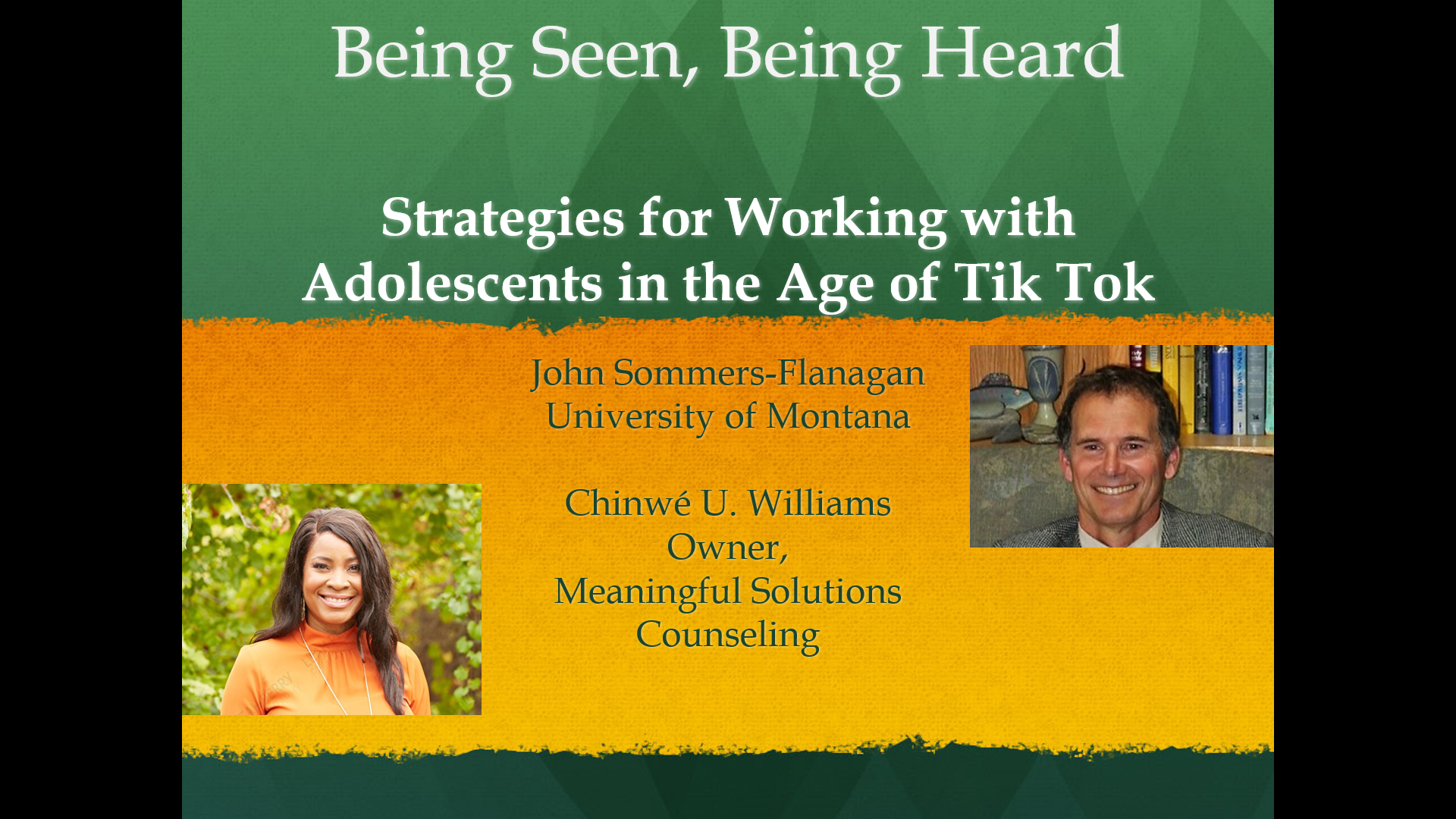
On Saturday, April 9, Being seen, being heard: Strategies for working with adolescents in the age of Tik Tok. Educational presentation (with Chinwe Williams).
Counseling and connecting with adolescents can be difficult. In this educational session, we will present six strategies for connecting with and facilitating change among adolescents. For each strategy, the co‐presenters, coming from different cultural and generational perspectives, will engage each other and participants in a discussion of challenges likely to emerge when counseling adolescents. Social media influences, self‐disclosure, and handling adolescents’ questions will be emphasized.
Today I’m spending all day with the Youth Homes staff in Missoula . . . talking about strengths-based approaches to suicide. Should be fun, or at least as fun as a day of talking about suicide can be . . . Happy Friday, and here are the ppts!


 John Sommers-Flanagan