

Why should you know about the Mental Health Academy’s annual Suicide Prevention summit?
It’s big. There are luminaries (e.g., David Jobes, Stacey Freedenthal, and Rory O’Connor). It’s free. And the MHA is an amazing Australian-based organization that gives as good as it gets. On their website, they report:
Supporting local initiatives
Through partnering with leading organizations around the world, we’ve been able to support local initiatives we’re passionate about, including helping prevent child abuse and suicide, expanding mental health services to communities in need, and more.
$1.7M given since 2009
As a part of the annual Suicide Prevention Summit, this coming Sunday, at 10:30am Eastern, August 23, 2026, I’ll be presenting. My talk is titled: “The Bad News Brain: Five Psychological Truths on Why It’s So Damn Hard to Focus on the Positive.”
Did I mention that this whole summit is free? You can get up to 20 CEUs. You can also pay $20 to have access to session recordings until October 18.
Here’s a link to the whole schedule, which begins Wednesday, August 19 at 7pm Eastern, with a presentation by David Jobes. In case you don’t know, Jobes is awesome.
https://d9hv9sikl36u8.cloudfront.net/documents/MHA-USA-SPS-2026-Schedule-V1.pdf
Not only is the live version of this event free, all the presenters also present for free.
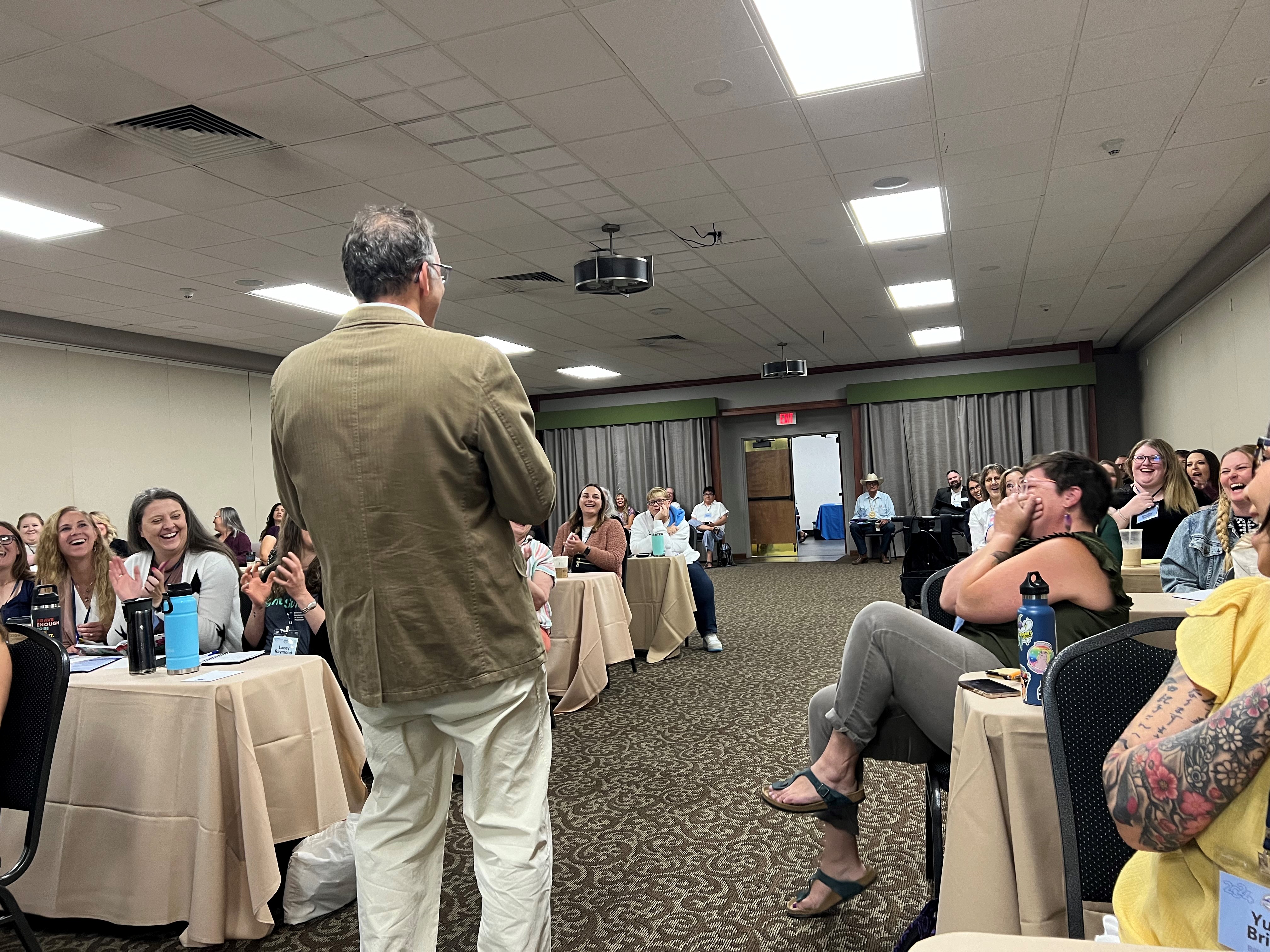
Sometimes, when presenting online to large groups, like the Summit, it’s hard to know how the presentation is being received. This is especially true for webinar-style presentations where there’s no interaction other than the “chat feed.” The problem with using the chat feed for feedback is that it’s overwhelming. Trying to split my attention between doing my talk and reading participant comments requires repeated figure-ground shifts that render my brain dysfunctional. Consequently, I only focus on talking, ignore the feed, and wait for the illustrious Pedro Gondim to facilitate Q&R during the final 10 minutes.
Last time I presented at the Summit, a very kind, smart, and talented mental health professional I know happened to be in attendance. She wrote me a very short Dear John email:
See attached!
I have never seen anything close to this in terms of the outpouring of appreciation for you.
All by itself, her email made my day. But she also attached the chat feed. I opened it and found a gift of 449 amazing comments. I was stunned and humbled.
This blog post is a reminder that you can still sign up for the Summit. MHA will use a portion of the funds they generate from the $20 registrants to give back to local communities. I hope to see you there—even though I won’t really see you.
Just in case you’re curious, here’s a link to the whole 449 chat feed responses (with last names of commenters deleted).
 John Sommers-Flanagan