No one has excellent judgment when sleep deprived and so no one should expect to have excellent judgment when sleep deprived. I’m making this bold claim based on my recent personal experience of writing and posting last week’s blog titled, “Sleep Well.” Sometimes I write late at night. That’s great for the muse and creativity; it’s less great for me remembering what the heck I was planning to write. I start writing. . . I finish writing. . . and sometimes I stay with my focus, while other times, well, I forget the whole point.Last week, my main reason for writing a blog on sleep was to link readers to a specific sleep podcast. However, because I was doing my late-night writing thing, by the time I finished it, I completely forgot to mention the podcast or include the link. Has this sort of thing ever happened to you? My guess is that, if it does, it happens more often when you’re sleep deprived, than when you’re sleep restored. Now, after a nice weekend of restorative sleep, here’s info and the link to the podcast.The podcast is called “All things Vagus.” I confessed to the host (Kathy Mangan, who is great) that I was scientifically opposed to “polyvagal theory” but she still let me on the show. That’s an example of how great she is. Here’s the description for the April 3, 2023 episode, titled: Sleep Well, Be Well: Why talk about sleep? It is important to our health, so we need to get clear on the types of insomnia and how we can cope with distress and anxiety that might be disrupting our rest.The link: https://allthingsvagus.fireside.fm/10P.S.: This is a 42-minute podcast episode, which makes it a nice length to go along with the workout you should be doing every day to optimize your sleep. And if you optimize your sleep, you’re more likely to remember what you’re writing about.
When it comes to literally everything, knowledge is power. The more we know and the more we understand, the better we’re able to cope with—as Alfred Adler used to say—the tasks of life. One very important task of life is to sleep well.
In September, 1975, I went to college for one reason: to play college football and baseball. Going to class and learning anything was required for me to be able to do what I wanted to do. So, I went to class and I played sports.
Being away from the structure of home and family, I didn’t sleep well. Then, several months into my college career, I started having what I considered “Very weird experiences.” I didn’t tell anyone about those experiences, because they were weird and I was a young male and unaccustomed to being open with others about any of my private experiences. The very weird experiences just kept on happening.
The experiences happened as I tried to nap (on the floor, or a couch, a bed, or wherever I was). While dropping off to sleep, or waking up, I would start to hear what sounded like loud static. The static was bad and weird on its own, but then I discovered I couldn’t move, which was especially disturbing because I began seeing the shape of an ominous figure standing at the end of my bed, or couch, or in the doorway. I had to just lay there in panic because, of course, I was paralyzed.
Eventually, I would completely wake up, be able to move, and discover no one was in my room. And eventually, maybe because I adjusted to college or started sleeping better, the very weird experiences stopped. But, while they were happening, I searched my mind for explanations.
Because there was no Internet and no Google back then, I relied on what was in my brain. But basically, I had nearly nothing in my brain. Remember, I was interested in sports, not knowledge. . . and I was a bit averse to doing anything rational, like going to the library or consulting a professional. Consequently, being a meaning-making creature, I created two hypotheses, basically out of thin air.
Hypothesis #1: I was about to be possessed by a demon.
Hypothesis #2: I might be developing psychic powers.
There was no hypothesis #3. My mind bounced from hypothesis 1 to hypothesis 2, and back again.
Funny thing. In the early 2000s, I happened to be reading the Diagnostic and Statistical Manual of Mental Disorders and found a section that described a phenomenon called, “Sleep paralysis.” I was, as they say, gobsmacked. The description was EXACTLY my experience, including the frightening and shadowy figure at the end of the bed.
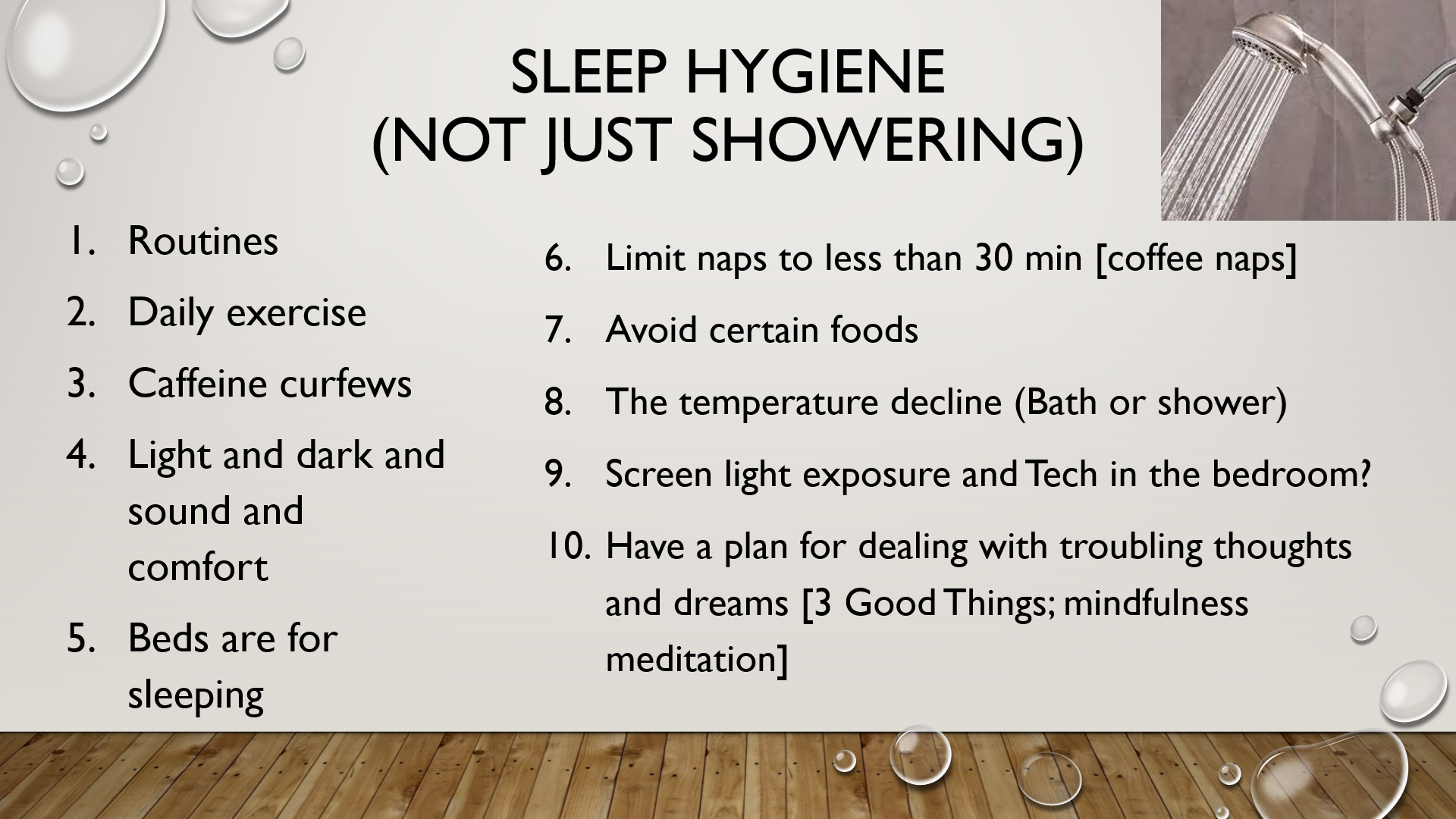
My point is that it’s good to know stuff in general, and good to know specific stuff about our own experiences around mental health and. . . including that thing we call insomnia. I’ve posted before about insomnia (https://johnsommersflanagan.com/2012/05/23/insomnia/). I will also post more soon, but for now, I’m just sharing the “sleep hygiene” slide from my happiness and sleep lectures.
Sleep hygiene is a thing. I’ve got lots of funny and snarky things to say about sleep hygiene. Maybe the most important is that sleep is an elusive little bugger. What I mean by that is that sleep comes somewhat easier when we stop trying too hard, and often runs away when we’re feeling especially desperate to get some good sleep. The other piece of important information is that having sleep disruptions and not sleeping the magical 8 hours is pretty darn normal. Many or most people have regular sleep disruptions. And, fun fact, expecting that you should get 8 hours of sleep every night can get in your head and interfere with you getting 8 hours of sleep a night.
For now, here’s the famous sleep hygiene powerpoint slide (below). More to come (later) on tricks and techniques for sleeping well. Thanks for reading.
During a couple of my presentations at the ACA conference in Toronto (pictured above) I wasn’t able to fit in some short demonstration videos. To address my time management problems, I’m posting links to them here, along with a short description. Note: All of the videos for suicide demonstrations are non-scripted simulations.
Video 1: An example of an opening of a session with Kennedy, a 15-year-old cisgender white female with a history of suicidal ideation. Key things to watch for include how I immediately mention suicide, focus on sources of distress in Kennedy’s life, and acknowledge things I know and things I don’t know. If we think about emotional distress (aka Shneidman’s psychache) as contributing to suicidality, contemplate what you think is the driver of Kennedy’s feelings of suicidality. The link: https://www.youtube.com/watch?v=gR7YU0VrHqw&t=5s
Video 2: An example of me closing the session with Kennedy using Stanley & Brown’s (2013) Safety Planning Intervention. As always, I’m not perfect in the video, but it shows a process during which I’m trying to cover the safety planning categories in an interpersonally engaging and pleasant manner. The link: https://www.youtube.com/watch?v=jd7PM9HFDO4&t=10s
Video 3: I’m working with Chase, a 35-year-old Gay cisgender male. In this video, I try to get Chase to see a potential pattern of him being suicidal in response to bullying in the past and being interpersonally invalidated in the present. Chase dismisses my “light interpretation” with something like, “That’s the hand I was dealt.” Again, although I’m imperfect in this video, I do take the hint and shift from an abstract interpretation to a concrete assessment process I call the “Social Universe.” During that process, it becomes clear that Chase is spending too much time with “toxic” people in his life and not much time with people who accept him. Additionally, he presents as quite depressed and unable to come up with anyone “validating” and so I shift to a process called, “Building hope from the bottom up” by asking him, “Who’s the least validating or most toxic?” Chase responds pretty well to a process that starts at the bottom or most negative place.” The link: https://www.youtube.com/watch?v=UNBR3bKyE4I&t=7s
Thanks to everyone who attended the ACA conference, for being the kind of professionals who are pursuing awareness, knowledge, and skills in order to be more effective in helping others life meaningful lives. I was humbled by your engagement with the learning process.
This morning in Toronto I’m talking about happiness. That means I’ll be singing at the end of the presentation . . . which may make you feel better about missing this particular event.
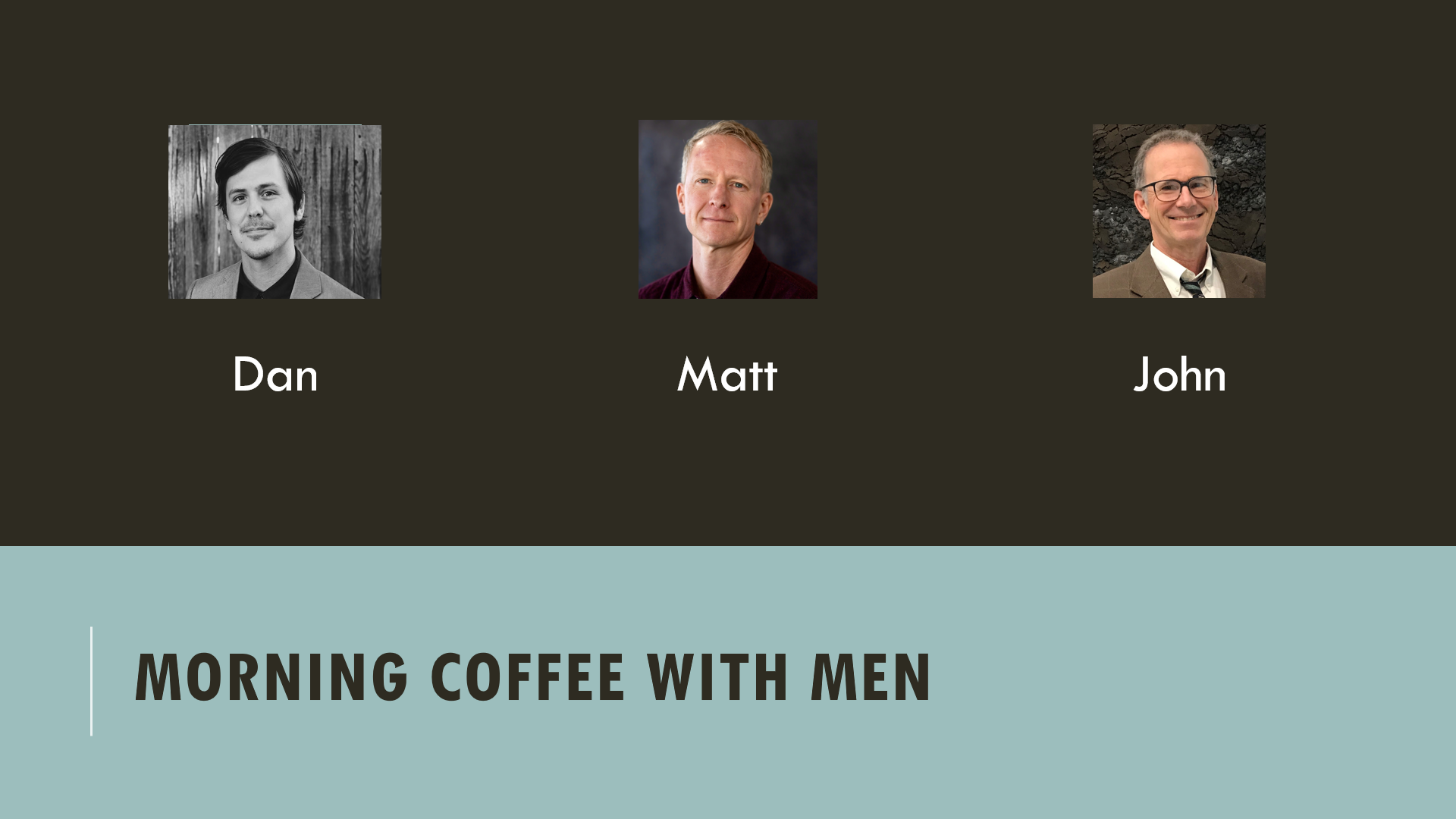
Tomorrow morning, March 31, 2023, at 8am, I’m co-presenting with Matt Englar-Carlson and Dan Salois on suicide and happiness with men at the American Counseling Association World Conference in Toronto.
Here’s the session blurb:
Men and boys account for nearly 80% of all suicide deaths in the U.S. Factors contributing to high suicide rates include: constricted emotional expression, reluctance to seek help, firearms, alcohol abuse, and narrowly defined masculinity. In this educational session, we will use a case demonstration to illustrate suicide assessment counseling methods to help boys and men liberate themselves from narrow masculine values, while embracing alternative and meaningful paths to happiness.
If you’re in Toronto, I hope to see you there. . . and for anyone interested, here’s the Powerpoint presentation:
I’m really not sure what’s happening with WordPress, but because of tech and formatting issues, this is my third effort to post this blog. Now, I’m trying an approach that requires me to separately copy and paste each paragraph into this post. I used to be able to paste the whole document and it worked just fine. Now, if I do that, it makes all 10 paragraphs into one long paragraph and I look technologically even dumber than I am. Next month, WordPress will likely make me copy and paste the blog word by word.
You may be wondering, “How are you doing John?”
I think I’ll pass on answering that for now because WordPress is now graying out each sentence I type as soon as I press “enter.” And it’s repeating some short paragraphs and even though I delete them and they appear to be gone, when I try to publish this, the deleted paragraphs re-appear. I don’t know what any of this means other than WordPress must be angry with me because I asked them for help.
What I’ve been wanting to post is that I’m honored to be speaking several times at the American Counseling Association World Conference in Toronto next week. Here’s what’s happening. . .
Bright and early Friday morning, March 31 from 8am to 9:30am, I’ll be joined by Matt Englar-Carlson of Cal State Fullerton and Dan Salois of the University of Montana, for an educational session titled, “Men, Suicide, and Happiness: Helping Men Live Meaningful Lives.” We’ll be starting our talk by wondering why there isn’t more focus on the fact that men die by suicide at 3+ the rates of women and by wondering who gets to define what constitutes intimacy and intimate conversations among men. If you come to our talk and are not fully satisfied, you just might win an evening out getting a beer with us as we lament the unpopularity of masculine psychology. Or you might not. Life is like that.
At 1pm to 1:30pm on Friday I have the great fortune of joining Amanda Evans and Kenson Hiatt of James Madison University for a poster session titled, “Wellness and Social Justice: A Positive, Liberation-Oriented Approach.” Among the many things that are cool about this presentation is the fact that Dr. Evans has creatively combined social justice, positive psychology, and liberation psychology in ways that—as far as I know—have never been done before. Given the usual awkward nature of poster sessions, I hope you’ll drop by for some conversations about how we can integrate these important perspectives and facilitate social justice. But if you’re the type who prefers walking and studiously avoiding eye-contact with poster presenters, that works too.
From 3:30pm to 5pm on Friday, I have the privilege of offering an “Author Session” titled, “Top Tips for Weaving a Strengths-Based Approach to Suicide into Your Practice.” This session—based on our ACA book by nearly the same name, I will offer strengths-based tips about viewing suicidality as an unparalleled counseling opportunity, making your assessments therapeutic, building hope from the bottom-up, and much more. Right afterward, there will be a book-signing session . . . and I hope you’ll come to that, if only to talk to me and save me from the embarrassing situation of sitting alone next to a pile of books.
On Saturday, April 1 (and this is no joke), I’ll be presenting an education session on “Counseling for Happiness: Facilitating Client and Student Wellness.” Here’s the blurb:
Most people who seek counseling not only want to deal with their problems and distress, they also want to live happier and more meaningful lives. In this education session, the presenter will describe and demonstrate six evidence-based happiness strategies that professional counselors can use with clients and with themselves. The discussion will also address how specific happiness interventions may be more or less culturally appropriate. Using an open and collaborative experimental mindset is encouraged.
In addition to these formal appearances, I will also be hanging out at the John Wiley and Sons booth in the exhibition hall (especially on Thursday, March 30, from 2-5pm for the Expo Grand Opening). If you happen to be in Toronto for the ACA Conference, I hope to see you there.
Long before Freud said “words were originally magic,” nearly everyone already knew that words, language, and gestures were emotionally powerful. Perhaps this is why someone eventually made up the famous (and not evidence-based) “Sticks and stones . . .” saying. Using words to deny or disempower other words is an age-old social and emotional strategy. But generally, if you have to use words to disempower other words, you’ve probably already felt the pain.
In Montana, some politicians are especially sensitive to words. We’ve seen efforts to eliminate particular words from the lexicon. Instead of—or in addition to—banning books, banning words is in vogue. I’d give you a list, but I’d rather not waste my words on the efforts of others to limit my words.
Although efforts at prohibition have nearly always ended badly (no citations needed here), people who crave power still act on the idea that prohibiting others from using certain words or reading certain books or attending certain parties will achieve their ends.
Words are also powerful in shaping identity. Identity labels are motivating, popular, and often limiting. When I worked as a mental health consultant at a Job Corps, most of the students had absorbed labels like bipolar, learning disabled, clinically depressed, suicidal, and attention-deficit for the better part of a decade. When I told them that we believed they were much more than any label, they would either look at me with confusion or elation. IMHO, when we free young people from limiting labels, we increase their chances of thriving. But letting go of negative labels can be difficult.
Another common label involves victimhood. Some people label others as victims—even though the so-called victims view being labelled as a victim as insulting and limiting. Ironically, other people like to play the victim, taking on the label for particular purposes. What seems especially puzzling about this is that some people who play the victim have plenty of justification for feeling like a victim, while others embrace victimhood, despite appearing more privileged than anything else.
The obvious and immediate example of a wealthy, white man playing victim is the former president, Donald Trump. He seems to see himself as a victim, and regularly complains about it. This is in contrast to many young adults with whom I’ve worked in counseling; they eschewed the victim label. In one way or another, they would tell me to stop feeling sorry for them. These young adults came from poverty, were members of underrepresented and generally oppressed groups, and had experienced suffering that Mr. Trump has likely never imagined.
The Trump phenomenon—we might call it “representational victimhood”—is the traditional enigma wrapped in a mystery. He brags about his accomplishments. He asserts that only he can save the country from its imminent demise. His fans idolize him as a sort of superhero. All the while, he whines and complains—and then hops into a golf cart to ride around golf courses—that he happens to own. That’s a pretty rough scene; it’s easy to see why he claims great oppression and victimhood (n.b., the preceding is complete sarcasm).
Trump’s song and dance was old and worn years ago. Rather than being cryptic, in this moment I hope you can feel my effort to use words to call Mr. Trump’s schtick boring and onerous. That he continues to be over-covered in the media is banal tedium (more words). This week on NPR they noted he was engaging in a media stunt—and then proceeded to thoroughly cover his media stunt, in depth, and repeatedly, all week (and it’s only Wednesday!). Jon Stewart described the Trump and media relationship back in 2015. Trump is like a train wreck in a dumpster fire; the media cannot look away.
Trump is unquestionably a sore loser, a liar, and willing to say anything to retain or regain power. He’s also probably a serial philanderer, sexual predator, Russian comrade, and card-carrying racist and sexist. To top it off, he’s become enchantingly boring. . . so much so that I can barely force myself to write 500 words about him. Although I hope he gets arrested, I’ve also stopped caring much. Mostly, I want him to slip quietly into the night. But since he’s completely unable to embrace his quieter self, I keep rooting for the press to start giving him the attention and number of words he deserves . . . which is none, zero, nada, zip, or nil.
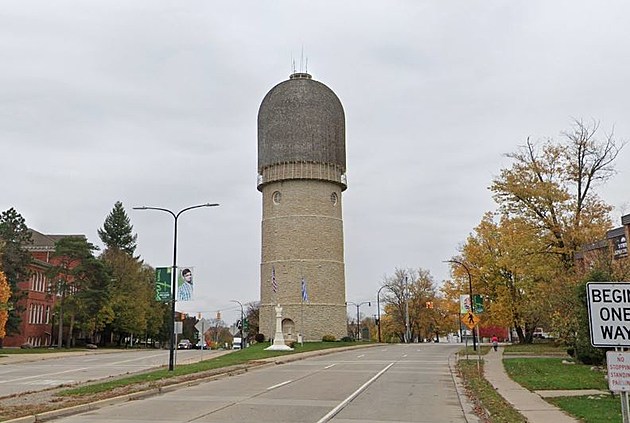
Yesterday I had a marvelous day with a group of about 35 wonderful mental health professionals and students in Ypsilante, Michigan. I was hosted by generous and kind faculty of Eastern Michigan University. I learned about the historical significance of “Ipsy,” along with anecdotes pertaining to the Ipsy water tower on post-cards, details of which—obviously because I’m so classy and sophisticated—I will not mention here.
The weather was marginally dreadful. We worried the in-person workshop would be cancelled and replaced with Zoom. Despite the weather, some people drove 90 minutes or more to arrive, which was just one small measure of their commitment to learning and their commitment to serving youth and families in counseling and psychotherapy. Whenever I’m in a room with professionals like the group yesterday, I have renewed hope in the world and in the future. The participants were: Just. Good. People.
As is my practice, I’m posting the ppts from the workshop here:
And here’s a PG-rated image of the Ypsilante water tower.
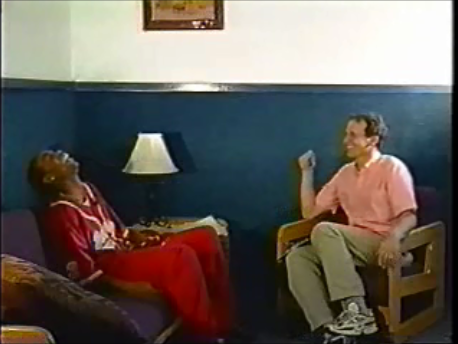
Toward the end of the workshop I engaged two participants in an activity that involved shaking imaginary soda pop bottles and opening them. One participant had brought her five-year-old daughter for the day (because of a school closure). As her mother and the woman next to her pretended to shake their imaginary bottles, and I was saying, “Shake, shake, shake,” the five-year-old, who had been incredibly well-behaved for the preceding 8 hours, began giggling in a way that couldn’t be described as representing anything other than pure joy.
In honor of my new five-year-old friend, I encourage you all to find time to giggle this weekend. Even better, find a child to giggle with; it will be time well-spent.
And here’s a photo of me having a giggle with a young person.
In 2017, I collaborated with Dr. Charles Palmer and Daniel Salois (now Dr. Daniel Salois) on a creative, one-of-a-kind research study evaluating and comparing the effectiveness of an educational intervention vs. a hypnotic induction transporting people to the future in for improving the accuracy of March Madness NCAA Basketball Tournament bracket picks. The results were stunning (but I can’t share them right now because I want to recruit anyone and everyone in the Missoula area to participate in our planned replication of this amazing study). The study has been approved by the University of Montana IRB.To participate, follow these instructions:1.Email Marchmadnessresearch2023@gmail.com and say “Yes, I’m in!”2.We will email you back a confirmation.3.Upon arrival at the study location, you will be randomly assigned to one of two “March Madness Bracket Training” groups:a.Hypnosis to enhance your natural intuitive powersb.Educational information from a UM professor4.All participants will meet in room 123 of the Phyllis J. Washington College of Education building at 7pm on Tuesday, 3/14/23. Enter on the East end of the building. From there, we’ll send you to a room for either the education or hypnosis intervention.5.When you arrive in your room, you will fill out an informed consent form, a March Madness bracket, and complete a short questionnaire. 6.Then you will participate in either they educational or hypnosis training.7.After the training, you will complete another bracket and short questionnaire8.You will leave your completed packet and your brackets with the researchers; they will be uploaded into the ESPN Tournament Challenge website using the “Team Name” you provide. If you bring a device, we will provide a password so you can upload your own selections into the ESPN system.9.You will receive information at the “Training” on how to login and track your bracket. On or around April 15, we will post a summary of the research results at: https://johnsommersflanagan.com/Once again, to sign up for this research project, email: Marchmadnessresearch2023@gmail.com I’m posting this because we’re trying to recruit as many participants as possible. If you live near Missoula, please consider participating. If you know someone who might be interested, please share this with them. Thanks for reading and have a fabulous day.John S-F
The place to click if you want to learn about psychotherapy, counseling, or whatever John SF is thinking about.





 John Sommers-Flanagan