Tag Archives: Love

What Happened This Week and PPTs for the U of Montana Psychology Club

This past week I had the honor and privilege of offering four presentations, one each on Monday, Tuesday, Wednesday, and Thursday.

Monday was a Zoom date with a counseling class at West Virginia University.

Tuesday was an exciting in-person presentation for the University of Montana MOLLI program, kicking off our small group experiential Evidence-Based Happiness course for older adults. It was phenomenal. The older adults always bring it. One–among many–highlights was an 88 -year-old guy who, in the midst of the Three-Step Emotional Change Trick, shared about how he “Honored” his emotions by joining a grief group after his wife died (3 years ago). His sharing was beautiful and perfect.

Wednesday was my annual visit to Dr. Timothy Nichols’s Honors College course on LOVE. Dr. Nichols happens to be the Dean of the Honors College and one of the coolest and kindest and most enthused people on the planet. Mostly I go every year just to hear him introduce me. In truth, I also go because the topic and the students are INCREDIBLE. I think it may have been the best LOVE lecture EVER. I’d post the ppts here, but my computer crashed yesterday, and the U of M IT people (who are always very nice) are now attempting “data recovery.” Argh!

Thursday I got to hang out for two hours with the Graduate Students of the University of Montana Psychology Club. This was yet another fun experience with a group of students who are all simply brilliant. To top it off, a couple of my favorite people (and Psych faculty), Bryan Cochran and Greg Machek also attended. . . providing the precise level of sarcasm and humor that made the experience practically perfect. Here are the Psych Club’s ppts, which I happened to have on a flash drive:
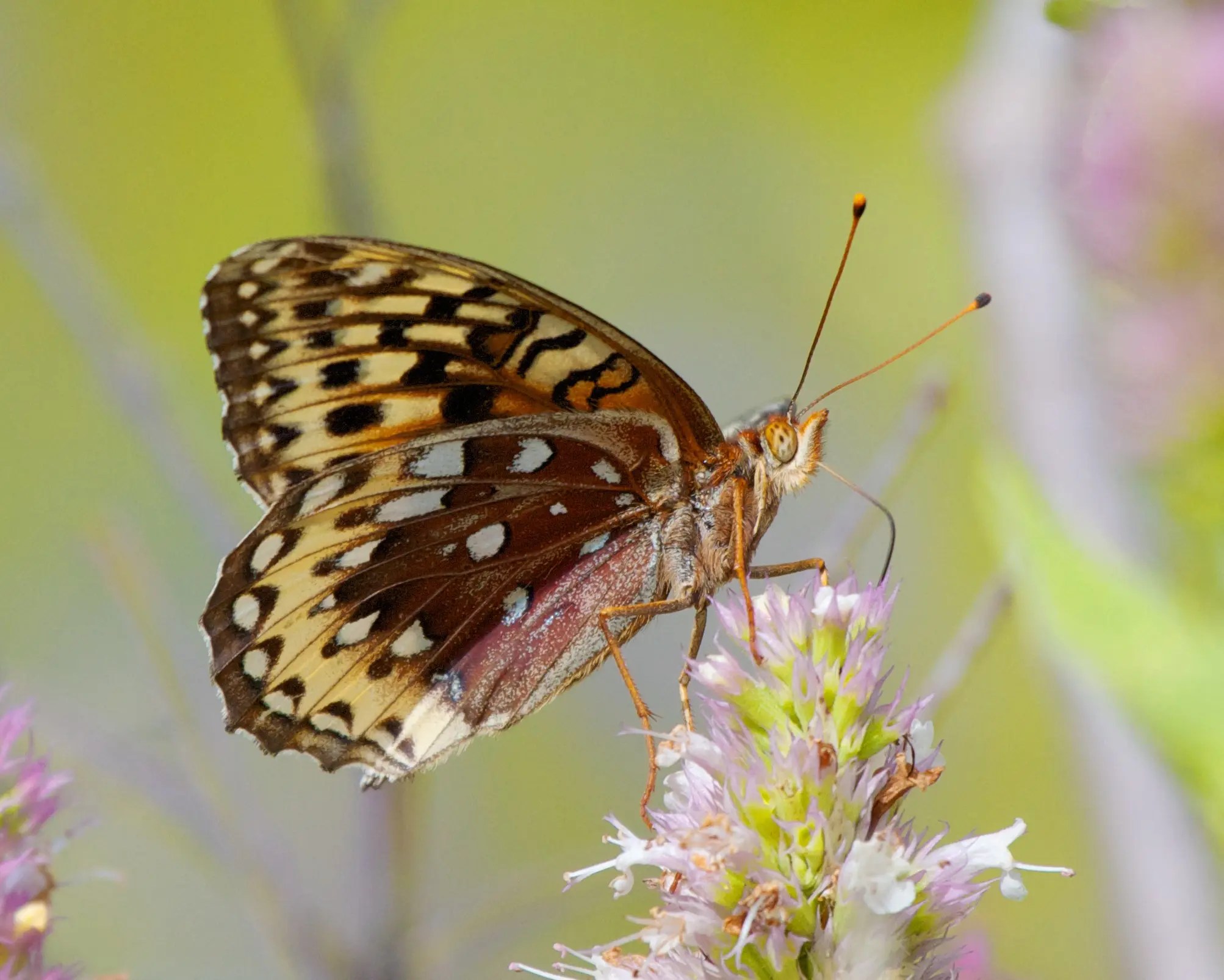
Happiness as a Butterfly (or Elephant)

[Photo by Jean Bjerke, from a post in the Henrys Fork Wildlife Alliance – Wildlife Weekly Archives – July 15, 2021

Rita and I are working on a short “Happiness Handbook.” It’s a secret. Don’t tell ANYONE!

Below is a short and modified excerpt of something I’d written a while back on happiness being “hard to catch.” I’m looking for a place to put it in our secret handbook . . . so, for now, I’m putting it here. There’s one line in this little story that I love so much that I wish I could turn it into a quotable quote for everyone to use on the internet (haha). See if you can find it!

******************************************

Several days prior to driving across the state to a party she was planning with her family, a friend met up with us and we talked about happiness. She said she liked the word contentment better than happiness, along with the image of hanging out in a recliner after a day of meaningful work.

After her family party, she wrote me an email, sharing, rather cryptically, that her party planning turned out just okay, because,

“Sigh. Some days, happiness runs so fast!”

I loved her image of chasing happiness even more than the image of her reclining in contentment–although savoring contentment after a meaningful day is unequivocally awesome.

As it turns out, being naturally fleet, happiness prefers not being caught. Because happiness is in amazing shape, if you chase it, it will outrun you. Happiness never gets tired, but usually, before too long, it gets tired of you.

In the U.S., we’ve got an unhealthy preoccupation with happiness, as if it were an end-state we can eventually catch and convince to live with us. But happiness doesn’t believe in marriage—or even in shacking up. Happiness has commitment issues. Just as soon as you start thinking happiness might be here to stay, she/he/they disappears into the night.

But don’t let our pessimism get you down. Even though we’re not all that keen on pursuing happiness, we believe (a) once we’ve defined happiness appropriately, and (b) once we realize that instead of happiness, we should be pursuing meaningfulness.

Then, ironically or paradoxically or dialectically, after we stop chasing it, happiness will sneak back into our lives, sometimes landing on our shoulder like a delicate butterfly, and other times trumpeting like a magnificent elephant.

Love One Another . . . and

Like it was for many, last night and this morning were rough. Although some people may be celebrating, many are suffering.

One of my default responses to what I view as bad things in the world (including the election of a man who is sexist, racist, a convicted rapist, a multiple felon who recently publicly pantomimed an act of oral sex with a microphone, and who promised revenge to many people as an authoritarian president) is anger. Last night I was pissed and felt hateful . . . all night. Sleep didn’t happen much.

When growing up, my mother had a rule in our house. We could not use the word hate. She insisted. If we felt strongly, we could say, “I dislike that very intensely,” but “hate” was forbidden.

Because I had two smart, kind, and wonderful sisters and two loving parents, I don’t think I really understood that message until the middle of last night. Amongst my many awakenings and rushes of violent thoughts, I felt the hate . . . and then recognized that hate is exactly what the destructive and divisive forces in the world want us to feel.

We have many historical and current names for the great divider. Lucifer and Satan come to mind. I’m not much into traditional religion, but as my hate rose along with the awareness that I am, in part, a victim of someone who is gifted in stoking hate, I couldn’t help but wonder if perhaps this is the demonic. After all, what is the demonic, if not the stoking and spread of hateful thoughts and actions?

Those thoughts gave me pause. Being naturally oppositional, I don’t want to give the divider what he wants. Alternative ideas came into my brain, the main one being, “Love one another.”

Again, I’m not traditionally religious; I’m also not especially naïve. My interpretation of what may have been a “Love one another” spiritual message, is to do the loving with my eyes wide open and an excellent memory.

We all need to be wary, and protect ourselves, our friends, our colleagues, our families Although the labor activist Joe Hill said, “Don’t mourn. Organize,” I think we do need to mourn, grieve, commiserate, AND organize. At the same time, we need to find the right times and places and spaces for love. After all, what is the spiritual, if not the stoking and spread of loving thoughts and actions?

I wish for you, the time and space you need for dealing with your painful emotions as well as the opportunity to build a more positive future, together.

Love One Another

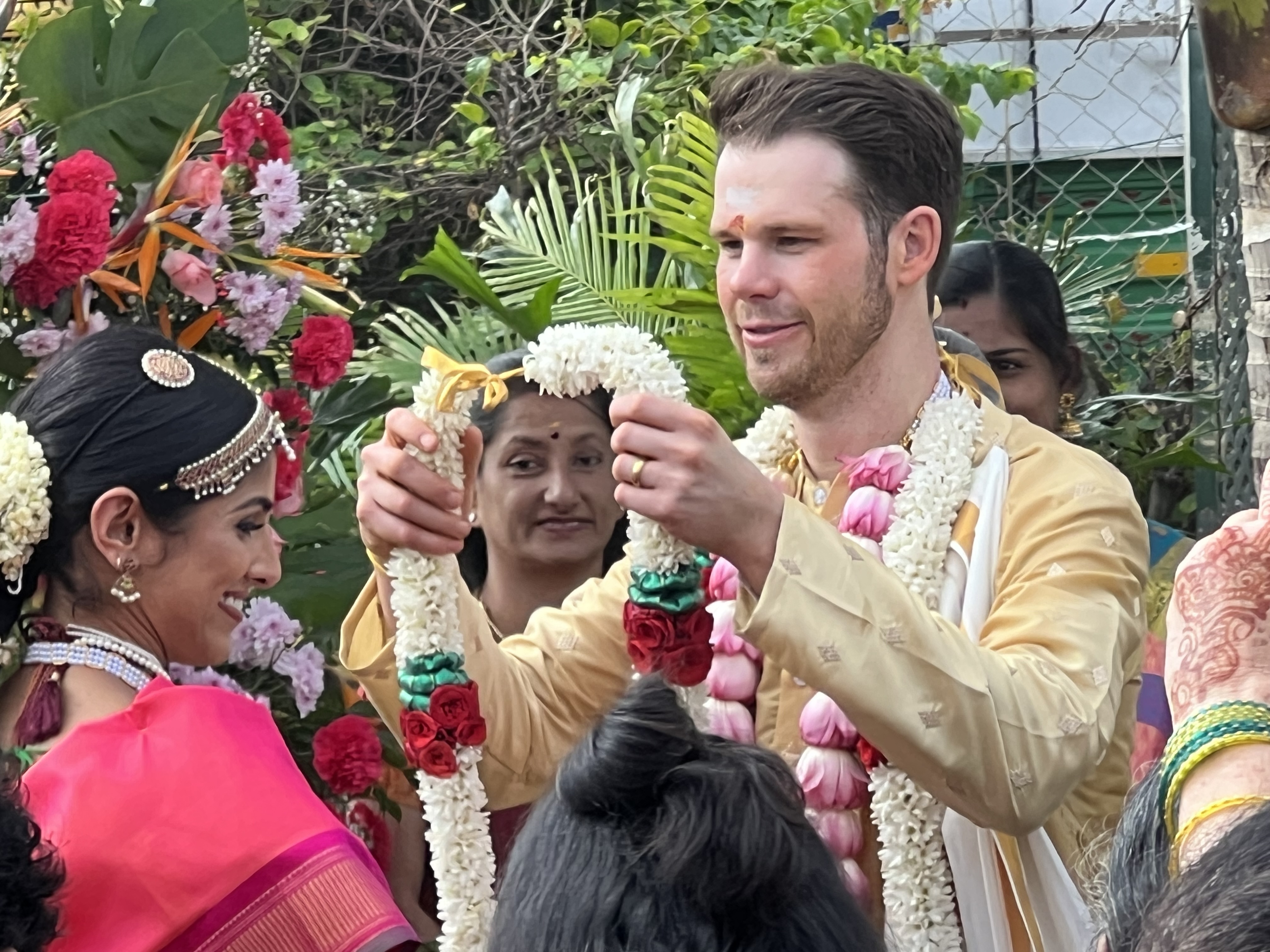
Last week I was dancing and singing in India at my nephew’s wedding. This week I’m jet-lagged in Missoula. But the afterglow continues.

Being at a wedding, it was hard not to think of my mother. She loved weddings and always wished for everyone to find love.

My sisters had similar thoughts. We reminisced and projected my mother into the scene of my nephew marrying an Asian Indian woman in a Hindu ceremony. We wished she could pop back into the world and join in.

Mostly, my mother was shy and insecure. She didn’t learn to drive until age 34. I often wished she had more confidence.

But there was one place where my mom found her voice, early and often. For mysterious and obvious reasons, she became anti-racist in the 1950s, before anti-racism was a thing. She delighted in visits from my father’s Japanese friend, Carl Tanaka. When a Black family moved onto our all-White dead-end suburban street, she was the first to greet them with welcome gifts. She then sat my sisters and I down, and told us with piercing clarity that we would ALWAYS treat every member of that family with nothing but respect and kindness. They quickly became our friends. I have great memories of hanging out with my friend Darrell, who was the closest to me in age and in school.

What I didn’t understand about my mom’s anti-racism—until last week—was that she also had a solution. My sisters told me that my mother’s favorite solution to all that ails the world was inter-racial, inter-cultural, and inter-religion marriage. Of course, I’m not naïve enough to think that any single strategy could solve racism, but last week, during a three-day Hindu marriage ceremony, I returned home transformed and preoccupied with the idea that we can and should love one another.

The internet tells me that love one another has Christian Biblical origins . . . and more. Here’s an excerpt from a site that discusses “love of neighbor” in Hinduism.

Love of the neighbor or the “other soul” is a fundamental requirement for a functioning Hindu who aspires for final liberation from this world. Any injury or insult inflicted upon the other soul is ultimately injury inflicted on oneself—or worse still, the higher being. Neighborly love is integral for one’s social existence in this world. The Anusana Parva (113:8) in Mahabharata encapsulates this wisdom and dictates that one should be unselfish and not behave toward others in a way that is disagreeable to oneself. [From: http://what-when-how.com/love-in-world-religions/love-of-neighbor-in-hinduism/]

The facts were that Stephen Klein married Sahana Kumar last week, in a beautiful coastal setting just south of Chennai, India.

In a marvelous stroke of luck, I happen to be Gayle Klein’s brother and Stephen’s Uncle John. Along with the dancing singing (which I may have overdone), I was completely taken by the intercultural love and acceptance. The Kumar family welcomed Stephen and all of us to be with them not only in the celebration, but in relationship. At the Sangeet, we were invited to dance a Bollywood and a Hollywood dance. We were terrible AND we were completely accepted. To be immersed in another culture, to learn about Hinduism, to experience glimpses of the Southern Indian cultural ways of being . . . was AMAZING.

In love and in relationship, we often fall short. It’s hard to love our politically different family members. It’s hard to love when we feel annoyed. Sometimes, as I heard the famous Julie and John Gottman say, it’s even hard to find the time and timing to love our romantic partners. But love is big and, thanks to my sisters and Stephen, Sahana, and the Kumars, I understand love a little better this week. The intent to love people who are different than us; the invitation to be in relationship across cultures and generations; the desire to be as loving as we can be . . . those are the ways of being my mom might be shouting from the heavens.   

Love Skills

Earlier this week Rita and I got to talk about love for 90 minutes with Dr. Tim Nicolls and his Honors class titled “Love” at the University of Montana. It’s a fun gig. We get to tell stories about our own romantic history, weave in Alfred Adler’s many amazing love quotations, and walk though Julie and John Gottman’s six predictors of divorce, along with six strategies for addressing and shrinking those predictors.

Back in our courting days Rita lured me up onto the underside of Orange Street bridge in Missoula. We’re so old that we were courting long before they blocked off the underside to romancing couples. Rita—being a balance-beam genius in a previous life—started walking comfortably along an 18 inch wide steel beam about 40 feet above the shallows of the Clark Fork river. Being naïve and adopting the good constructivist mindset of not knowing, I followed. She just kept on walking as if there were no particular danger. I looked down at the rocks and water. By the time she turned to peek back at me, I was on my hands and knees and crawling very slowly along the beam.

To this day, Rita insists I’m afraid of heights. Of course, that’s not true. I’m not afraid of heights, but I am afraid of falling. I believe I was simply showing good judgment and trying to avoid dying during our courtship.

Our romantic bridge story links well to the classic social psychology bridge study on the misattribution of arousal. You can read the abstract here: https://doi.apa.org/doiLanding?doi=10.1037%2Fh0037031. Rita insists that she didn’t learn about how easily male college students can be manipulated into misattributing their fear-related arousal to romantic arousal until AFTER she led me onto the Orange Street bridge.

We like to call our lecture “Love Skills,” because of our mutual belief that although love usually involves passion, lasting love also includes a generous array of relationship skills. As Adler pointed out, long ago, long-term romantic relationships also require the right attitude. He wrote:

“There are too many people in our society who take, and [who] have great expectations, and too few who give. It seems that too much of human kind is caught in a love and marriage formula that states: Because I love you, you must obey me!”

 In case you’re interested, here’s the link to our Love Skills powerpoints.

And here’s my favorite Adler relationship quotation:

“Each partner must be more interested in the other than in himself (sic). This is the only basis on which love and marriage can be successful.” (Ansbacher & Ansbacher, 1956, p. 432)

A Short Video on Love: Featuring Max and Paula Sommers

This afternoon, Rita and I are doing a short lecture for the University of Montana Honors College course (HONR 391) titled “Love.” Dr. Timothy Nichols, Dean of the Honors College is teaching the course. They’ve covered a ton of very cool stuff (academic speak here) and Rita and I are getting a chance to throw 2 of our cents in.

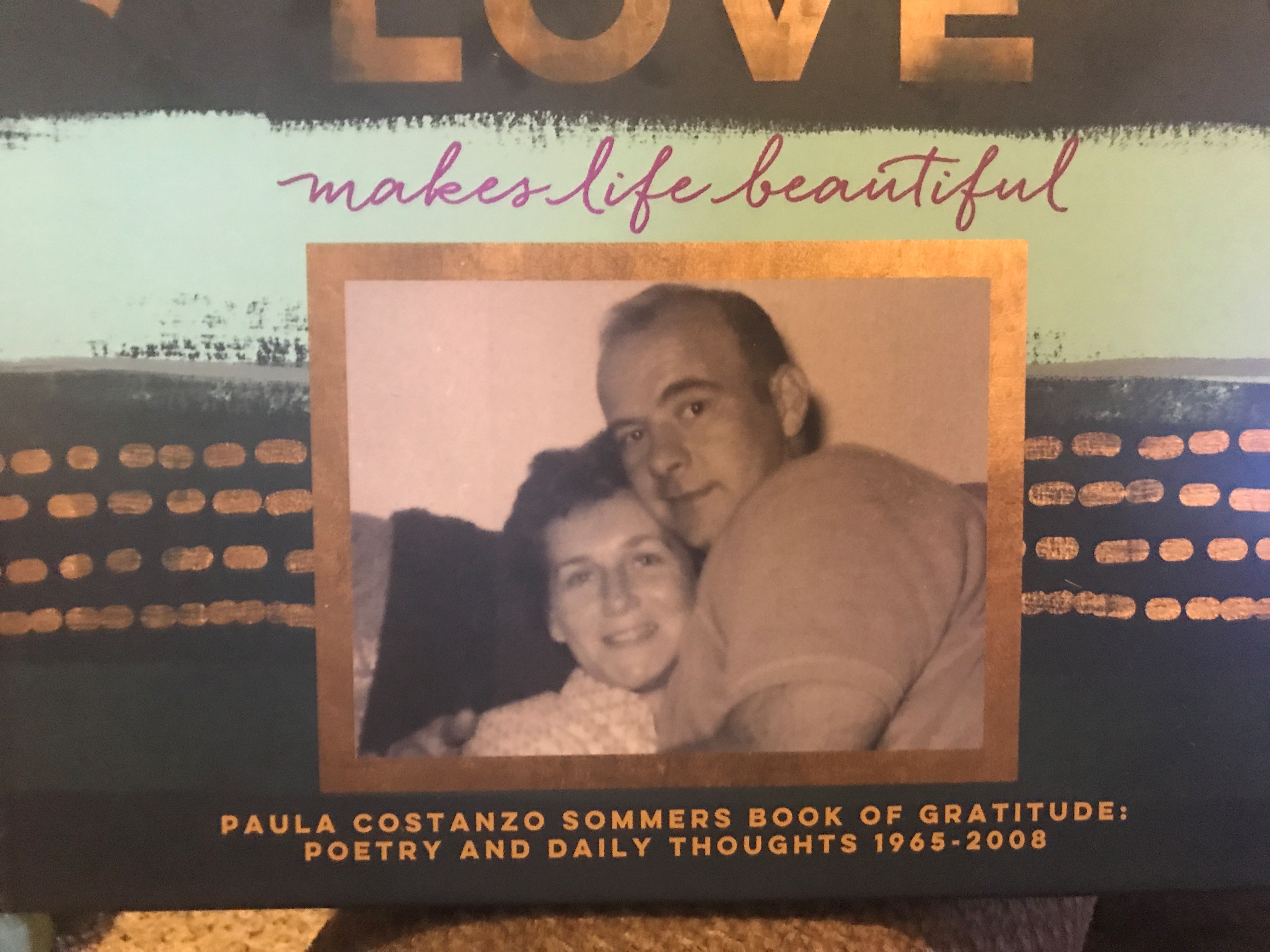
While putting together the powerpoints, I also discovered and captured a 4 minute video of my parents talking about love and their relationship. The video was produced on Valentine’s Day of 2008 by Regence Blue Shield of Oregon. I contacted them and they said, of course, I could share the video . . . so, here it is:

Upcoming Workshops on Love and Couple Counseling at the University of Montana

Starting on February 27, 2015, the Department of Counselor Education at the University of Montana will be offering a “LOVE” Workshop Series on campus in Missoula. This workshop series will include four different full-day trainings. The dates, topics and presenters for this series is below . . . and a registration form is attached. Registration form LOVE – Final

Session I: Friday, February 27, 2015, 8:30-4:30
Part One: Facilitating Intimate Conversations
Presented by: Veronica Johnson, Ed.D. and Kirsten Murray, Ph.D. – University of Montana

In American culture, romantic partners are taught to dread having serious relationship talks. This workshop focuses on helping couples build positive expectations and effective skills for communicating directly about their relationship and relationship issues like sex, money, and in-laws.

Part Two: The Business of Working with Couples
Presented by: Jana Staton, Ph.D. – Independent Practice – Marriage Works

Although helping couples have happier and healthier relationships is intrinsically rewarding, if you’re a professional counselor or therapist, you probably want to get paid too. In this workshop, Jana Staton, Ph.D. will offer tips for maximizing the efficiency of the business side of your couples counseling practice.

Session II: Friday, March 20, 2015, 8:30-4:30
Romantic Relationships as Healthy Partnerships:
Adlerian Approaches to Couple Counseling and Education
Presented by: Jon Carlson, Psy.D., Ed.D. – Governor’s State University

In this workshop, Jon Carlson, Psy.D., Ed.D., author of 60 books and producer of over 300 counseling and psychotherapy training videos, will provide training on the Adlerian approach to couple counseling. His presentation will include two main parts: (a) a discussion of the relationship enhancement activities of TIME (Training in Marriage Enrichment), and (b) a focus on the principles and practices of Adlerian couple counseling (including a live case demonstration!).

Session III: Friday, April 24, 2015, 8:30-4:30
Emotion-Focused Couple Counseling
Presented by: Mark Young, Ph.D., Gonzaga University

Based on a foundation of attachment theory, emotion-focused couples therapy is currently one of the most popular and scientifically-supported approaches to working effectively with romantic couples. In this workshop, Mark Young, Ph.D., will help you understand the theoretical foundations and learn practical skills necessary to using emotion-focused couples therapy in your practice.

Session IV: Friday, May 8, 2015, 8:30-4:30
Part One: Complications of Love: The Challenge of Parenting
Presented by: Sara Polanchek, Ed.D. and John Sommers-Flanagan, Ph.D.

Researchers consistently report that romantic relationship satisfaction decreases with the birth of the first child and continues to decrease for about the next 20 years. The focus of this workshop will be on how parents can parent as partners and sustain their love and romance through the childrearing years.

Part Two: Complications of Love: Aging Well Together
Presented by: Catherine Jenni, Ph.D. and Jana Staton, Ph.D.

Recent research has surprising scientific findings from neuroscience, health outcome studies, and clinical trials about the effects of interactions with those we love on our immune, cardiovascular, and nervous systems. This workshop will include tips and best practices on how to keep a couple relationship alive, even in the face of declining health, aging, or illness.