Category Archives: Counseling and Psychotherapy Theory and Practice

Separating the Psychological (Emotional) Pain from the Self: A Technique for Working with Suicidal Clients

Blogs I follow

I’m working on a Suicide Assessment and Treatment Planning manuscript and here’s a small piece of what I just wrote:

Rosenberg (1999; 2000) and others have described a helpful cognitive reframe intervention for use with clients who are suicidal. She wrote,

The therapist can help the client understand that what she or he really desires is to eradicate the feelings of intolerable pain rather than to eradicate the self (1999, p. 86).

Shneidman’s (1996) guidance on this was similar, but perhaps even more emphatic. He recommended that therapists partner with clients and with members of the client’s support system (e.g., family) to do whatever possible to reduce the psychological pain.

Reduce the pain; remove the blinders; lighten the pressure—all three, even just a little bit (p. 139).

Suicidal clients need empathy for their emotional pain, but they also need to partner with therapists to fight against their pain. Framing the pain as separate from the self can help because therapists can be empathic, but simultaneously illuminate the possibility that the wish isn’t to eliminate the self, but instead, to eliminate the pain.

Rosenberg (1999) also recommended that therapists help clients reframe what’s usually meant by the phrase feeling suicidal. She noted that clients benefit from seeing their suicidal thoughts and impulses as a communication about their depth of feeling, rather than an “actual intent to take action” (p. 86). Once again, this approach to intervening with suicidal clients can decrease clients’ needs to act, partly because of the elegant cognitive reframe and partly because of the therapist’s empathic message.

Here’s a case vignette to illustrate how therapists can work with clients to separate the emotional pain from the self and then partner with clients to reduce the pain. As always, this case vignette is a composite compiled from clinical work and simulations with various individuals.

Case Vignette. Kate is a 44-year-old cisgender married female with two children. She arrived for counseling in extreme emotional distress. She was also agitated, stating, “It just hurts so badly to be alive. It hurts so badly.”

Much of Kate’s emotional pain was centered around the recent death of her mother, whom Kate had cared for over the past seven years. Kate had an ambivalent relationship with her; her mother had been diagnosed as having schizophrenia and caring for her was extremely challenging. Kate’s acute emotional distress was accompanied by fears of turning out like her mother and thoughts of reunifying with her mother. She said, “I just need to be with her.”

To help Kate separate her intense emotional pain from the self, I began by noticing that there were two different parts of Kate, and that these two different parts had different ideas about how to move forward. Noticing and articulating different perspectives of the self is a common approach from a person-centered theoretical perspective. Because of Kate’s family history of schizophrenia, I wouldn’t use an expressive Gestalt technique to separate her different ego states, but it felt like reflecting her obvious ambivalence was a safe approach. Specifically, I said, “Sounds like a part of yourself thinks the solution is to die, and that your kids will be better off. But there’s another part of you that says, maybe the solution isn’t to die. Maybe I can come in here and talk. Maybe my kids actually would suffer if I died.”

Kate accepted that she was “of two minds” about how to go forward. Next, I tried to further clarify these parts of herself, emphasizing that I wanted to align with the “second” part of herself, so that we could work together on her emotional pain.

The one part of yourself thinks your only hope of dealing with the pain is to kill yourself. The other part thinks, maybe I can stay alive, work in counseling to get rid of the pain, and then my children wouldn’t suffer from my death. How about, for now, we work from that second perspective. We can be a team that works hard to decrease the emotional pain you’re feeling. It might not go away immediately, but if you stay alive and we work together, we can chip away at the pain and make it shrink.

You may notice the words I used were somewhat redundant. Using redundancy with clients who are feeling suicidal may be needed because the agitated, depressed state of mind makes cognitive focusing difficult. Sometimes, if you don’t repeat the therapeutic perspective and keep focused on it, the therapeutic perspective can slip away from your clients’ cognitive grasp.

Linehan often uses a more provocative way of talking about partnering with clients to diminish their pain. For example, she might say, “Getting through this is like going through Hell. But I know therapy can help and I want to work with you on this. But I have to tell you this, therapy will only work if you stay alive. Therapy doesn’t work on dead people. So I want you to stay alive and work with me at attacking your pain. Will you give me six months for us to go through hell together so we can get control of your pain?

Either way, the goal is to partner with clients to work on decreasing emotional or psychological pain. This approach combines empathic listening, with an emphasis on the therapeutic alliance. As therapist and client partner together, then cognitive-behavioral problem-solving can commence.

Using Therapeutic Storytelling with Children: Five Easy Steps

Books

Everybody loves a good story.

Good stories grab the listener’s attention and don’t let go. I’ve been reading and telling stories for as long as I can remember. Whether its kindergartners, clients, or college students, I’ve found that stories settle people into a receptive state that looks something like a hypnotic trance.

Nowadays, mostly we see children and teens entranced with their electronic devices, television, and movies. Although it’s nice to see young people in a calm and focused state, the big problem with devices (other than their negative effects on sleep, attention span, weight, brain development, and nearly everything else having to do with living in the real world), is that we (parents, caretakers, and concerned adults), don’t have control over the electronic stories our children see and hear.

Storytelling is a natural method for teaching and learning. Children learn from stories. We’re teaching when we tell them. We might as well add our intentional selection of stories to whatever our children might be learning from the internet.

Way back in 1997, Rita and I wrote a book called Tough Kids, Cool Counseling. One of the chapters focused on how to use therapeutic storytelling with children and teens. Although the content of Tough Kids, Cool Counseling is dated, the ideas are still solid. The following section is good material for counselors, psychotherapists, parents, and other adults who want to influence young people.

In counseling, storytelling was originally developed as a method for bypassing client resistance. Stories are gentle methods that don’t demand a response, but that stimulate, “thinking, experiencing, and ideas for problem resolution” (Lankton & Lankton, 1989, pp. 1–2)

Storytelling is an alternative communication strategy. For counselors, it should be used as a technique within the context of an overall treatment plan, rather than as a treatment approach in and of itself. For parents and caregivers, stories should be fun, and engaging . . . and told in ways that facilitate learning.

Story construction. Even if you’re an excellent natural storyteller, it can help to have a guide or structure for story construction and development. I like using a framework that Bill Cook, a Montana psychologist, wrote about and shared with me. He uses the acronym S-T-O-R-I, to organize the parts of a therapeutic story.

S: Set the stage for the story. To set the stage, you should create a scenario that focuses on a child living in a particular situation. The child can be a human or an animal or an animated object. The central child character should be described in a way that’s positive and appealing. Because much of my work back in the 1990s involved working with boys who were angry and impulsive, the following story features a boy who has an arguing problem. Depending on your circumstances, you could easily feature a girl or a child who doesn’t have a particular gender identity.

Here’s the beginning of the story.

Once upon a time there was a really smart boy. His name was Lancaster. Lancaster was not only smart, he was also a very cool dresser. He wore excellent clothes and most everyone who met Lancaster immediately was impressed with him. Lancaster lived with his mother and sister in the city.

In this example, the client’s name was Larry. If it’s not too obvious, you can give the central character a name that sounds similar to your client’s name. You may also develop a story that has other similarities to your client’s life.

T: Tell about the problem. This stage includes a problem with which the central character is struggling. It should be a problem similar to your client’s or your child’s. This stage ends with a statement about how no one knows what to do about this very difficult and perplexing problem.

Every day, Lancaster went to school. He went because he was supposed to, not because he liked school. You see, Lancaster didn’t like having people tell him what to do. He liked to be in charge. He liked to be the boss. The bad news is that his teachers at school liked to be in charge too. And when he was at home, his mother liked to be the boss. So Lancaster ended up getting into lots of arguments with his teachers and mother. His teachers were very tired of him and about to kick him out of school. To make things even worse, his mother was so mad at him for arguing all the time that she was just about to kick him out of the house. Nobody knew what to do. Lancaster was arguing with everyone and everyone was mad at Lancaster. This was a very big problem.

O: Organize a search for helpful resources. During this part of the story, the central character and family try to find help to solve the problem. This search usually results in identifying a wise old person or animal or alien creature as a special helper. The wise helper lives somewhere remote and has a kind, gentle, and mysterious quality. In this case, because Larry (the client) didn’t have many positive male role models in his life, I chose to make the wise helper a male. Obviously, you can control that part of the story to meet the child’s needs and situation.

Because the situation kept getting worse and worse and worse, almost everyone had decided that Lancaster needed help—except Lancaster. Finally, Lancaster’s principal called Lancaster’s mom and told her of a wise old man who lived in the forest. The man’s name was Cedric and, apparently, in the past, he had been helpful to many young children and their families. When Lancaster’s mother told him of Cedric, Lancaster refused to see Cedric. Lancaster laughed and sneered and said: “The principal is a Cheese-Dog. He doesn’t know the difference between his nose and a meteorite. If he thinks it’s a good idea, I’m not doing it!”

But eventually Lancaster got tired of all the arguing and he told his mom “If you buy me my favorite ice cream sundae every day for a week, I’ll go see that old Seed-Head man. Lancaster’s mom pulled out her purse and asked, “What flavor would you like today?”

After hiking 2 hours through the forest, they arrived at Cedric’s tree house late Saturday morning. They climbed the steps and knocked. A voice yelled: “Get in here now, or the waffles will get cold!” Lancaster and his mom stepped into the tree house and were immediately hit with a delicious smell. Cedric waved to them like old friends, had them sit at the kitchen table, a served them a stack of toasty-hot strawberry waffles, complete with whipped cream and fresh maple syrup. They ate and talked about mysteries of the forest. Finally, Cedric leaned back, and asked, “Now what do you two want . . . other than my strawberry waffles and this pleasant conversation?”

Lancaster suddenly felt shy. His mom, being a sensitive mom, looked up at Cedric’s big hulking face and described how Lancaster could argue with just about anyone, anytime, anywhere. She described his tendency to call people mean names and mentioned that Lancaster was in danger of being kicked out of school. Of course, Lancaster occasionally burst out with: “No way!” and “I never said that,” and even an occasional, “You’re stupider than my pet toad.”

After Lancaster’s mom stopped talking, Cedric looked at Lancaster. He grinned and chuckled. Lancaster didn’t like it when people laughed at him, so he asked, “What are YOU laughing about?” Cedric replied, “I like that line. You’re even stupider than my pet toad. You’re funny. I’m gonna try that one out. How about if we make a deal? Both you and I will say nothing but “You’re even stupider than my pet toad” in response to everything anyone says to us. It’ll be great. We’ll have the most fun this week ever. Okay. Okay. Make me a deal.” Cedric reached out his hand.

Lancaster was confused. He just automatically reached back and said, “Uh, sure.”

Cedric quickly stood up and motioned Lancaster and his mom to the door, smiling and saying, “Hey you two toad-brains, see you next Saturday!!”

Searching for helpful resources can be framed in many ways. For counselors, you might construct it to be similar to what children and parents experience during their search for a counselor. Consistent with the classic Mrs. Piggle Wiggle book series, the therapeutic helper in the story has tremendous advantages over ordinary counselors. In the Lancaster example, Cedric gets to propose a maladaptive and paradoxical strategy without risk, because the whole process is simply a thought experiment. Depending on your preference and situation, you can use whatever “treatment” strategy you like.

R: Refine the therapeutic intervention. In this storytelling model, the initial therapeutic strategy isn’t supposed to be effective. Instead, the bad strategy that Cedric proposes is designed for a core learning experience. During the fourth stage (refinement) the central character learns an important lesson and begins the behavior change process.

Both Lancaster and Cedric had a long week. They called everyone they saw a “stupid toad-brain” and said, “You’re even stupider than my pet toad” and the results were bad. Lancaster got kicked out of school. That morning, when they were on their way to Cedric’s, Lancaster got slugged in the mouth for insulting their taxi driver and he was sporting a fat lip.

When Lancaster stepped into Cedric’s tree house, he noticed that Cedric had a black eye.

“Hey, Mr. Toad-Brain, what happened to your eye?” asked Lancaster. “Probably the same thing that happened to your face, fish lips!” replied Cedric.

Lancaster and Cedric sat staring at each other in awkward silence. Lancaster’s mom decided to just sit quietly to see what would happen. She felt surprisingly entertained.

Cedric broke the silence. “Here’s what I think. I don’t think everyone appreciates our humor. In fact, nobody I met liked the idea of having their brain compared to your pet toad’s brain. They never even laughed once. Everybody got mad at me. Is that what things are usually like for you?”

Lancaster muttered back, “Uh, well, yeah.” But this week was worse. My best friend said he doesn’t want to be best friends and my principal got so mad at me that he put my head in the toilet of the boys’ bathroom and flushed it.”

Cedric rolled his eyes and laughed, “And I thought I had a bad week. Well, Lanny, mind if I call you Lanny?”

“Yeah, whatever, Just don’t call me anything that has to do with toads.”

“Well Lanny, the way I see it, we have three choices. First, we can keep on with the arguing and insulting. Maybe if we argue even harder and used different insults, people will back down and let us have things our way. Second, we can work on being really nice to everyone most of the time, so they’ll forgive us more quickly when we argue with them in our usual mean and nasty way. And third, we can learn to argue more politely, so we don’t get everyone upset by calling them things like ‘toad brains’ and stuff like that.”

After talking their options over with each other and with Lancaster’s mom, Cedric and Lancaster decided to try the third option: arguing more politely. In fact, they practiced with each other for an hour or so and then agreed to meet again the next week to check on how their new strategy worked. Their practice included inventing complimentary names for each other like “Sweetums” or “Tulip” and surprising people with positive responses like, “You’re right!” or “Yes boss, I’m on it!”

As seen in the narrative, Lanny and Cedric learn lessons together. The fact that they learn them together is improbable in real life. However, the storytelling modality allows counselor and client the opportunity to truly form a partnership and enact Aaron Beck’s concept of collaborative empiricism.

I: Integrating the lesson. In the final stage of this storytelling model, the central character articulates the lesson(s) learned.

Months later, Lancaster got an invitation from Cedric for an ice cream party. When Lancaster arrived, he realized the party was just for him and Cedric. Cedric held up his glass of chocolate milk and offered a toast. He said, “To my friend Lanny. I could tell when I first met you that you were very smart. Now, I know that you’re not only smart, but you are indeed wise. Now, you’re able to argue politely and you only choose to argue when you really feel strongly about something. You’re also as creative in calling people nice names as you were at calling them nasty names. And you’re back in school and, as far as I understand, your life is going great. Thanks for teaching me a memorable lesson.”

As Lanny raised his glass for the toast, he noticed how strong and good he felt. He had learned when to argue and when not to argue. But even more importantly, he had learned how to say nice things to people and how to argue without making everyone mad at him. The funny thing was, Lanny felt happier. Mostly, all those mad feelings that had been inside him weren’t there anymore.

At the end of this story (or whatever story you decide to use), you can directly discuss the “moral of the story” or just leave it hanging. In many cases, leaving the story’s message unstated is useful. Alternatively, you might ask the child, “What do you think of this story?”

Letting the child consider the message provides an opportunity for intellectual stimulation and may aid in moral development. Although it would be nice to claim that therapeutic storytelling causes immediate behavior change, the more important outcome is that storytelling provides a way for an adult and a child to have pleasant interactions around a story . . . with the possibility that, over time, positive behavior change may occur.

Suicide Myths — Part Two

From M 2019 Spring

This is part two of my “Four Suicide Myths” blog post. If you read part one, you probably noticed that it ended abruptly. Apparently, that’s how I do two-part blog posts. Thinking back, I should have added something like, “end of part one.” 

And so, as an introduction, here’s the beginning of part two . . .

Myth #2: Suicide and suicidal thinking are signs of mental illness.

Philosophers and research scientists agree: nearly everyone on the planet thinks about suicide at one time or another—even if briefly. The philosopher Friedrich Nietzsche referred to suicidal thoughts as a coping strategy, writing, “The thought of suicide is a great consolation: by means of it one gets through many a dark night.” Additionally, the rates of suicidal thinking among high school and college students is so high (estimates of 20-40% annual incidence) that it’s more appropriate to label suicidal thoughts as common, rather than a sign of deviance or illness.

Edwin Shneidman—the American “Father” of suicidology—denied a relationship between suicide and so-called mental illness in the 1973 Encyclopedia Britannica, stating succinctly:

“Suicide is not a disease (although there are those who think so); it is not, in the view of the most detached observers, an immorality (although . . . it has often been so treated in Western and other cultures).”

A recent report from the U.S. Centers for Disease Control (CDC) supported Shneidman’s perspective. The CDC noted that 54% of individuals who died by suicide did not have a documented mental disorder. Keep in mind that the CDC wasn’t focusing on people who think about or attempt suicide; their study focused only on individuals who died by suicide. If most individuals who die by suicide don’t have a mental disorder, it’s even more unlikely that people who think about suicide (but don’t act on their thoughts), meet diagnostic criteria for a mental disorder.  As one of my mentors used to say, “Having the thought of suicide is not dangerous and is not the problem.”

Truth #2: Suicidal thoughts are not—in and of themselves—a sign of illness. Instead, suicidal thoughts arise naturally, especially during times of excruciating distress.

Myth #3: Scientific knowledge about suicide risk factors and warning signs allows for the prediction and prevention of suicide.

In 1995, renowned suicidologist, Robert Litman wrote:

At present it is impossible to predict accurately any person’s suicide. Sophisticated statistical models . . . and experienced clinical judgments are equally unsuccessful. When I am asked why one depressed and suicidal patient commits suicide while nine other equally depressed and equally suicidal patients do not, I answer, “I don’t know.” (p. 135)

Litman’s comments remain true today. Part of the problem stems from the fact that suicide is what is referred to as a low base rate event. When something occurs at a low base rate, it becomes mathematically very difficult to predict. Suicide is a prime example of a low base rate event. According to the CDC, in 2017, only about 14 of every 100,000 citizens died by suicide.

Imagine you’re at the Neyland football stadium at the University of Tennessee. The stadium is filled with 100,000 fans. Your job is to figure out which 14 of the 100,000 fans will die by suicide over the next 365 days.

A good first step would be to ask everyone in the stadium the question that many suicide prevention specialists ask, “Have you been thinking about suicide?” Assuming the usual base rates and assuming that every one of the 100,000 fans answer you honestly, you might rule out 85,000 people (because they say they haven’t been thinking about suicide) and ask them to leave the stadium. Now you’re down to identifying which 14 of 15,000 will die by suicide.

For your next step you decide to do a quick screen for the diagnosis of clinical depression. Let’s say you’re highly efficient, taking only 20 minutes to screen and diagnose each of the 15,000 remaining fans. Only 50% of the 15,000 fans meet the diagnostic criteria for clinical depression.

At this point, you’ve reduced your population to 7,500 University of Tennessee fans, all of whom are depressed and thinking about suicide. How will you accurately identify the 14 fans who will die by suicide? Mostly, based on mathematics and statistics, you won’t. Every effort to do this in the past has failed. Your best bet might be to provide aggressive psychological treatment for the remaining 7,500 people. However, many of the fans will refuse treatment, including some of whom will later die by suicide. Further, as the year goes by, you’ll discover that several of the 85,000 fans who denied having suicidal thoughts, and whom you immediately ruled out as low risk, will confound your efforts at prediction and die by suicide.

To gain a broader perspective, imagine there are 3,270 stadiums across the U.S., each with 100,000 people, and each with 14 individuals who will die by suicide over the next year. All this points to the magnitude of the problem. Most professionals who try to predict and prevent suicide realize that, at best, they will help some of the people some of the time.

Truth #4: Although there’s always the chance that future research will enable us to predict suicide, decades of scientific research doesn’t support suicide as a predictable event. Even if you know all the salient suicide predictors and warning signs, odds are, in the vast majority of cases, you won’t be able to efficiently predict or prevent suicide attempts or suicide deaths.

Myth #4: Suicide prevention and intervention should focus on eliminating suicidal thoughts.

Logical analysis implies that if suicidal thoughts within an individual are eliminated, then suicide will be prevented. Why then, do the most knowledgeable psychotherapists in the U.S. advise against directly targeting suicidal thoughts in psychotherapy? The first reason is because most people who think about suicide never make a suicide attempt. But that’s only the tip of the iceberg.

After his son died by suicide, Rick Warren, a famous pastor and author, created a Youtube video titled, “Rick Warren’s Message for Those Considering Suicide.” The video summary reads, “If you have ever struggled with depression or suicide, Pastor Rick has a message for you. The pain you are experiencing will not last forever. There is hope!”

Although over 1,000 viewers clicked on the “thumbs up” sign for the video, there were 535 comments; these comments mostly pushed back on Pastor Warren’s well-intended message. Examples included:

  • Are you kidding me??? You’ve clearly never been suicidal or really depressed.
  • To say “Suicide is a permanent solution to a temporary problem” is like saying: “You couldn’t possibly have suffered long enough, even if you’ve suffered your entire life from many, many issues.”
  • This is extremely disheartening. With all due respect. Pastor, you just don’t get it.

Pastor Rick isn’t alone in not getting it. Most of us don’t really get the excruciating distress, deep self-hatred, and chronic shame linked to suicidal thoughts and impulses. And because we don’t get it, most of us try to use rational persuasion to encourage individuals with suicidal thoughts to regain hope and embrace life. Unfortunately, a nearly universal phenomenon called psychological reactance helps explain why rational persuasion—even when well-intended—rarely makes for an effective intervention.

While working with chronically suicidal patients for over two decades, Dr. Marsha Linehan of the University of Washington made an important discovery: when psychotherapists try to get their patients to stop thinking about suicide, the opposite usually happens—the patients become more suicidal.

Linehan’s discovery has played out in my clinical practice. Nearly every time I’ve actively pushed clients to stop thinking about suicide—using various psychological ploys and techniques—my efforts have backfired.

Truth #4: Most individuals who struggle with thoughts of suicide resist outside efforts to make them stop thinking about suicide. Using direct persuasion to convince people they should cheer up, have hope, and embrace life is rarely effective.

Starting Over

Individuals who are suicidal are complex, unique, and in deep distress. Judging them as ill is unhelpful. Believing that we can successfully predict and prevent suicide borders on delusional. Direct persuasion usually backfires. Letting go of the four common suicide myths might make you feel nervous. At least they provided guidance for action, right? But just like having the female on top to prevent pregnancy, clinging to unhelpful myths won’t, in the end, be effective. How do we start over? Where do we go from here?

All solutions—or at least most of them—begin with a clear understanding of the problem. As someone who has worked directly with suicidal individuals for decades, there’s no better person to start us on the journey toward a deeper understanding of suicide than Dr. Marsha Linehan.

Dr. Linehan is the developer of dialectical behavior therapy (DBT for short). DBT is widely hailed as the most effective evidence-based approach for working with chronically suicidal patients. To help her students at the University of Washington better understand the dynamics of suicide, Dr. Linehan begins her teaching with this story:

The suicidal person [is] trapped in a small, dark room with no windows and high walls (in my mind always with stark white walls reaching very, very high). The room is excruciatingly painful. The person searches for a door out to a life worth living but, alas, cannot find it. Scratching and clawing on the walls does no good. Screaming and banging brings no help. Falling to the floor and trying to shut down and feel nothing gives no relief. Praying to God and all the saints one knows brings no salvation. The only door out the individual can find is the door to death. The task of the therapist in this situation, as I always tell my clients also, is to somehow find a way to get into the room with the person, to see the person’s world from his or her point of view; to get inside the person, so to speak, and then together search again for that door to life that the therapist knows must be there.

Efforts to understand someone else’s reality are destined to fall short. You can’t always get it right, but that’s okay, because empathy is more about being with and feeling with others, than it is about perfectly understanding them. Trying to understand the inner world of others is an act of courage and compassion. Thus, our next step is to suspend judgment and begin our descent into that small, dark room with no windows.

The Clinical Interview as an Assessment Tool

Chair

The following is another excerpt from a chapter I wrote with my colleagues Roni Johnson and Maegan Rides At The Door. This excerpt focuses on ways in which clinical interviews are used as assessment tools. The full chapter is forthcoming in the Cambridge Handbook of Clinical Assessment and Diagnosis. For more (much more) information on clinical interviewing, see our textbook, creatively titled, Clinical Interviewing, now in its 6th edition. If you’re a professor or college instructor, you can get a free evaluation copy here: https://www.wiley.com/en-us/Clinical+Interviewing%2C+6th+Edition-p-9781119215585

The clinical interview often involves more assessment and less intervention. Interviewing assessment protocols or procedures may not be limited to initial interviews; they can be woven into longer term assessment or therapy encounters. Allen Frances (2013), chair of the DSM-IV task force, recommended that clinicians “be patient,” because accurate psychiatric diagnosis may take “five minutes. . .”  “five hours. . .”  “five months, or even five years” (p. 10).

Four common assessment interviewing procedures are discussed next: (1) the intake interview, (2) the psychodiagnostic interview, (4) mental status examinations, and (4) suicide assessment interviewing.

The Intake Interview

The intake interview is perhaps the most ubiquitous clinical interview; it may be referred to as the initial interview, the first interview, or the psychiatric interview. What follows is an atheoretical intake interview model, along with examples of how theoretical models emphasize or ignore specific interview content.

Broadly speaking, intake interviews focus on three assessment areas: (1) presenting problem, (2) psychosocial history, and (3) current situation and functioning. The manner in which clinicians pursue these goals varies greatly. Exploring the client’s presenting problem could involve a structured diagnostic interview, generation and analysis of a problem list, or clients free associating to their presenting problem. Similarly, the psychosocial history can be a cursory glimpse at past relationships and medical history or a rich and extended examination of the client’s childhood. Gathering information about the client’s current situation and functioning can range from an informal query about the client’s typical day to a formal mental status examination (Yalom, 2002).

Psychodiagnostic Interviewing

The psychodiagnostic interview is a variant of the intake interview. For mental health professionals who embrace the medical model, initial interviews are often diagnostic interviews. The purpose of a psychodiagnostic interview is to establish a psychiatric diagnosis. In turn, the purpose of psychiatric diagnosis is to describe the client’s current condition, prognosis, and guide treatment.

Psychodiagnostic interviewing is controversial. Some clinicians view it as essential to treatment planning and positive treatment outcomes (Frances, 2013). Others view it in ways similar to Carl Rogers (1957), who famously wrote, “I am forced to the conclusion that … diagnostic knowledge is not essential to psychotherapy. It may even be … a colossal waste of time” (pp. 102–103). As with many polarized issues, it can be useful to take a moderate position, recognizing the potential benefits and liabilities of diagnostic interviewing. Benefits include standardization, a clear diagnostic focus, and identification of psychiatric conditions to facilitate clinical research and treatment (Lilienfeld, Smith, & Watts, 2013). Liabilities include extensive training required, substantial time for administration, excess structure and rigidity that restrain experienced clinicians, and questionable reliability and validity, especially in real-world clinical settings (Sommers-Flanagan & Sommers-Flanagan, 2017).

Clinicians who are pursuing diagnostic information may integrate structured or semi-structured diagnostic interviews into an intake process. The research literature is replete with structured and semi-structured diagnostic interviews. Clinicians can choose from broad and comprehensive protocols (e.g., the Structured Clinical Interview for DSM-5 Disorders – Clinician Version; First et al., 2016) to questionnaires focusing on a single diagnosis (e.g., Autism Diagnostic Interview – Revised; Zander et al., 2017). Additionally, some diagnostic interviewing protocols are designed for research purposes, while others help clinicians attain greater diagnostic reliability and validity. Later in this chapter we focus on psychodiagnostic interviewing reliability and validity.

The Mental Status Examination

The MSE is a semi-structured interview protocol. MSEs are used to organize, assess, and communicate information about clients’ current mental state (Sommers-Flanagan, 2016; Strub & Black, 1977). To achieve this goal, some clinicians administer a highly structured Mini-Mental State Evaluation (MMSE; Folstein, Folstein, & McHugh, 1975), while others conduct a relatively unstructured assessment interview but then organize their observations into a short mental status report. There are also clinicians who, perhaps in the spirit of Piaget’s semi-clinical interviews, combine the best of both worlds by integrating a few structured MSE questions into a less structured interview process (Sommers-Flanagan & Sommers-Flanagan, 2017).

Although the MSE involves collecting data on diagnostic symptoms, it is not a psychodiagnostic interview. Instead, clinicians collect symptom-related data to communicate information to colleagues about client mental status. Sometimes MSEs are conducted daily or hourly. MSEs are commonly used within medical settings. Knowledge of diagnostic terminology and symptoms is a prerequisite to conducting and reporting on mental status.

Introducing the MSE. When administering an MSE, an explanation or role induction is needed. A clinician might state, “In a few minutes, I’ll start a more formal method of getting … to know you. This process involves me asking you a variety of interesting questions so that I can understand a little more about how your brain works” (Sommers-Flanagan & Sommers-Flanagan, 2017, pp. 580–581).

Common MSE domains. Depending on setting and clinician factors, the MSE may focus on neurological responses or psychiatric symptoms. Nine common domains included in a psychiatric-symptom oriented MSE are

  1. Appearance
  2. Behavior/psychomotor activity
  3. Attitude toward examiner (interviewer)
  4. Affect and mood
  5. Speech and thought
  6. Perceptual disturbances
  7. Orientation and consciousness
  8. Memory and intelligence
  9. Reliability, judgment, and insight.

Given that all assessment processes include error and bias, mental status examiners should base their reports on direct observations and minimize interpretive statements. Special care to cross-check conclusive statements is necessary, especially when writing about clients who are members of traditionally oppressed minority groups (Sommers-Flanagan & Sommers-Flanagan, 2017). Additionally, using multiple assessment data sources (aka triangulation; see Using multiple (collateral) data sources) is essential in situations where patients may have memory problems (e.g., confabulation) or be motivated to over- or underreport symptoms (Suhr, 2015).

MSE reports. MSE reports are typically limited to one paragraph or one page. The content of an MSE report focuses specifically on the previously listed nine domains. Each domain is addressed directly with at least one statement.

Suicide Assessment Interviewing

The clinical interview is the gold standard for suicide assessment and intervention (Sommers-Flanagan, 2018). This statement is true, despite the fact that suicide assessment interviewing is not a particularly reliable or valid method for predicting death by suicide (Large & Ryan, 2014). The problem is that, although standardized written assessments exist, they are not a stand-alone means for predicting or intervening with clients who present with suicide ideation. In every case, when clients endorse suicide ideation on a standardized questionnaire or scale, a clinical interview follow-up is essential. Although other assessment approaches exist, they are only supplementary to the clinical interview. Key principles for conducting suicide assessment interviews are summarized below.

Contemporary suicide assessment principles. Historically, suicide assessment interviewing involved a mental health professional conducting a systematic suicide risk assessment. Over the past two decades, this process has changed considerably. Now, rather than taking an authoritative stance, mental health professionals seek to establish an empathic and collaborative relationship with clients who are suicidal (Jobes, 2016). Also, rather than assuming that suicide ideation indicates psychopathology or suicide risk, clinicians frame suicide ideation as a communication of client distress. Finally, instead of focusing on risk factors and suicide prediction, mental health professionals gather information pertaining to eight superordinate suicide dimensions or drivers and then work with suicidal clients to address these dimensions through a collaborative and therapeutic safety planning process (Jobes, 2016). The eight superordinate suicide dimensions include:

  • Unbearable emotional or psychological distress: Unbearable distress can involve one or many trauma, loss, or emotionally disturbing experiences.
  • Problem-solving impairments: Suicide theory and empirical evidence both point to ways in which depressive states can reduce client problem-solving abilities.
  • Interpersonal disconnection, isolation, or feelings of being a social burden: Joiner (2005) has posited that thwarted belongingness and perceiving oneself as a burden contributes to suicidal conditions.
  • Arousal or agitation: Many different physiological states can increase arousal/agitation and push clients toward using suicide as a solution to their unbearable distress.
  • Hopelessness: Hopelessness is a cognitive variable linked to suicide risk. It can also contribute to problem-solving impairments.
  • Suicide intent and plan: Although suicide ideation is a poor predictor of suicide, when ideation is accompanied by an active suicide plan and suicide intent, the potential of death by suicide is magnified.
  • Desensitization to physical pain and thoughts of death: Fear of death and aversion to physical pain are natural suicide deterrents; when clients lose their fear of death or become desensitized to pain, suicide behaviors can increase.
  • Access to firearms: Availability of a lethal means, in general, and access to firearms, in particular, substantially increase suicide risk.

(For additional information on suicide assessment interviewing and the eight suicide dimensions, see other posts on this site).

Five Stages of a Clinical Interview – Updated


The following is an excerpt from a chapter I wrote with my colleagues Roni Johnson and Maegan Rides At The Door. The full chapter is in the Cambridge Handbook of Clinical Assessment and Diagnosis . . .

*********************************

The clinical interview is a fundamental assessment and intervention procedure that mental and behavioral health professionals learn and apply throughout their careers. Psychotherapists across all theoretical orientations, professional disciplines, and treatment settings employ different interviewing skills, including, but not limited to, nondirective listening, questioning, confrontation, interpretation, immediacy, and psychoeducation. As a process, the clinical interview functions as an assessment (e.g., neuropsychological or forensic examinations) or signals the initiation of counseling or psychotherapy. Either way, clinical interviewing involves formal or informal assessment. [For a short video on how to address client problems and goals in the clinical interview, see below]

Clinical interviewing is dynamic and flexible; every interview is a unique interpersonal interaction, with interviewers integrating cultural awareness, knowledge, and skills, as needed. It is difficult to imagine how clinicians could begin treatment without an initial clinical interview. In fact, clinicians who do not have competence in using clinical interviewing as a means to initiate and inform treatment would likely be considered unethical (Welfel, 2016).

Clinical interviewing has been defined as

a complex and multidimensional interpersonal process that occurs between a professional service provider and client [or patient]. The primary goals are (1) assessment and (2) helping. To achieve these goals, individual clinicians may emphasize structured diagnostic questioning, spontaneous and collaborative talking and listening, or both. Clinicians use information obtained in an initial clinical interview to develop a [therapeutic relationship], case formulation, and treatment plan” (Sommers-Flanagan & Sommers-Flanagan, 2017, p. 6)

A Generic Clinical Interviewing Model

All clinical interviews follow a common process or outline. Shea (1998) offered a generic or atheoretical model, including five stages: (1) introduction, (2) opening, (3) body, (4) closing, and (5) termination. Each stage includes specific relational and technical tasks.

Introduction

The introduction stage begins at first contact. An introduction can occur via telephone, online, or when prospective clients read information about their therapist (e.g., online descriptions, informed consents, etc.). Client expectations, role induction, first impressions, and initial rapport-building are central issues and activities.

First impressions, whether developed through informed consent paperwork or initial greetings, can exert powerful influences on interview process and clinical outcomes. Mental health professionals who engage clients in ways that are respectful and culturally sensitive are likely to facilitate trust and collaboration, consequently resulting in more reliable and valid assessment data (Ganzini et al., 2013). Technical strategies include authentic opening statements that invite collaboration. For example, the clinician might say something like, “I’m looking forward to getting to know you better” and “I hope you’ll feel comfortable asking me whatever questions you like as we talk together today.” Using friendliness and small talk can be especially important to connecting with diverse clients (Hays, 2016; Sue & Sue, 2016). The introduction stage also includes discussions of (1) confidentiality, (2) therapist theoretical orientation, and (3) role induction (e.g., “Today I’ll be doing a diagnostic interview with you. That means I’ll be asking lots of questions. My goal is to better understand what’s been troubling you.”). The introduction ends when clinicians shift from paperwork and small talk to a focused inquiry into the client’s problems or goals.

Opening

The opening provides an initial focus. Most mental health practitioners begin clinical assessments by asking something like, “What concerns bring you to counseling today?” This question guides clients toward describing their presenting problem (i.e., psychiatrists refer to this as the “chief complaint”). Clinicians should be aware that opening with questions that are more social (e.g., “How are you today?” or “How was your week?”) prompt clients in ways that can unintentionally facilitate a less focused and more rambling opening stage. Similarly, beginning with direct questioning before establishing rapport and trust can elicit defensiveness and dissembling (Shea, 1998).

Many contemporary therapists prefer opening statements or questions with positive wording. For example, rather than asking about problems, therapists might ask, “What are your goals for our meeting today?” For clients with a diverse or minority identity, cultural adaptations may be needed to increase client comfort and make certain that opening questions are culturally appropriate and relevant. When focusing on diagnostic assessment and using a structured or semi-structured interview protocol, the formal opening statement may be scripted or geared toward obtaining an overview of potential psychiatric symptoms (e.g., “Does anyone in your family have a history of mental health problems?”; Tolin et al., 2018, p. 3).

Body

The interview purpose governs what happens during the body stage. If the purpose is to collect information pertaining to psychiatric diagnosis, the body includes diagnostic-focused questions. In contrast, if the purpose is to initiate psychotherapy, the focus could quickly turn toward the history of the problem and what specific behaviors, people, and experiences (including previous therapy) clients have found more or less helpful.

When the interview purpose is assessment, the body stage focuses on information gathering. Clinicians actively question clients about distressing symptoms, including their frequency, duration, intensity, and quality. During structured interviews, specific question protocols are followed. These protocols are designed to help clinicians stay focused and systematically collect reliable and valid assessment data.

Closing

As the interview progresses, it is the clinician’s responsibility to organize and close the session in ways that assure there is adequate time to accomplish the primary interview goals. Tasks and activities linked to the closing include (1) providing support and reassurance for clients, (2) returning to role induction and client expectations, (3) summarizing crucial themes and issues, (4) providing an early case formulation or mental disorder diagnosis, (5) instilling hope, and, as needed, (6) focusing on future homework, future sessions, and scheduling (Sommers-Flanagan & Sommers-Flanagan, 2017).

Termination

Termination involves ending the session and parting ways. The termination stage requires excellent time management skills; it also requires intentional sensitivity and responsiveness to how clients might react to endings in general or leaving the therapy office in particular. Dealing with termination can be challenging. Often, at the end of an initial session, clinicians will not have enough information to establish a diagnosis. When diagnostic uncertainty exists, clinicians may need to continue gathering information about client symptoms during a second or third session. Including collateral informants to triangulate diagnostic information may be useful or necessary.

See the 7th edition of Clinical Interviewing for MUCH more on this topic:

https://www.wiley.com/en-sg/Clinical+Interviewing%2C+7th+Edition-p-9781119981985

The Pediatric Sleep & Wellness Conference in Seattle and The Suicide Prevention and Intervention in Bozeman: Informational Flyers Flying

In the coming weeks I’m honored to be able to present on two of my favorite topics: Parenting and Suicide Assessment.

These two upcoming events (in Seattle, April 27 and in Bozeman, May 16 and 17) have nice landing urls for information and registration.

If you happen to be in one or both of these areas, I’d be happy to see you. Please let me know, so we can say a real, non-virtual hello.

The links.

Seattle: https://pediatrictrainingacademy.com/conference/?fbclid=IwAR0ov1b6RgqIY3qHRG7qPAC2Nf9PyHpkbI5fOodtp8umUUTMbDW2sh9v438

Bozeman: https://www.byep.org/saw

Boze Coop

Happy Wednesday! JSF


Alfred Adler All Day Long

alfred adler photo small

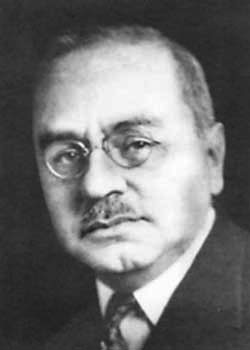
It’s too bad, but IMHO we don’t ever seem to take enough time to celebrate the ideas and deeds of Alfred Adler. If, by chance, you’re not sure who the heck I’m talking about, then I’ll take that as validation of my point. Who was Alfred Adler? . . . sadly, that’s a question many people can’t answer.

Today, April 4, 2019, I’m doing a webinar on the similarities and distinctions between Alfred Adler’s “Individual Psychology” (aka Adlerian therapy) and cognitive-behavioral therapy. Most people who study these things, including Albert Ellis, recognize that Adler’s work was ahead of his time and much of what he wrote about can be considered foundational to cognitive therapy. Staunch Adlerians sometimes put it more dramatically when they say, “In the beginning, there was Adler.”

Today’s webinar has inspired me to renew my efforts to spread the gospel of Alfred Adler. If you read this blog regularly, you know I’ve done this before. You can read some of my previous Adler posts by clicking here: https://johnsommersflanagan.com/tag/adler/

Today, I feel like I’m taking the lazy way out. But Adler would likely correct me. He didn’t much believe in the word lazy. Instead, Adler would reformulate lazy as discouraged, or more specifically, in this, and many cases (think of your children, perhaps), what appears to be laziness is a function of having goals and aspirations that are beyond one’s reasonable skills and available time. I think that could be the case here. Although I’d like to shower you with lots of new and exciting Adlerian information, instead, I’m posting the first five pages of the Adlerian chapter of our Counseling and Psychotherapy theories textbook. Here it is . . . five pages of the start of a chapter that only begins to describe the life and work of the amazing Alfred Adler.

Chapter 3: Individual Psychology and Adlerian Therapy

We often wonder about Alfred Adler. Who was this man whose theories and approach predate and contribute substantially to ego psychology (Chapter 2), the cognitive therapies (Chapter 8), reality therapy (Chapter 9), feminist therapy (Chapter 10), and constructive perspectives (Chapter 11)? How did he develop—over 100 years ago—influential and diverse ideas that are foundational to so many different approaches to therapy, and so thoroughly infused into contemporary culture? His beliefs were so advanced that he seems an anomaly: He’s like a man from the future who landed in the middle of Freud’s inner circle in Vienna.

Introduction

Despite the ubiquity of Adler’s ideas, many contemporary mental health professionals don’t recognize, acknowledge, or appreciate his contributions to modern counseling and psychotherapy (Carlson & Englar-Carlson, 2017). Perhaps this is because Adler provided services for working class people, rather than the wealthy elite; or because he was an early feminist; or because his common sense ideas were less “sexy” than Freud’s.

What is Individual Psychology? (. . . and what is Adlerian Therapy?)

Individual psychology was the term Adler used to describe the psychotherapy approach he founded. Watts and Eckstein (2009) recounted Adler’s rationale for choosing the name Individual Psychology: “Adler chose the name individual psychology (from the Latin, individuum, meaning indivisible) for his theoretical approach because he eschewed reductionism” (p. 281).

Most people know individual psychology as Adlerian therapy, the contemporary applied term. Adlerian therapy is described as “a psychoeducational, present/future-oriented, and brief approach” (R. E. Watts & Pietrzak, 2000, p. 22). Similar to psychoanalytic psychotherapy, Adlerian therapy is also insight-oriented. However, therapists can use direct educational strategies to enhance client awareness.

Adler was a contemporary—not a disciple—of Freud. During their time, Adler’s ideas were more popular than Freud’s. Adler’s first psychology book, Understanding Human Nature, sold over 100,000 copies in six months; in comparison, Freud’s Interpretation of Dreams sold only 17,000 copies over 10 years (Carlson & Englar-Carlson, 2017). Jon Carlson (2015) referred to Adler as “the originator of positive psychology” (pp. 23-24).

Adler wove cognition into psychotherapy long before Albert Ellis and Aaron Beck officially launched cognitive therapy in the 1950s and 1960s. In the following quotation, Adler (1964; originally published in 1933) easily could be speaking about a cognitive rationale for a computerized virtual reality approach to treating fears and phobias (now growing in popularity in the 21st century):

I am convinced that a person’s behavior springs from his [or her] idea.… As a matter of fact, it has the same effect on one whether a poisonous snake is actually approaching my foot or whether I merely believe it is a poisonous snake. (pp. 19–20)

In his historical overview of the talking cure, Bankart (1997) claimed, “Adler’s influence on the developing fields of psychology and social work was incalculable” (p. 146). This chapter is an exploration of Alfred Adler’s individual psychology and his vast influence on modern counseling and psychotherapy.

Alfred Adler

Alfred Adler (1870-1937) was the second of six children born to a Jewish family outside Vienna. His older brother was brilliant, outgoing, handsome, and also happened to be named Sigmund. In contrast, Alfred was a sickly child. He suffered from rickets, was twice run over in the street, and experienced a spasm of the glottis. When he was 3 years old, his younger brother died in bed next to him (Mosak, 1972). At age 4, he came down with pneumonia. Later Adler recalled the physician telling his father, “Your boy is lost” (Orgler, 1963, p. 16). Another of Adler’s earliest memories has a sickly, dependent theme:

One of my earliest recollections is of sitting on a bench bandaged up on account of rickets, with my healthy, elder brother sitting opposite me. He could run, jump, and move about quite effortlessly, while for me movement of any sort was a strain and an effort. Everyone went to great pains to help me, and my mother and father did all that was in their power to do. At the time of this recollection, I must have been about two years old. (Bottome, 1939, p. 30)

In contrast to Freud’s childhood experience of being his mother’s favorite, Adler was more encouraged by his father. Despite his son’s clumsy, uncoordinated, and sickly condition, Adler’s father Leopold, a Hungarian Jew, firmly believed in his son’s innate worth. When young Alfred was required to repeat a grade at the same middle school Freud had attended 14 years earlier, Leopold was his strongest supporter. Mosak and Maniacci (1999) articulate Adler’s response to his father’s encouragement:

His mathematics teacher recommended to his father that Adler leave school and apprentice himself as a shoe-maker. Adler’s father objected, and Adler embarked upon bettering his academic skills. Within a relatively short time, he became the best math student in the class. (p. 2)

Adler’s love and aptitude for learning continued to grow; he studied medicine at the University of Vienna. After obtaining his medical degree in ophthalmology in 1895, he met and fell in love with Raissa Timofeyewna Epstein, and married her in 1897. She had the unusual distinction of being an early socialist and feminist. She was good friends with Leon and Natalia Trotsky and she maintained her political interests and activities throughout their marriage (Hoffman, 1994).

Historical Context

Freud and Adler met in 1902. According to Mosak and Maniacci (1999), Adler published a strong defense of Freud’s Interpretation of Dreams, and consequently Freud invited Adler over “on a Wednesday evening” for a discussion of psychological issues. “The Wednesday Night Meetings, as they became known, led to the development of the Psychoanalytic Society” (p. 3).

Adler was his own man with his own ideas before he met Freud. Prior to their meeting he’d published his first book, Healthbook for the Tailor’s Trade (Adler, 1898). In contrast to Freud, much of Adler’s medical practice was with the working poor. Early in his career, he worked extensively with tailors and circus performers.

In February 1911, Adler did the unthinkable (Bankart, 1997). As president of Vienna’s Psychoanalytic Society, he read a highly controversial paper, “The Masculine Protest,” at the group’s monthly meeting. It was at odds with Freudian theory. Instead of focusing on biological and psychological factors and their influence on excessively masculine behaviors in males and females, Adler emphasized culture and socialization (Carlson & Englar-Carlson, 2017). He claimed that women occupied a less privileged social and political position because of social coercion, not physical inferiority. Further, he noted that some women who reacted to this cultural situation by choosing to dress and act like men were suffering, not from penis envy, but from a social-psychological condition he referred to as the masculine protest. The masculine protest involved overvaluing masculinity to the point where it drove men and boys to give up and become passive or to engage in excessive aggressive behavior. In extreme cases, males who suffered from the masculine protest began dressing and acting like girls or women.

The Vienna Psychoanalytic Society members’ response to Adler was dramatic. Bankart (1997) described the scene:

After Adler’s address, the members of the society were in an uproar. There were pointed heckling and shouted abuse. Some were even threatening to come to blows. And then, almost majestically, Freud rose from his seat. He surveyed the room with his penetrating eyes. He told them there was no reason to brawl in the streets like uncivilized hooligans. The choice was simple. Either he or Dr. Adler would remain to guide the future of psychoanalysis. The choice was the members’ to make. He trusted them to do the right thing. (p. 130)

Freud likely anticipated the outcome. The group voted for Freud to lead them. Adler left the building quietly, joined by the Society’s vice president, William Stekel, and five other members. They moved their meeting to a local café and established the Society for Free Psychoanalytic Research. The Society soon changed its name to the Society for Individual Psychology. This group believed that social, familial, and cultural forces are dominant in shaping human behavior. Bankart (1997) summarized their perspective: “Their response to human problems was characteristically ethical and practical—an orientation that stood in dramatic contrast to the biological and theoretical focus of psychoanalysis” (p. 130).

Adler’s break from Freud gives an initial glimpse into his theoretical approach. Adler identified with common people. He was a feminist. These leanings reflect the influences of his upbringing and marriage. They reveal his compassion for the sick, oppressed, and downtrodden. Before examining Adlerian theoretical principles, let’s note what he had to say about gender politics well over 90 years ago:

All our institutions, our traditional attitudes, our laws, our morals, our customs, give evidence of the fact that they are determined and maintained by privileged males for the glory of male domination. (Adler, 1927, p. 123)

Raissa Epstein may have had a few discussions with her husband, exerting substantial influence on his thinking (Santiago-Valles, 2009).

Reflections

What are your reactions to Adler as a feminist? Do you suppose he became more of a feminist because he married one? Or did he marry a feminist because he already was one?

Theoretical Principles

Adler and his followers have written extensively about the IP’s theoretical principles. Much of what follows is from Adler (1958), Ansbacher and Ansbacher (1956), Mosak and Maniacci (1999), Carlson, Watts, and Maniacci (2006), Sweeney (2009), and Carlson & Englar-Carlson, 2017).

People are Whole and Purposeful

Adler emphasized holism because he believed it was impossible “. . . to understand an individual in parts” (Carlson & Johnson, 2016, p. 225). Instead of dichotomies, he emphasized unity of thinking, feeling, acting, attitudes, values, the conscious mind, the unconscious mind, and all aspects of human functioning. This holistic approach was in direct contrast to Freud’s id, ego, and superego. The idea of an id entity or instinct separately pushing for gratification from inside a person was incompatible with Adler’s holism.

A central proposition of individual psychology is that humans are purposeful or goal-oriented (Sweeney, 2009). We don’t passively act on biological traits or react to the external environment; instead, we behave with purpose. Beyond nurture or nature, there’s another force that influences and directs human behavior; Adler (1935) referred to this as “attitude toward life” (p. 5). Attitude toward life is composed of a delightful combination of human choice and purpose.

Everyday behavior is purposeful. When Adlerian therapists notice maladaptive behavior patterns, they focus on behavioral goals. They don’t aggressively interrogate clients, asking, “Why did you do that?”—but are curious about the behavior’s purpose. Mosak and Maniacci (1999) articulated how Adler’s holism combines with purposeful behavior:

For Adler, the question was neither “How does mind affect body?” nor “How does body affect mind?” but rather “How does the individual use body and mind in the pursuit of goals?” (pp. 73–74).

Rudolph Dreikurs (1948) applied the concept of purposeful striving to children when he identified “the four goals of misbehavior” (see Putting it in Practice 3.1).

Putting it in Practice 3.1

Why Children Misbehave

Adler’s followers applied his principles to everyday situations. Rudolph Dreikurs posited that children are motivated to grow and develop. They’re naturally oriented toward feeling useful and a sense of belonging. However, when children don’t feel useful and don’t feel they belong—less positive goals take over. In his book The Challenge of Parenthood, Dreikurs (1948) identified the four main psychological goals of children’s misbehavior:

  1. To get attention.
  2. To get power or control.
  3. To get revenge.
  4. To display inadequacy.

Children’s behavior isn’t random. Children want what they want. When we discuss this concept in parenting classes, parents respond with nods of insight. Suddenly they understand that their children have goals toward which they’re striving. When children misbehave in pursuit of psychological goals, parents and caregivers often have emotional reactions.

The boy who’s “bouncing off the walls” is truly experiencing, from his perspective, an attention deficit. Perhaps by running around the house at full speed he’ll get the attention he craves. At least, doing so has worked in the past. His caregiver feels annoyed and gives him attention for misbehavior.

The girl who refuses to get out of bed for school in the morning may be striving for power. She feels bossed around or like she doesn’t belong; her best alternative is to grab power whenever she can. In response, her parents might feel angry and activated—as if they’re in a power struggle with someone who’s not pulling punches.

The boy who slaps his little sister may be seeking revenge. Everybody talks about how cute his sister is, and he’s sick of being ignored, so he takes matters into his own hands. His parents feel scared and threatened; they don’t know if their baby girl is safe.

There’s also the child who has given up. Maybe she wanted attention before, or revenge, or power, but no longer. Now she’s displaying her inadequacy. This isn’t because she IS inadequate, but because she doesn’t feel able to face the Adlerian tasks of life (discussed later). This child is acting out learned helplessness (Seligman, 1975). Her parent or caregiver probably feels anxiety and despair as well. Or, as is often the case, they may pamper her, reinforcing her behavior patterns and self-image of inadequacy and dependence.

Dreikurs’s goals of misbehavior are psychological. Children who misbehave may also be acting on biological needs. Therefore, the first thing for parents to check is whether their child is hungry, tired, sick, or in physical discomfort. After checking these essentials, parents should move on to evaluating the psychological purpose of their child’s behavior.

Social Interest or Gemeinschaftsgefühl

Adler believed that establishing and maintaining healthy social relationships was an ultimate therapy goal. He developed this belief after working with shell-shocked soldiers from World War I (K. Adler, 1994; Carlson & Englar-Carlson, 2017). He became convinced that individualism and feelings of inferiority were destructive; in contrast, he viewed social interest and community feeling as constructive. Another way of thinking about this theoretical principle is to consider humans as naturally interdependent. Lydia Sicher (1991) emphasized this in the title of her classic paper “A Declaration of Interdependence.” When we accept interdependence and develop empathy and concern for others, social relationships prosper.

Adler used the German word, Gemeinschaftsgefühl, to describe what has been translated to mean social interest or community feeling. Carlson and Englar-Carlson (2017) elaborated on the meaning of this uniquely Adlerian concept.

Gemein is “a community of equals,” shafts means “to create or maintain,” and Gefühl is “social feeling.” Taken together, Gemeinschaftsgefühl means a community of equals creating and maintaining social feelings and interests; that is, people working together as equals to better themselves as individuals and as a community” (p. 43, italics in original)

Adlerians encourage clients to behave with social interest (Overholser, 2010). Watts (2000) emphasized that, “The ultimate goal for psychotherapy is the development or enhancement of the client’s social interest” (p. 323). Research has shown that social interest is positively related to spirituality, positive psychology, and health (G. K. Leak, 2006; G. K. Leak & K. C. Leak, 2006; Nikelly, 2005), and inversely related to anger, irritability, depression, and anxiety (Newbauer & Stone, 2010). Some writers consider the positive aspects of religion to be a manifestation of social interest. This was Adler’s position as well (Manaster & Corsini, 1982; Watts, 2000).

Various writers, and Adler himself, noted that Gemeinschaftsgefühl essentially boils down to the edict “love thy neighbor” (Alizadeh, 2012; Watts, 2000). Carlson and Englar-Carlson described it as being the “same as the goal of all true religions” (p. 44). Although Adler wasn’t especially religious, he had no difficulty embracing the concept of love thy neighbor as a social ideal. In contrast, Freud (1930/1961) concluded, “My love is something valuable to me which I ought not to throw away without reflection” (p. 56). This is one of several distinctions between Adler and Freud; for Adler, love is valuable, powerful, and abundant. It should be freely given; for Freud, love is also valuable, but should be conserved.

Striving for Superiority

Adler believed that the basic human motive is the striving for superiority. However, like Gemeinschaftsgefühl, this concept requires a detailed explanation.

The term superiority is an oversimplification. Heinz Ansbacher provided a more comprehensive description of Adler’s striving for superiority in a published interview:

The basic striving, according to Adler, is the striving for Vollkommenheit. The translation of Vollkommenheit is completeness, but it can also be translated as excellence. In English, only the second translation was considered; it was only the striving for excellence. The delimitation of the striving for excellence is the striving for superiority.

Basically, it all comes from the striving for completeness, and there he said that it is all a part of life in general, and that is very true. Even a flower or anything that grows, any form of life, strives to reach its completeness. And perfection is not right, because the being does not strive—one cannot say to be perfect—what is a perfect being? It is striving for completeness and that is very basic and very true. (Dubelle, 1997, p. 6)

Striving for individual superiority can take on a Western, individualistic quality. This wasn’t Adler’s perspective. He viewed excessive striving for self-interest as unhealthy; Adler once claimed he could simplify his entire theory by noting that all neurosis was linked to vanity. Striving for self-interest translates into striving for superiority rather than for social interest (Watts & Eckstein, 2009).

When it comes to basic human nature and potential, Adlerian theory is like Switzerland: Adler was neutral. He didn’t believe in the innate goodness or destructiveness of humans. He believed we are what we make ourselves; we have within us the potential for good and evil.

Striving for superiority is an Adlerian form of self-actualization. More concretely, it occurs when individuals strive for a perceived “plus” in themselves and their lives. Mosak and Maniacci (1999) applied this concept to a clinical situation:

How can self-mutilation move someone toward a plus situation? Once again, that may be a “real” minus, especially in the short-term situation. Long-term, however, that person may receive attention, others may “walk on eggshells” when near that person (so as to not “upset” him or her), and he or she may gain some sense of subjective relief from the act, including a sense of being able to tolerate pain. (p. 23)

Adler observed that people often compensate for their real or perceived inadequacies. Individual inadequacies can be in any domain (e.g., physical, psychological, social). Adler may have believed in compensation partly because he experienced it himself, while growing up. Being inadequate or deficient is motivating. “The fundamental law of life is to overcome one’s deficiencies” (Ansbacher & Ansbacher, 1956, p. 48). Compensation is the effort to improve oneself in areas perceived as weak. The existential philosopher Friedrich Nietzsche expressed the same sentiment, “What does not kill me makes me stronger.”

In an ideal situation, individuals strive to (a) overcome their deficiencies, (b) with an attitude of social interest, and (c) to complete or perfect themselves. Watts (2012) has argued that the Adlerian social interest and striving for superiority are foundational to positive psychology—despite the fact that Adler’s work remains largely unacknowledged within the positive psychology discipline.

 

Breathing New Life into Your Dead, White Counseling and Psychotherapy Theories Course

IMG-4449

Artwork by Rita Sommers-Flanagan**

On April 18 at 1:00p.m. EST, I’ll be doing a Wiley Webinar. This webinar is free, and especially geared toward academics who want to expand their repertoire for teaching counseling and psychotherapy theories. Because this webinar is sponsored by my publisher, John Wiley & Sons, there will be some minor marketing of my textbook, Counseling and Psychotherapy Theories in Context and Practice (3rd ed.). However, you can attend this webinar regardless of the textbook you use. My goal is to help open all of us up to how we can integrate new ideas into existing “older” theoretical perspectives.

Here’s the link to register: https://www.wileyplus.com/wiley-webinar-series/#john-sommers-flanagan

And here’s the official blurb for the webinar:

Teaching traditional counseling and psychotherapy theories courses can feel dull and boring. In this webinar session, John Sommers-Flanagan will share pedagogical strategies for integrating culture into theory, and engaging students with here-now activities that bring the dusty old theories to life. This webinar will include specific recommendations for how to integrate culture and feminist ideas into traditional theories. Learning activities will be demonstrated, including: (a) early intercultural memories; (b) sex, feminism, and psychoanalytic defense mechanisms; (c) empowered narrative storytelling; and (d) spiritual and behavioral forms of relaxation. Handouts for each activity will be available later on this blogsite.

Beyond this short description, I also want to acknowledge the obvious. As a living White person who writes about, teaches, and practices theory-based counseling and psychotherapy, I know that my ability to claim expertise in making cultural adaptations is limited. I don’t want to be the expert on this (or most things). The purpose of this webinar is NOT to “tell” anyone exactly what diversity modifications “should” be made when teaching counseling and psychotherapy theories. Instead, my purpose is to talk about and illustrate ways in which new diversity-sensitive ideas might be creatively integrated into old theoretical perspectives. From there . . . the application of these and your own ideas about how to breathe new life into old theories is up to you and your unique personal and professional worldview.

Given this big preceding caveat, the webinar’s learner objectives are to help participants:

  • Identify compatibilities of culture, spirituality, and feminist thought with traditional counseling and psychotherapy theories
  • Implement an intercultural memory activity with large or small groups
  • Implement and discuss diverse sexualities along with psychoanalytic defense mechanisms
  • Implement a multicultural empowered storytelling strategy
  • Implement and debrief spiritual and behavioral integrations to achieve relaxation

Soon (right around 4/18/19) I’ll be posting more information related to this webinar. In the meantime, let me know your thoughts on this topic. As always, I value alternative perspectives and enjoy hearing your reactions to the posts on this blog.

Transforming Therapeutic Relationships into Evidence-Based Practice

Here are the ppts for today’s Webinar: v2 TherapySites 2019 Final
The handout linked below is an in-depth supplement to a webinar I’m providing for TherapySites.com on March 13, 2019. Although it’s designed to go with the webinar, it’s also a standalone resource for learning more about how to integrate evidence-based relationship factors into counseling and psychotherapy practice.

Webinar Transforming Therapeutic Relationships into Evidence-Based Counseling