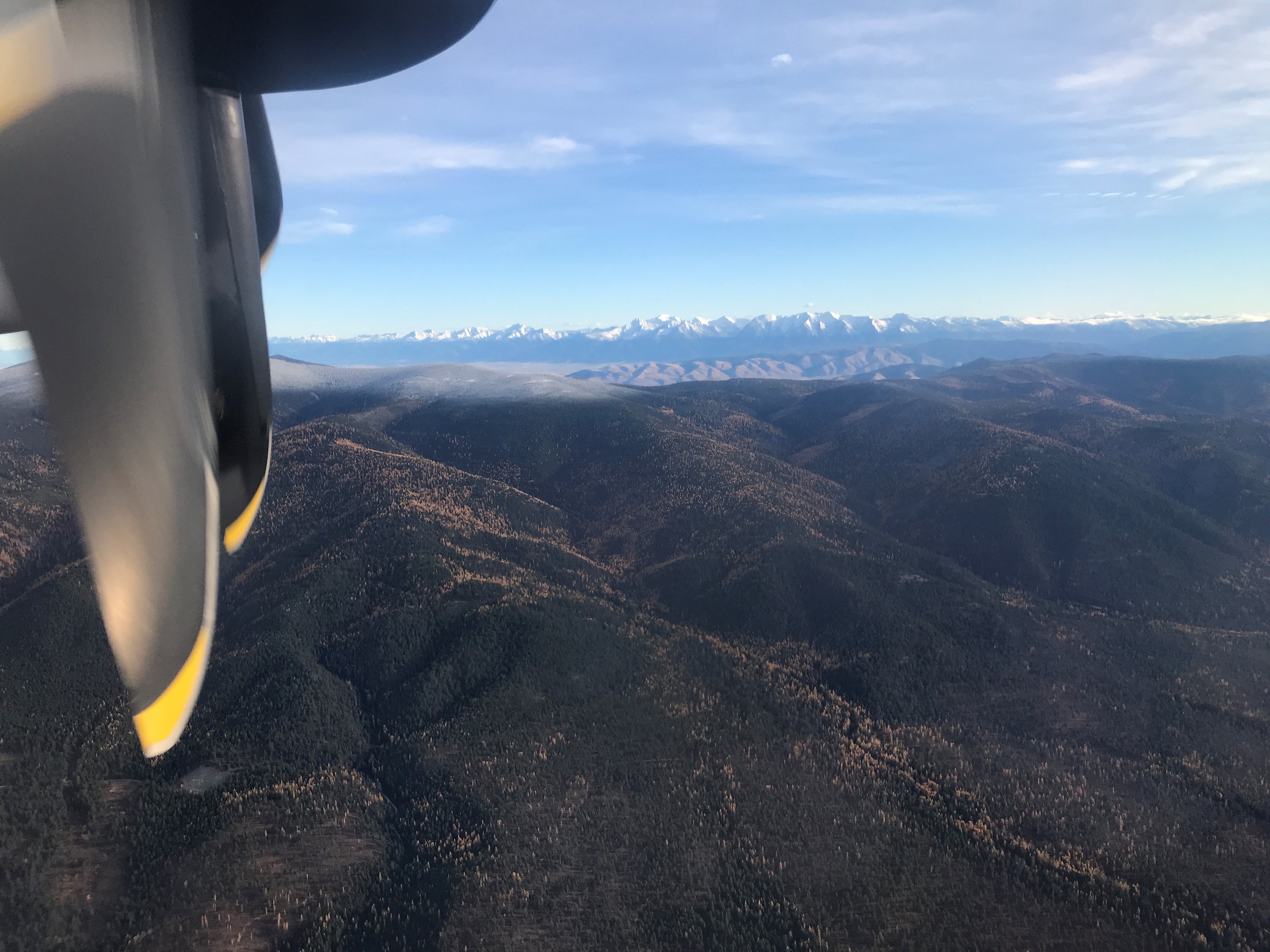
Flying is more or less privilege. Think about it; we’re looking down on everyone. Maybe that’s why I still feel a charge of excitement when I get to fly somewhere. . . especially on my favorite airline . . . which will remain unnamed in this story.
Flying privilege moves past the abstract as soon as we begin forming lines, because there’s not just one line. I’m a TSA pre-check person, a recent holiday gift I value. Earlier today I strolled past lined-up throngs in Portland, shrugging off minor traces of guilt. All those long faces staring into their cell phones or glaring at me. I don’t have a solution to the security checkpoint lines; I just don’t care to populate them.
Other than my holier than thou security line experience, on this particular trip my favorite airline treated me like a bottom-feeder. I would have gladly eaten the cake left by the anonymous French princess or flight attendant or whomever it was who said the poor could just eat cake, but then I recalled my recently discovered gluten sensitivity and demurred, “Um, no thanks, I think I’ll pass.”
Hours earlier, while checking in, my computer informed me I had no seat on my outgoing Seattle flight. No seat = bad omen. The airline also wouldn’t print me a boarding pass for my second flight. No boarding pass = Not good. I found an email offering me $250 to take a “later” flight. Briefly, I weighed my options. Let’s see, will I give up or shorten my planned trip to see my 95-year-old father who’s on hospice? The question was about cash vs. connection. You know the answer. We all know the answer.
Without a seat, and missing a boarding pass, I approached the gate. I found a very pleasant woman. She explained. “You’re on the bottom of the list. I think we’ll get you on, but I can’t give you a seat and I can’t print your second boarding pass until we get people to be bumped and agree to take a later flight.”
“Bumped.” What a fun word. I think what she really meant was “left behind.”
After three straight 12-hour University of Montana work days, I was too tired to be expressive), and so I blandly asked, “How did I end up on the bottom?” She started to say it was my “Saver” seat status, but looked at her computer screen, hesitated, and then said “maybe you were the last person to check in,” before completely clarifying her response with a weak smile and the words, “I don’t know.”
Feeling the “bump” closing in on me, I asked, “What’s the later flight?” Turns out, there was no later flight. The very pleasant woman mumbled something about “tomorrow,” then detoured to “the closest alternative airport is Spokane,” and then stopped talking midsentence.
Half livid and half hopeless, I thanked her for the information and ambled off to a part of the airport where I could send whining texts to family and friends in relative peace. Three years ago, my favorite airline had twice upgraded me to first class. Oh, how the mighty had fallen.
I also purchased some consolation treats, which is another tool in the toolbox of being an unhappy, but still relatively privileged person.
At the penultimate moment, I escaped the bump, and was assigned a back-row seat. Oddly, the flight attendant, looking distressed, noted that my assigned seat was taken. Apologizing profusely, she took me up to a palpably better seat, and then came by and whispered, “I’ll get you compensation.” I ended up with a $25 credit in my airline account . . . for no good reason. I’ll let you guess why I got the compensation.
The worst (maybe) was yet to come. Rather than having a seat I originally selected, the airline did what airlines sometimes do: They put me in a middle seat, way in the back of the next flight (row 36). You would have thought I bought a cheap ticket. I didn’t. The whole idea that airlines can take away your personally selected assigned seat and give it to someone else just seems wrong.
As I end this melancholy reflection, I’m aware this sounds like a pathetic, long, drawn-out whine. Do I feel sorry for myself? Sure. But that’s not the point. I feel sorry for everyone. Even though I enjoy being in the short, privileged line (and having an assigned seat on the plane, or at the metaphorical table), there’s still a panoply of things for which to feel EVEN MORE sorry. Airlines have continually faced financial conundrums, and global pandemics don’t make that easier. All the flight personnel were unyieldingly nice and kind. I could bitch and moan and throw money around to get me mega-privilege (first class, anyone?), but someone will always be on “the bottom of the list,” and, no doubt, they have just as good a good reason as I do for wanting a good seat and for hoping to get to their destination on time.
Now I’m just back from visiting Max, my father, an immense and positive influence in my life and on the world . . . which is just one more reason why, even when threatened with a bump and stuck in a middle seat with two big people on each side, not only am I one of the lucky ones . . . I’m also FLYING.





 John Sommers-Flanagan