
Episode 6 of the Happy Habits for Hard Times series was posted yesterday on the College of Education of the University of Montana’s website.
But it’s probably still relevant today.
The written portion of episode 6 is below.
You can get to the video via this link: https://coehs.umt.edu/happy_habits_series_2020/hhs_module_six.php
*************************
You are what you focus on. When you remember what you’re grateful for and notice what inspires you, your day will be much better.
Humans tend to repeat behaviors that work out well for them and tend to stop doing things that don’t turn out well. Usually, when you get rewarded for something, you keep doing it. Of course, it’s more complicated than that, but today’s topic is all about introducing two new behaviors that we hope you’ll find rewarding.
As you know from previous episodes, there are behaviors (strategies) you can engage in that are likely to boost your mood. In this episode of Happy Habits, we elaborate on two strategies, but we’re confident you can think of more on your own. We are also aware that for some strange reason, even though these behaviors are rewarding, it’s still hard to get started doing them. That’s a topic for another day. For now, trust us and try these. There’s a reasonable chance that when you do them, you’ll feel better, and you’ll want to keep doing them.
Happiness Habit: Expressing Gratitude
Although it’s true that nearly everyone experiences gratitude, most of us don’t intentionally create time and space to express it. Expressing gratitude is a smart thing to do. It reminds you that you have positive things you are grateful for, it feels good to say “Thanks” and often, you make someone else feel good. Expressing gratitude makes for a nice, positive loop.
Along with the COVID-19 pandemic, it can be tempting to think we have little to be grateful for. While this may be true, it won’t help to dwell on the negative and feel sorry for yourself. Someone once said, “Oh, you think you have nothing to be thankful for? Take your pulse.” Now is a good time to use your brain to force yourself to think and behave with positivity.
Try the following steps:
- Identify someone toward whom you feel or have felt appreciation and gratitude. You may have plenty of options. It’s helpful to choose someone toward whom you believe you haven’t yet expressed enough gratitude.
- Write a gratitude note to that person. Include in the note why you feel gratitude toward to the person. Include specifics as needed, as well as words that best express your sincere heartfelt feelings toward the person.
- Find a way to express your feelings directly to your gratitude target. You can read the note in person, over the phone, or send it in whatever way you find best.
Your plan is to express gratitude. That means you need to drop any expectations for how the recipient of your gratitude should or will respond. Don’t focus on their response, instead, focus on doing the best job you can expressing the gratitude that you sincerely feel.
If the person loves hearing about your gratitude, cool. If the person is uncomfortable, or not positive, or silent, that’s okay. Your goal should be within your control—meaning: all you can control is your end of the communication and not how the communication is received.
If you get inspired, feel free to repeat this gratitude experiment a second or third time. You may find that gratitude begets gratitude.
Happy Habit: Notice Something Inspiring
Inspiring things are always happening. People are caring for the infirmed and elderly, risking their own health. People are volunteering, donating, and doing what they can. The word inspire comes from the Middle English enspire, from the Old French inspirer, and from the Latin inspirare ‘breathe or blow into’ from in- ‘into’ + spirare ‘breathe.’ The word was originally related to a divine or supernatural being, in a sense, ‘impart a truth or idea to someone’.
You can go pretty much anywhere on the internet right now and find inspiring stories. But instead, if possible, we want you to go live, in real time. We want you to watch for and then closely observe something inspiring that’s happening in your daily life.
The inspiring action that you notice may be small or it may be big. It might give you a tiny lift, or be jaw-droppingly inspiring. The key is that it involves intentionally watching for that which will inspire. Keep all your sensory modalities open for inspiration. Then, if you’re up for it, jot down what inspired you, or share it with someone else. What was it like to intentionally pay attention to things that might inspire you? The key is attitude. For whatever time you devote to this exercise, you’re focused on noticing positive actions and events. You’ve given yourself a little respite from the bad news lurking in every corner right now.
Inspiration can lift you up. Try it out. See what it can do for you.


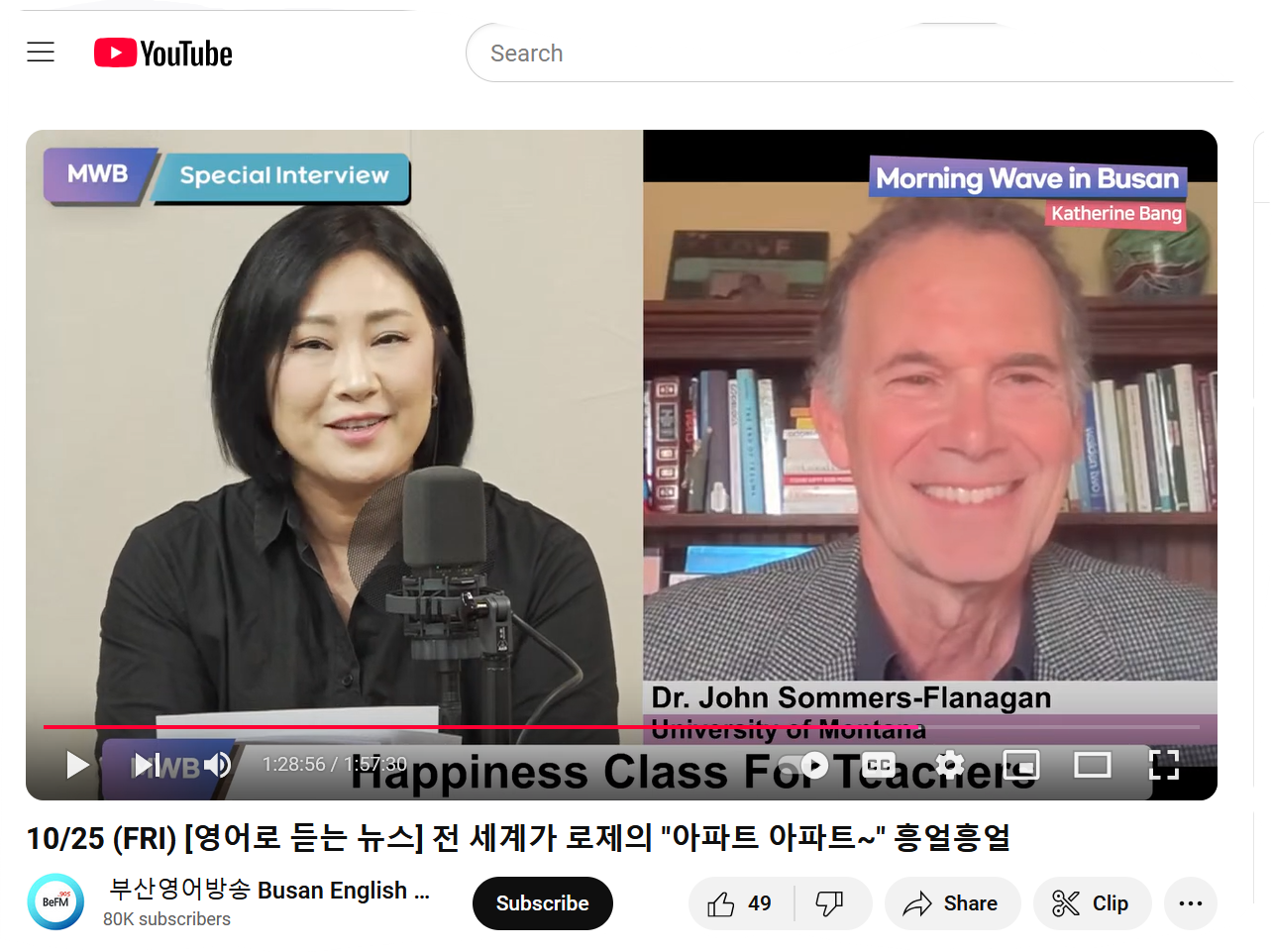
 John Sommers-Flanagan