
As many of you who know me in-person or through this blog, I’m quite capable of backward-savoring. . . which might be why I find this week’s Montana Happiness Challenge activity especially compelling.
Savoring is defined as a deliberate effort to extend and expand positive experiences. Or, as I learned from Dr. Heidi Zetzer of the University of California, Santa Barbara, “Savoring is amplifying and extending positive emotions, by lingering, reveling, relishing, or something even more active like taking a victory lap! I also stole this photo from one of Heidi’s happiness slides. Thanks Heidi!!

So, how can anyone—or me—do savoring backward? Enter another fun word: Rumination.
Dictionary.com defines rumination as (1) a deep or considered thought about something. Or, (2) the action of chewing the cud.
Essentially, to ruminate is to think hard. You may be ruminating right now, wondering, “What’s backward or bad about thinking hard.”
Well, in the domain of mental health, we focus on a particular type of rumination. For example, according to the American Psychiatric Association, “Rumination involves repetitive thinking or dwelling on negative feelings and distress and their causes and consequences.”
Thinking hard about negative things is precisely the opposite of savoring. And, despite my surface penchant for the positive, both my wife and I would attest to the fact that I’m also an excellent ruminator—as in the psychiatric sense, not so much in the cud-chewing sense.
As we like to say in academia, the research on savoring is damn good. Well, maybe we don’t really like to say “damn good,” but I’m sure someone has said that at some point in time, probably while savoring all the savoring research.
How good is the research, you ask?
People instructed to savor, depending on the type of savoring, generally report improved mood, increased satisfaction, greater hope for positive life events, increased planning, and a greater likelihood of repeating a previously savor-worthy experience. Just savor that for an extra moment or two. For something so simple, savoring research has damn good outcomes.
This week, our Montana Happiness Challenge savoring activity provides you with a menu of different savoring activities to try out. You can read the details on the Montana Happiness Project website: https://montanahappinessproject.com/savoring
The summary is: For this week the plan is for you to pick one savoring assignment from a menu of research-based savoring activities (below). Each of these activities has research support; doing any of them might make you feel significantly more happiness or less depression. Here are your options:
- Engage in mutual reminiscence. Mutual reminiscence happens when you get together with someone and intentionally pull up and talk about fun, positive, or meaningful memories. I was on the phone with a friend last week and did a bit of this and it was nice. Now I have memories of us remembering our shared positive memories.
- Make a list of positive memories. After making the list, transport yourself to reminisce on one of the memories. You can do this by yourself. Retrieve the memory. Play it back in your mind. Explore it. Feel it. Let your brain elaborate on the details.
- Celebrate good news longer than you would. This is easy. You need to track/observe for a positive message or news in your life that feels good. Then, let your mind linger on it. Notice how you feel. What parts of the news are especially meaningful and pleasant to you? Extend and celebrate the good news.
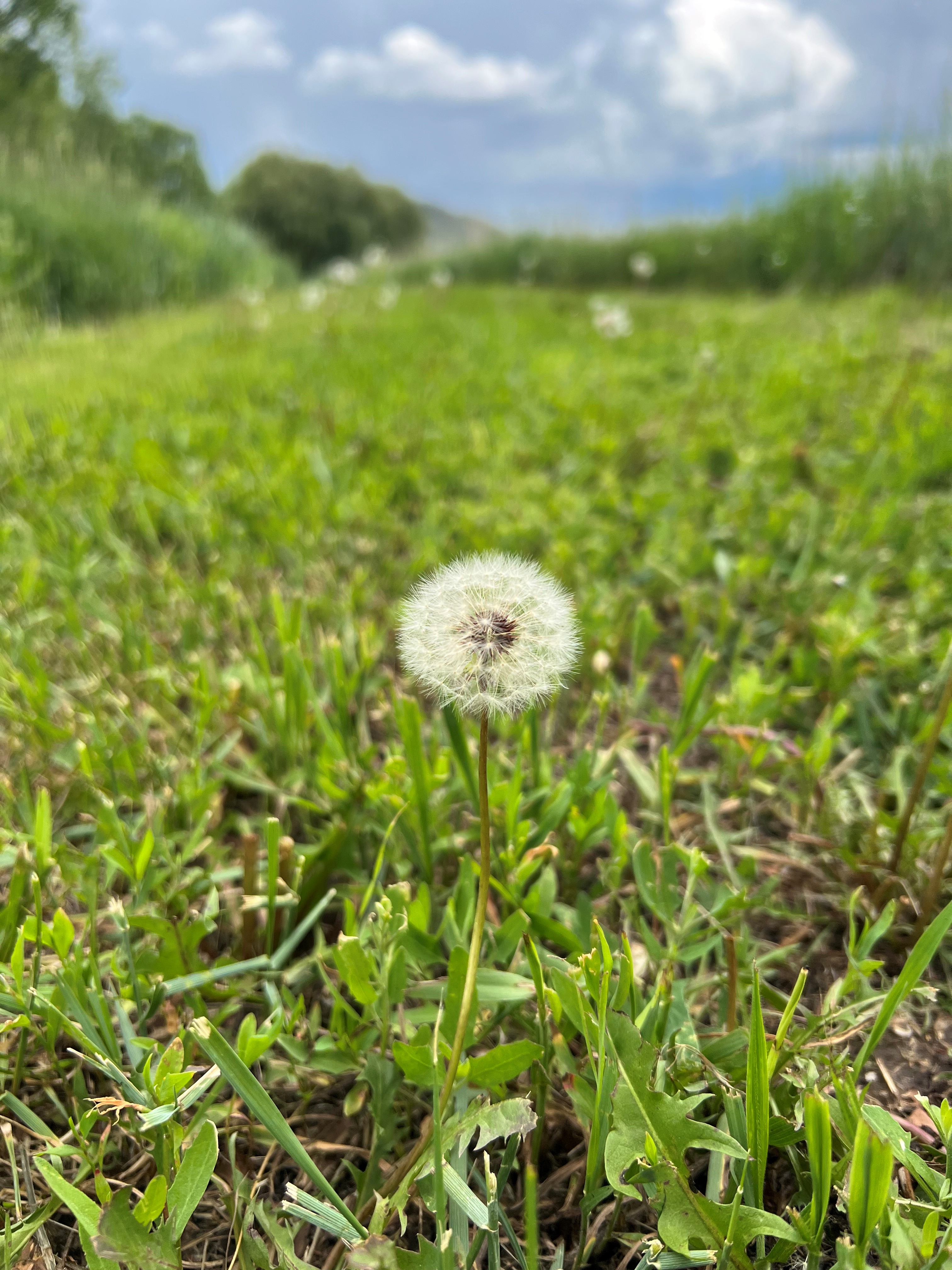
- Notice and observe beauty. This activity is mostly visual, but you can listen for beautiful sounds and smells too. Let yourself see color, patterns, and nuanced beauty in nature or in art. Linger with that visual and let its pleasant effects be in your eyes, brain, and body. Notice and feel those sensations and thoughts.
As usual, consider making your savoring public. . . and tag us, so we have more things to savor.







 John Sommers-Flanagan